What Is a Chemical Resistant Air Admittance Valve?
In environments like laboratories or industrial plants, plumbing isn't just about water flow; it's about safety. A standard AAV can become a critical point of failure when exposed to corrosive waste, compromising the entire system. This is where a chemical resistant air admittance valve becomes essential. It’s specifically engineered to maintain a perfect seal and proper venting function despite contact with aggressive substances. This article explains why these valves are a requirement for safety and regulatory compliance, protecting the building, the plumbing infrastructure, and the people who work there from hazardous conditions.
Key Takeaways
- Know when an upgrade is necessary: A chemical resistant AAV is essential for plumbing systems in labs, industrial plants, and other specialized facilities where drainage contains corrosive chemicals or involves high temperatures.
- Select a valve based on key specs: Choose the right valve by verifying its material compatibility and temperature resistance, matching its DFU rating to the fixture load, and confirming it meets ASSE 1050 and 1051 certifications.
- Install for performance and access: For a successful installation, position the valve at least four inches above the horizontal drain line and ensure it remains accessible for any future inspections or maintenance.
What Is a Chemical Resistant Air Admittance Valve?
If you’ve worked on plumbing in a lab, hospital, or industrial facility, you know that not all drainage systems are created equal. When a system handles more than just typical wastewater, you need components that can stand up to harsh conditions. That’s where a chemical resistant air admittance valve(AAV) comes in. It’s a specialized plumbing device designed to perform the essential functions of a standard AAV but in environments where corrosive chemicals and high temperatures are the norm.
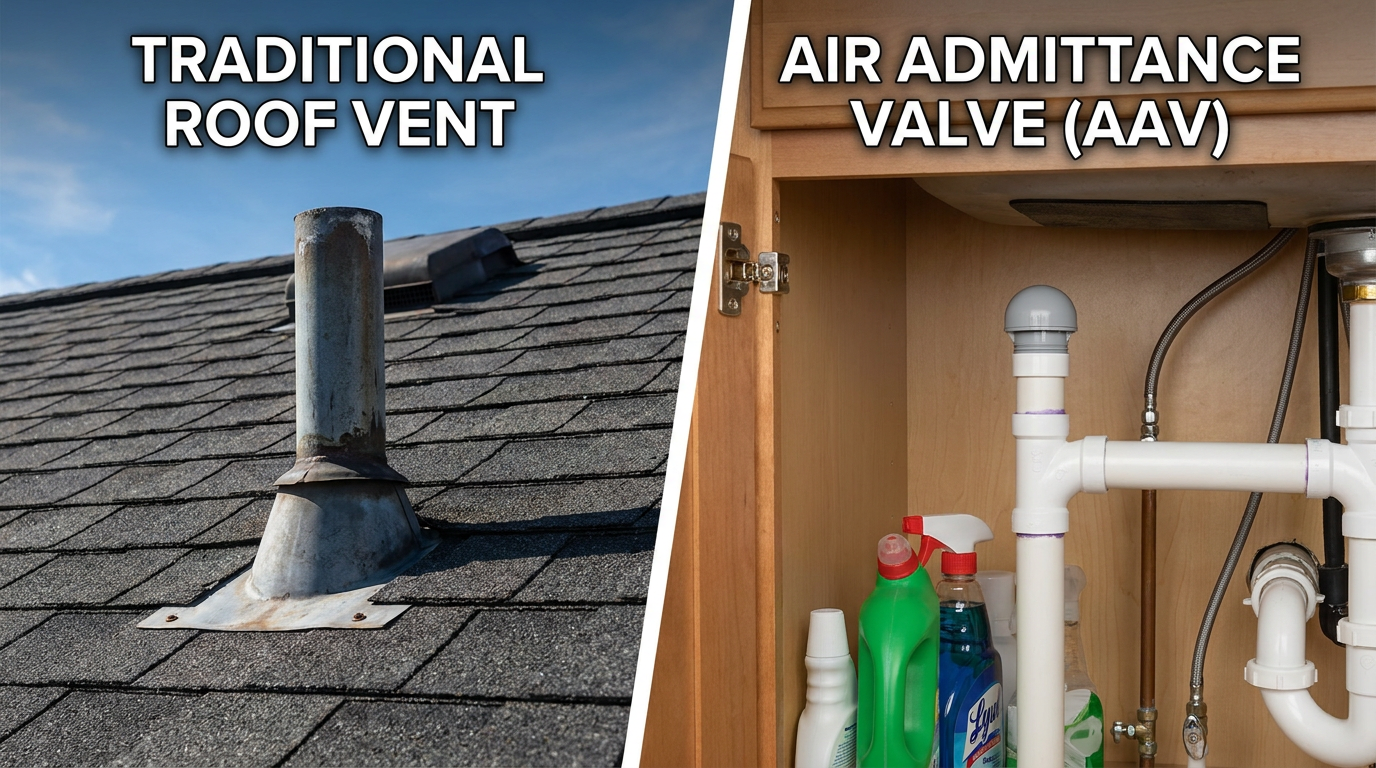
Think of it as the heavy-duty version of the AAVs you might install in a home. While a standard valve is perfect for a kitchen sink or bathroom, it wouldn't last long in a setting where chemical waste is regularly flushed. A chemical resistant AAV is built from specific materials that prevent it from degrading, ensuring the plumbing system remains properly vented and sealed against harmful gases. These valves are crucial for maintaining a safe and functional special waste system, providing a reliable alternative to running complex vent pipes through the roof in challenging commercial and industrial applications.
How Does It Work?
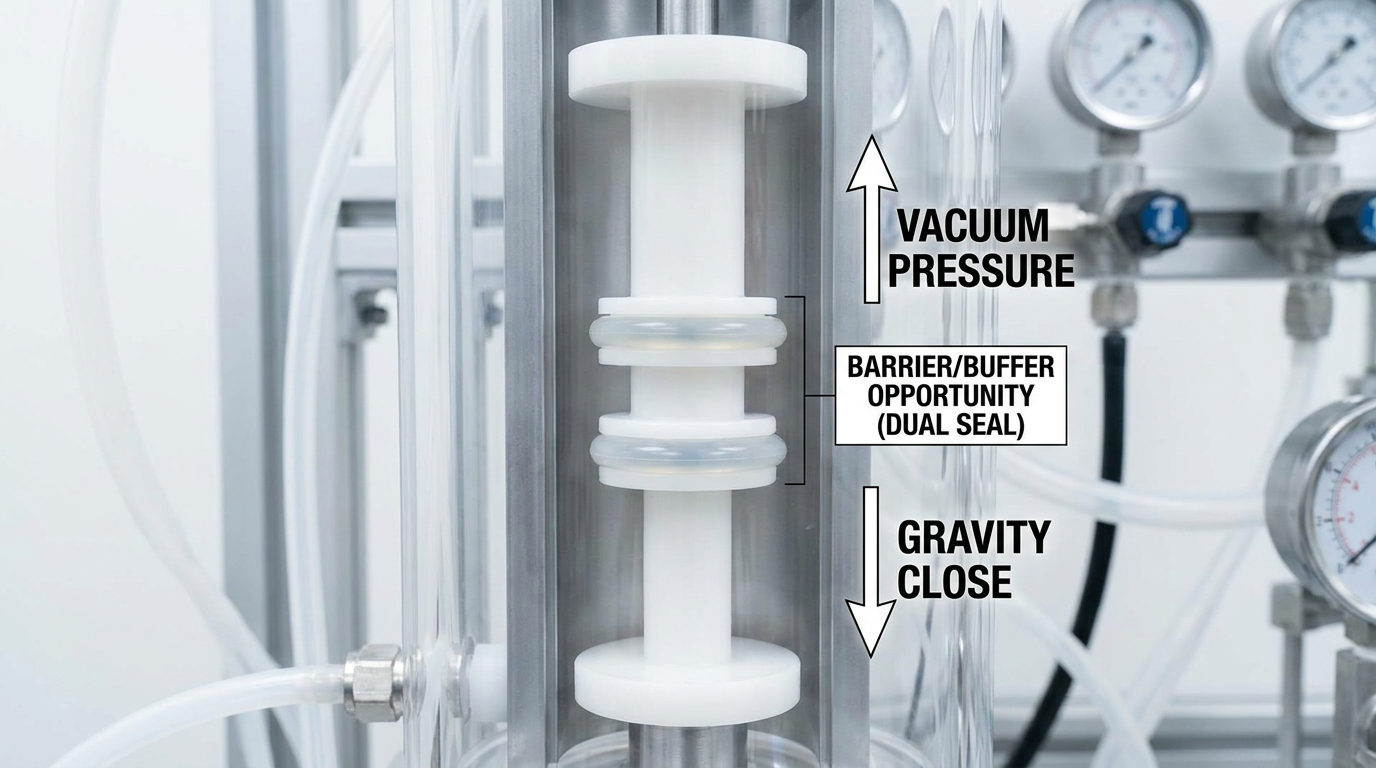
At its core, a chemical resistant AAV works just like any other air admittance valve. Its job is to protect the water seal in a fixture’s P-trap. When water rushes down the drain, it can create negative pressure, or a vacuum, in the pipe. This suction can pull the water right out of the trap, breaking the seal that blocks sewer gases from entering the room. An AAV solves this by automatically opening when it senses that negative pressure, allowing air to enter the pipe and equalize the pressure. Once the flow stops and the pressure is stable, the valve closes, forming an airtight seal. The key is that a chemical resistant model performs this critical function while being exposed to corrosive fumes and liquids without failing.
Standard vs. Chemical Resistant AAVs: What's the Difference?
The primary difference between a standard AAV and a chemical resistant one comes down to materials and durability. A standard AAV, typically found in residential settings, is usually made from plastics like PVC or ABS. These materials are perfectly fine for handling soap and water, but they can’t withstand the aggressive nature of chemical waste. Exposure to acids, solvents, or other corrosive substances would cause a standard valve to break down, leading to seal failure and dangerous leaks. A chemical resistant AAV is specifically engineered for these tough environments. It’s built to handle a wider range of chemicals and operate within higher temperature ranges, ensuring it functions correctly in a non-neutralized drainage system where waste isn’t diluted.
Why the Right Material (Like Polypropylene) Is Crucial
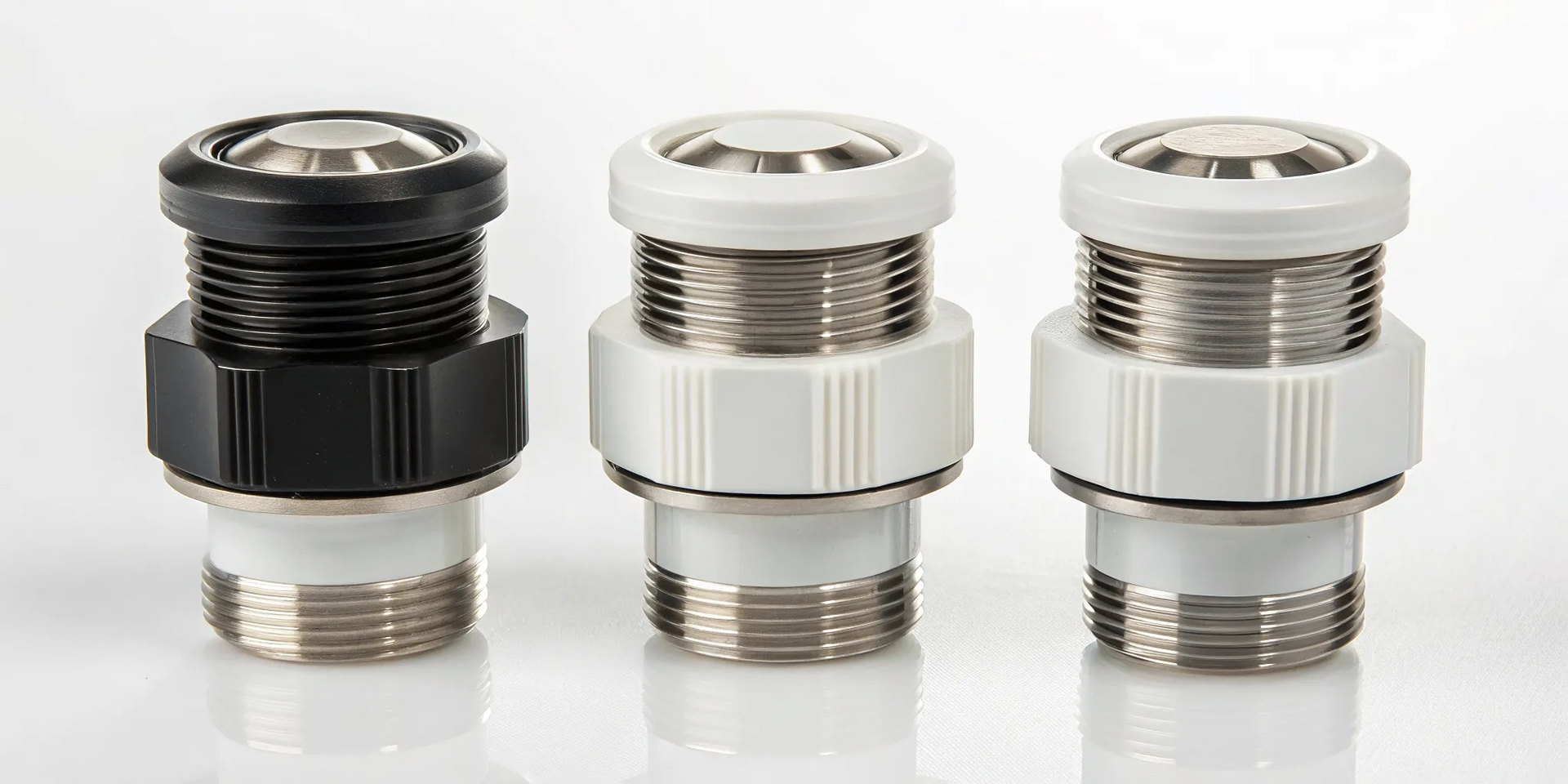
The secret to a chemical resistant AAV’s toughness lies in its construction material, which is most often polypropylene (PP). This specific type of plastic is chosen for its exceptional resilience. Polypropylene is a strong, flame-retardant material that is inherently resistant to a wide array of chemicals, including many acids, bases, and solvents. It can also handle high temperatures, often up to 212°F (100°C), which can occur during chemical reactions or when flushing systems with hot water. Using the right material is non-negotiable because it ensures the valve’s delicate internal sealing mechanism remains intact and effective. A valve made from the wrong material would quickly fail, compromising the entire plumbing system and creating a significant safety hazard. That’s why you’ll find polypropylene in the most reliable product ranges on the market.
When Do You Need a Chemical Resistant AAV?
While a standard air admittance valve is a perfect fit for most residential plumbing jobs, some projects demand a tougher solution. If you're working on a drainage system that handles more than typical household waste, it's time to think about a chemical-resistant AAV. These specialized valves are built to withstand the corrosive substances and harsh environments found in many commercial and industrial settings. Using the wrong valve in these situations can lead to premature failure, dangerous leaks, and exposure to harmful sewer gases.
So, how do you know when to make the upgrade? It comes down to what’s going down the drain. Any facility that regularly disposes of chemicals, solvents, or other aggressive materials needs a valve designed for the job. This isn't just about durability; it's about safety and compliance. A chemical-resistant AAV ensures your plumbing system remains sealed and functions properly, even under the most demanding conditions. From research labs to industrial plants, choosing the right AAV protects the plumbing infrastructure, the building, and the people inside it. Let's look at a few specific scenarios where a chemical-resistant valve isn't just a good idea, it's a necessity.
In Labs and Research Facilities
Laboratories are all about control, and that extends to their plumbing systems. These facilities use a wide range of chemicals, and their drainage systems must handle everything safely. An AAV's job is to allow air into the system to maintain proper pressure, and in a lab, it's absolutely critical to prevent sewer gases from entering a sterile or controlled environment. A standard valve made from PVC or ABS can degrade when exposed to the solvents and reagents used in research, leading to seal failure. A chemical-resistant AAV, often made from materials like polypropylene, ensures the valve continues to function correctly, protecting the integrity of experiments and the health of lab personnel.
For Pharmaceutical and Chemical Processing
In pharmaceutical manufacturing and chemical processing plants, the stakes are even higher. These facilities deal with concentrated chemicals and special waste that can be extremely corrosive. In these settings, a chemical-resistant AAV is often a requirement for safety and regulatory compliance. For example, specific valves are certified as a vent terminal for a non-neutralized special waste system to prevent the siphonage of fixture traps. Using a standard valve here would be a recipe for disaster, as it would quickly fail and compromise the entire waste system. A purpose-built, chemical-resistant valve ensures the system remains sealed, safe, and compliant with industry standards.
With Industrial Waste Systems
Factories, workshops, and other industrial sites create some of the toughest conditions for plumbing systems. The waste streams can contain a cocktail of solvents, acids, oils, and other aggressive chemicals that would make short work of a standard AAV. Because of this, industrial applications demand AAVs with superior durability and chemical resistance to handle the harsh operating environment. A heavy-duty, chemical-resistant valve is designed to withstand this constant exposure, preventing costly leaks, system downtime, and potential environmental hazards. It’s a smart investment that ensures the plumbing infrastructure can keep up with the demands of industrial production.
In Specialized Commercial Facilities
It’s not just large industrial plants that need chemical-resistant plumbing. Many smaller commercial facilities also handle materials that can damage a standard AAV. Think about beauty salons disposing of hair dyes and chemical treatments, print shops using solvents and inks, or photo developing labs working with processing chemicals. In any of these cases, special waste systems can now be vented with an AAV, provided it is certified for the chemicals involved. Choosing a chemical-resistant valve in these specialized commercial settings is a proactive measure that prevents future plumbing headaches, ensures compliance with local health codes, and protects the business owner's investment.
How to Choose the Best Chemical Resistant AAV
Picking the right chemical resistant AAV for a specialized project is more than just a quick trip to the supply house. It’s about making a smart, informed decision to ensure the plumbing system is safe, effective, and durable for the long haul. When you’re dealing with harsh chemicals, you can’t afford to guess. You need a valve that’s specifically built for the job. Getting it right means looking closely at a few key details: the materials it’s made from, its ability to handle high temperatures, its flow capacity, and whether it meets critical industry standards.
Thinking through these factors will help you select a valve that not only works on day one but also prevents costly failures down the road. A little due diligence upfront saves a lot of headaches later. By matching the valve’s specifications to the unique demands of the environment, you’re installing a solution that provides lasting protection and performance. You can explore a range of high-quality AAV products to see how different models are designed to meet these specific needs. Taking the time to choose correctly is what separates a quick fix from a professional, permanent installation.
Check for Material Compatibility and Certification
First things first, you have to confirm the valve’s material can stand up to the chemicals it will encounter. Not all plastics are created equal, and using the wrong one in a chemical waste system is a recipe for disaster. As plumbing codes state, chemical and special waste systems can be vented with an AAV, provided it is certified for resistance to the chemicals involved. This certification isn't just a suggestion; it's your assurance that the valve's seals and body won't degrade, crack, or fail when exposed to corrosive substances. Look for this specific certification on the product data sheet before making a purchase.
Verify Temperature and Flame Resistance Specs
In environments like laboratories or industrial facilities, you’re often dealing with more than just chemicals. Hot liquids and exothermic reactions can introduce high temperatures into the drainage system. That’s why checking the valve’s temperature and flame resistance is so important. For example, some specialized valves are made from flame-resistant polypropylene, a material that can handle reactions up to 212 degrees Fahrenheit. Always check the manufacturer’s specifications for the maximum continuous temperature the valve can withstand. This ensures the AAV will maintain its structural integrity and continue to function safely, even under demanding thermal conditions.
Match the Flow Capacity (DFU Rating) to Your Needs
Next, you need to make sure the valve can handle the drainage load of the fixtures it’s serving. This is measured in Drainage Fixture Units, or DFUs. Every plumbing fixture, from a lab sink to an industrial drain, has a DFU value that represents its potential load on the system. Your AAV must have a DFU rating that is equal to or greater than the total DFUs of the fixtures it is venting. Choosing an undersized valve can lead to slow drainage, gurgling sounds, and even trap siphoning, which defeats the purpose of installing an AAV in the first place.
Confirm It Meets ASSE 1050 and 1051 Standards
Finally, always confirm the AAV is compliant with key industry safety standards. For air admittance valves, the most important ones to look for are ASSE 1050 and ASSE 1051. These standards are your guarantee that the valve has undergone rigorous testing for performance, durability, and safety. Reputable manufacturers proudly display these certifications because they signify a commitment to quality. When you see that a valve meets these important safety standards, you can feel confident that you’re installing a reliable product that protects both the plumbing system and the property owner.
Installing Your Chemical Resistant AAV: The Essentials
Putting in a chemical resistant air admittance valve is a pretty straightforward job, but a few key details can make the difference between a system that works flawlessly and one that causes headaches later. When you’re dealing with specialized waste systems, getting the installation right on the first try is essential for safety and performance. It all comes down to four main things: getting the height and position just right, planning for future access, choosing the correct size for the job, and knowing which common mistakes to sidestep. Let’s walk through each one so your next installation is clean, compliant, and built to last. By focusing on these fundamentals, you ensure the valve does its job effectively, protecting the trap and preventing harmful gases from entering the space for years to come.
Get the Height and Positioning Right
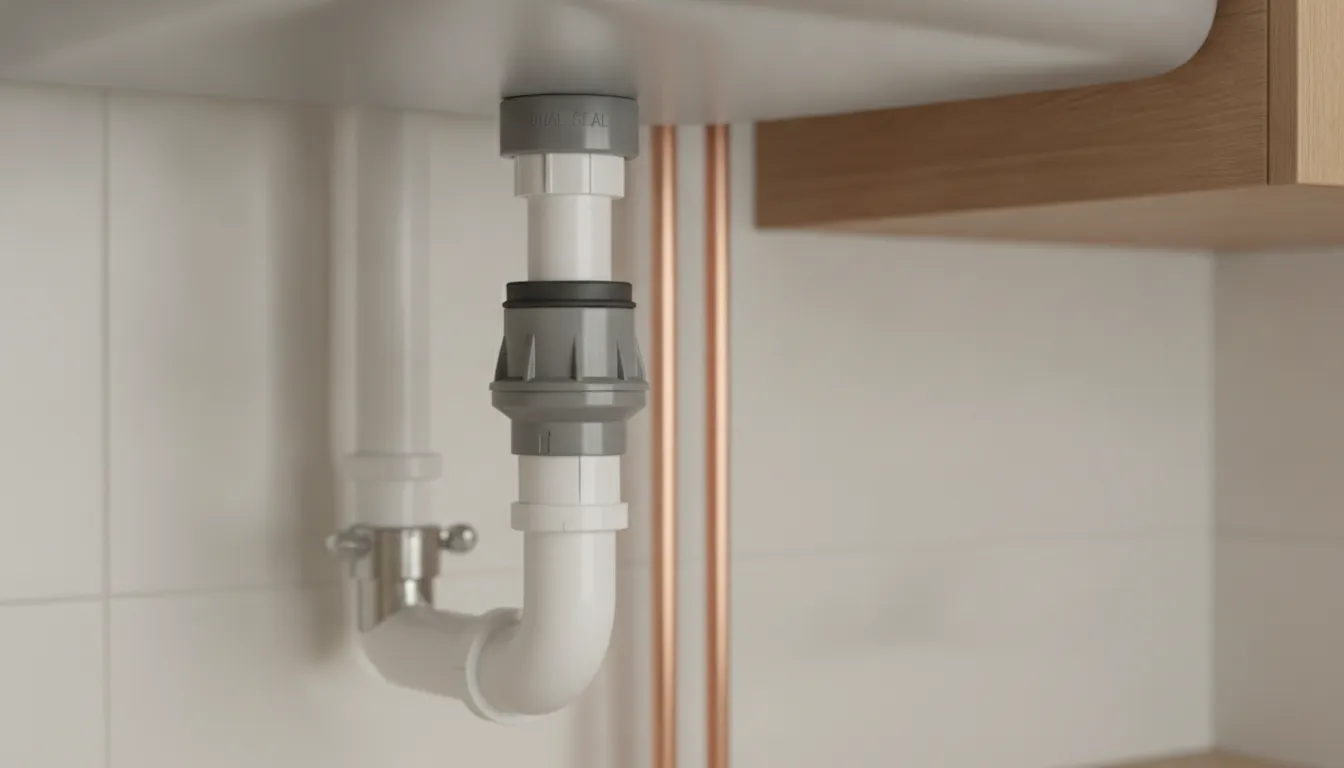
One of the most critical steps is setting the valve at the proper height. If it’s too low, it won’t be able to break the siphon correctly. For a chemical resistant AAV, the official guidance is clear: the valve " should be located a minimum of 4” above the horizontal branch drain or fixture drain being vented." Following this rule is non-negotiable for proper function. This elevation gives the valve the leverage it needs to open and close at the right moments, letting air in to protect the fixture's water trap without any risk of waste backing up into the valve itself. Think of it as giving the AAV the high ground so it can properly manage the pressure in your drainage system.
Plan for Future Access
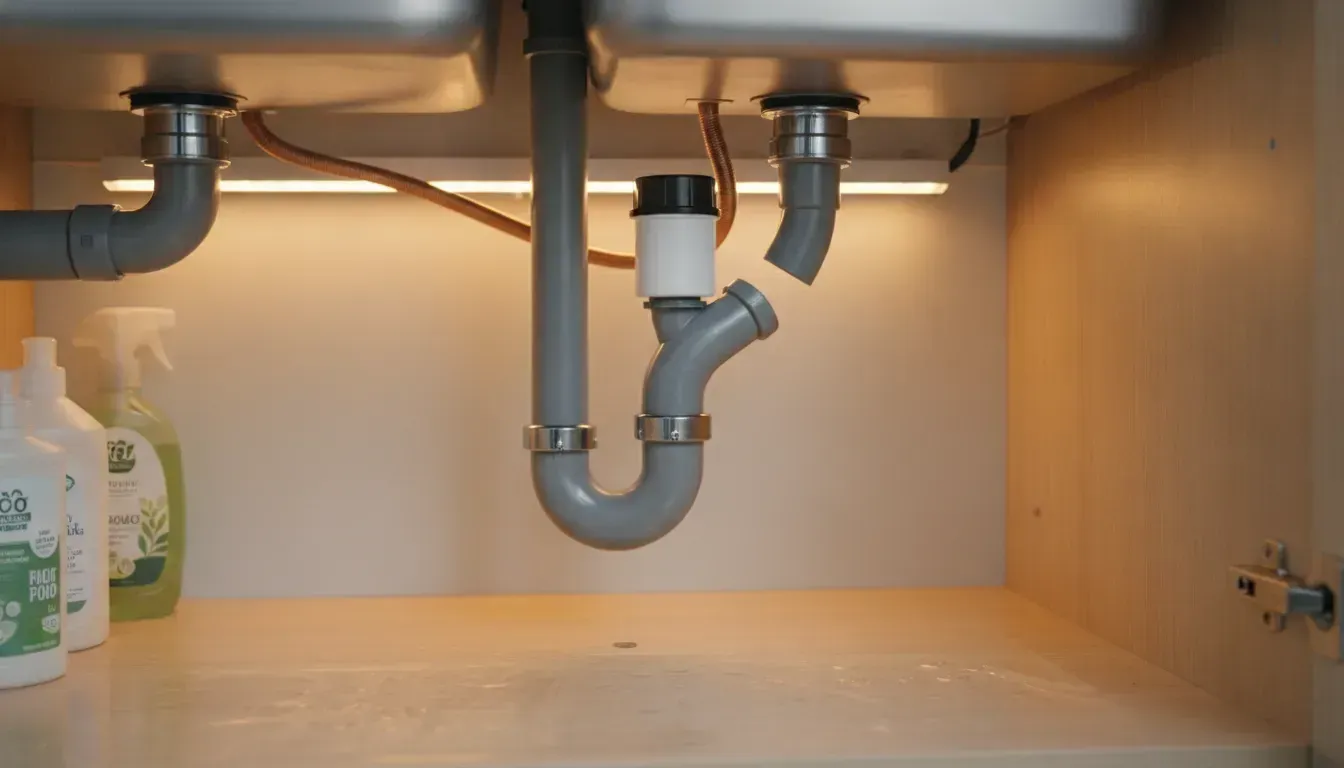
It might be tempting to tuck an AAV away behind a wall for a cleaner look, but you’ll thank yourself later for keeping it accessible. These valves have moving parts, and like any mechanical component, they may need to be inspected or replaced eventually. That’s why it’s recommended that "each valve should be installed in an accessible location." This could mean placing it in the cabinet under a sink or behind a removable access panel. Planning for access from the start turns a potential future demolition project into a simple five-minute swap. It’s a hallmark of a professional job and shows you’re thinking about the long-term serviceability of the plumbing system.
Ensure Proper Sizing for Peak Performance
Choosing the right size AAV is about more than just matching the pipe diameter; it’s about ensuring the valve can handle the system's drainage flow, measured in drainage fixture units (DFUs). An undersized valve will struggle to draw in enough air, which can lead to gurgling drains and siphoned traps, defeating the purpose of installing it in the first place. On the other hand, a properly installed air admittance valve that is correctly sized for the DFU load makes installation a breeze and effectively solves even the most difficult venting challenges. Always check the DFU rating on your AAV and match it to the requirements of the fixtures it will be serving.
Avoid These Common Installation Mistakes
Knowing what not to do is just as important as knowing what to do. A few common installation errors can completely undermine the valve's effectiveness. One of the most frequent issues is an improper installation that ignores placement rules. For example, a valve "installed under a sink but not high enough above the drain" violates the 4-inch rule and can lead to poor performance. Another of the common air admittance valve pros and cons is placing the valve "tucked inside a wall" without an access panel, which we just covered. By avoiding these simple but critical missteps, you ensure the AAV can breathe properly and remain accessible for its entire service life, giving you and your client total peace of mind.
Is a Chemical Resistant AAV a Smart Investment?
When you’re dealing with specialized plumbing systems, cutting corners isn't an option. Opting for a chemical-resistant air admittance valve might feel like a bigger upfront cost, but it’s one of the smartest decisions you can make for the long-term health and efficiency of the system. It’s an investment in reliability, saving you time, money, and a lot of future headaches. Let’s break down why it pays off.
The Payoff: Long-Term Durability
In environments like labs, industrial facilities, or even certain commercial kitchens, the plumbing system is exposed to more than just water. Harsh chemicals and high temperatures can quickly degrade standard materials. A chemical-resistant AAV is built specifically to handle these harsh operating conditions. Made from robust materials like polypropylene, these valves won’t corrode, crack, or fail when exposed to aggressive substances. This means you install it once and can trust it to perform for years, avoiding the costly cycle of replacing cheaper, less suitable parts. It’s the classic "do it right the first time" scenario; the durability you gain protects the entire drainage system.
How You'll Save Time and Money on Installation
One of the best features of any AAV is its ability to simplify plumbing layouts. Instead of running complex vent pipes through walls and roofs, AAVs provide a proven method for simplifying this process by allowing air to enter the system right where it's needed. This is a huge win for your budget and timeline. You’ll use fewer materials and spend significantly less time on labor, which is especially helpful in complex retrofits or buildings where routing a traditional vent is nearly impossible. A chemical-resistant AAV gives you all these installation benefits while adding the crucial layer of protection needed for specialized waste systems.
Simplify Future Maintenance
Choosing an AAV certified for chemical resistance is a proactive step toward easier maintenance. When you install a valve designed for the specific chemicals in the waste system, you prevent the material breakdown that leads to sewer gas leaks and trap siphonage. This means you won't be called back to the job site to diagnose mysterious odors or fix a failing valve a few months down the line. Because these special waste systems can now be vented with an AAV that is properly certified, you can confidently install it and know it will protect the fixture trap as intended. It turns a potential problem area into a reliable, low-maintenance part of the plumbing system.
Finding a Reliable, High-Performance Valve
Once you’ve determined that a chemical resistant AAV is the right tool for the job, the next step is to pick the best one. With different designs and features on the market, it’s important to know what separates a good valve from a great one. The difference often comes down to a few key details that have a major impact on long-term performance, safety, and your peace of mind. Focusing on the seal design, the technology behind the valve, and the availability of supporting components will help you find a truly reliable, high-performance solution that you can install with confidence.
Why a Dual-Seal Design Offers Superior Protection
Think of the seal as the most important part of an AAV. Its job is to open to let air in and close to keep harmful gases out. While a single seal can do the job, a dual-seal design provides a critical layer of redundancy. It’s like having a primary seal and a backup working together to create an exceptionally secure barrier. This design offers enhanced protection against leaks and ensures that dangerous sewer gases and chemicals do not escape. In demanding environments where system integrity is non-negotiable, that second seal provides an extra measure of safety and durability, giving you a valve that is built to last.
The Importance of a Proven, Patented Solution
When you see that a valve has a patented design, it’s more than just a marketing term. It means the technology is unique, innovative, and has been rigorously developed to solve a specific problem. A proven, patented solution gives you confidence that you’re not just buying a generic part, but a piece of equipment that has been thoughtfully engineered and tested for effectiveness. This is especially crucial for chemical waste systems where safety and reliability are paramount. Choosing a patented valve means you are investing in a product built on a foundation of research, quality, and a commitment to superior performance.
Look for a Complete Range of Components and Solutions
A successful installation depends on more than just the valve itself. You also need the right connectors, adapters, and other fittings to ensure everything integrates perfectly into the existing plumbing. That’s why it’s smart to choose a manufacturer that offers a complete range of products designed to work together. This saves you the headache of sourcing parts from multiple suppliers and hoping they are compatible. When a company provides a full ecosystem of components, it shows they understand the entire job from start to finish, making your work simpler and ensuring a professional, leak-free result every time.
Related Articles
- TUUBER™ air admittance valve technical specifications
- TUUBER Air Admittance Valve AAV Vent
- TUUBER™ Dual-Seal 20 Vent Air Admittance Valve AAV
- TUUBER™ air admittance valve instructions
- air-admittance-valve-drain-fixture-unit-dfu-ratings
Frequently Asked Questions
Can I just use a chemical resistant AAV for all my jobs, even in homes? While you certainly could, it’s generally not the most practical or cost-effective approach. A standard air admittance valve is perfectly designed and tested for the demands of a residential plumbing system. Using a specialized chemical resistant valve in a home kitchen or bathroom is a bit like using a sledgehammer to hang a picture frame. It’s best to match the valve to the job, saving the heavy-duty, chemical resistant models for the labs, workshops, and industrial settings where they are truly necessary.
What are the actual signs that a standard AAV is failing due to chemical exposure? If a standard valve is installed in the wrong environment, you’ll see the material itself start to break down. The plastic body might become brittle and crack, or it could get soft and warp. The most obvious sign of failure, however, is the loss of its seal. You might notice persistent sewer gas odors near the fixture, which indicates the valve is no longer closing properly. You may also hear gurgling sounds from the drain, a classic symptom of trap siphonage, meaning the valve isn't opening correctly to let air in.
Where do I find the chemical compatibility information for a specific valve? This critical information is almost always found on the manufacturer’s product data sheet or in the technical specifications. You can typically find these documents on the product page of the manufacturer's website. This sheet is your most reliable source, as it will list the specific certifications the valve holds and detail its resistance to various chemicals and temperature ranges. Always review this document before making a purchase for a special waste project.
You mentioned installation height, but can these valves be installed at an angle or horizontally? No, an air admittance valve must always be installed in a plumb, vertical position. The internal sealing mechanism is designed to work with gravity. When water stops flowing, gravity is what pulls the seal closed to block sewer gases. If the valve is installed at an angle or horizontally, the seal won't close correctly, which will leave the drainage system open to the sewer and defeat the entire purpose of the valve.
Is a dual-seal design really that much better than a single seal? Think of it as an extra layer of insurance for your plumbing system. While a single seal is effective, a dual-seal design provides an important backup. It creates a redundant barrier that offers superior protection against any potential leaks or gas escaping. In demanding environments where safety and system integrity are the top priorities, that second seal provides an added measure of confidence and long-term reliability that you just don't get from a standard single-seal valve.