Dishwasher Drain Vent Method Comparison for Your Kitchen
Why dishwasher drains need venting or an air gap.
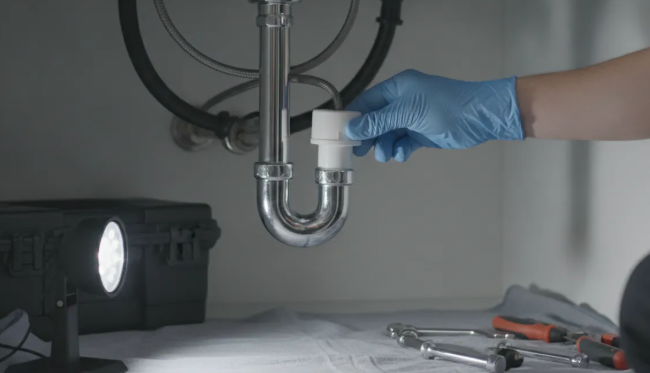
Finding dirty dishwater backing up into your clean appliance usually means a critical venting error. Getting the right dishwasher drain line setup under your sink is vital for proper sanitation and local code compliance.
Browse Tuuber's dual-seal AAV lineup to find a code-compliant under-sink venting option that stops backflow and keeps sewer gas out of your kitchen.
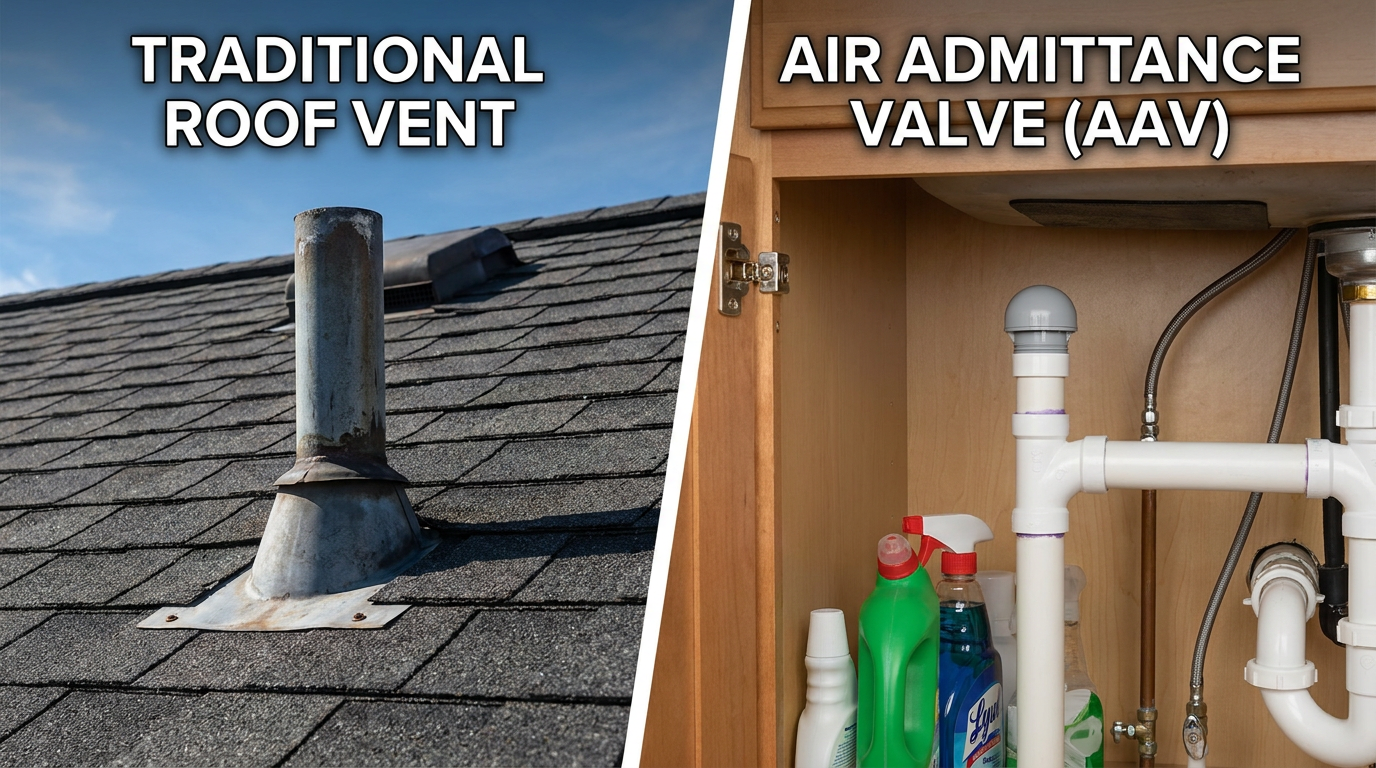
A dishwasher drain vent method comparison shows that you can use an air gap, high loop, or air admittance valve (AAV) to block backflow. An air gap uses a metal cylinder on your sink to stop water backflow, while a high loop routes the drain hose under the countertop. An AAV provides a compact valve that uses air to balance line pressure, keeping the plumbing trap safe without needing a roof vent pipe.
According to Minnesota State plumbing rules, dishwashers must discharge indirectly into your sanitary drain system to keep the kitchen clean. Each setup has unique installation costs, local plumbing code rules, and cabinet space needs that you must study before you choose.
You might wonder how these systems work under the sink to keep your kitchen safe from foul sewer odors. We outline the key concepts in our AAV vs traditional vent piping comparison and cover step-by-step setup in our air admittance valve installation how-to guides. To find the right fit for your home, the search starts with Why Dishwasher Drains Need Venting or an Air Gap.
Why Dishwasher Drains Need Venting or an Air Gap
When you start a dishwasher drain vent method comparison, you will see that each option aims to do the same job. You must keep wastewater and foul smells out of your dishes.
A home dishwasher must pump out dirty water after each wash cycle. To do this safely, the machine needs a way to vent. Without a vent, wastewater can flow backward into the unit.
By law, domestic dishwashing machines shall discharge indirectly into a waste receptor, a sink tailpiece wye fitting, or a disposer. This rule comes from state plumbing rules to guard your home from backflow. By draining into a receptor rather than directly into the sewer, the machine stays safe.
Sewer gas and the trap seal
Every sink has a curved pipe below called a P-trap. This trap holds a small pool of water, known as a trap seal, which blocks bad air. Proper venting is key to keeping this water in place. When wastewater rushes down the drain, it can pull water right out of the trap.
Without a seal, sewer gas can rise and fill your kitchen with bad smells. You can read about how dual-seal AAVs prevent sewer gas to learn more.
To work well, a sink trap must meet strict size rules. Under state plumbing codes, the trap shall be at least 1 1/2 inches in diameter. Keeping the water seal inside this trap is a primary job of your vent. If the vent fails, sewer smells can easily enter your kitchen.
The risk of wastewater siphoning
Siphoning is another major concern. When your dishwasher pumps out wastewater, the flow creates pressure in the pipe. If there is no vent, this force can pull dirty water back into the machine. This backflow can leave standing water in the hose, leading to mold and odors.
A blocked line also leaves dirty water sitting in your sink, creating a health hazard. To keep things clean, state plumbing rules mandate that all dishwashing machines shall discharge to the sanitary drain system. A proper vent keeps water flowing in the right path and stops pooling.
High Loop Method: Cheap but Not Always Code-Compliant
The high loop method is a simple way to drain your kitchen dishwasher. It does not need extra valves or devices under the sink. But this option has clear downsides and may not pass a local home inspection.
Mechanics of gravity flow
To set up this method, you route the dishwasher drain line up to the highest point under your kitchen counter. This point must sit above the flood level of your sink. The hose then loops back down to join the sink drain or food waste disposer. This layout uses basic gravity to stop dirty sink water from backflowing into the clean dishwasher. Under state rules, such as Minnesota plumbing code, domestic dishwashers must discharge indirectly to help protect your home.
The ten-foot hose length rule
Plumbing codes put strict limits on how you install this loop. A long hose can cause drain water to collect and sit inside the line. This standing water can breed bad odors and block flow. To prevent this, Wisconsin plumbing rules state that the indirect waste line must not exceed a developed length of ten feet. If your sink is far from your dishwasher, you cannot use this method safely. You will need to find another way to vent the line.
Limitations of backflow protection
A high loop is cheap to set up because you do not have to buy extra parts. But it offers the weakest protection against backflow. If your main sink drain gets a deep clog, waste water can still rise and spill over the loop. This can flood your kitchen or ruin your dishwasher. Because of this risk, many local codes do not allow high loops. Some states demand a physical air gap device instead.
If you want to avoid an ugly air gap on your counter, you can read more in our AAV vs traditional vent piping comparison. A compact air valve under the sink can keep your counter clean while keeping sewer gas out.
Air Gap Device: Code-Required in Some States, Optional in Others
An air gap device is a small metal or plastic fitting. It sits on top of your kitchen counter next to the sink. It creates a physical break between the dishwasher drain hose and the home drain pipes.
This gap uses open air to keep waste water from flowing backward into your clean machine. To prevent backflow, the Minnesota state rules require dishwashers to discharge indirectly. If a sink clog happens, the dirty water exits onto the counter instead of backing up into your dishwasher.
The physical backflow barrier
Without a physical break, dirty waste water from your sink could easily siphon back into your clean dishwasher. This is known as backflow. Gravity-based methods, like a high loop, do not have a physical break.
They rely only on the height of the hose. If a major blockage forms, pressure can still force waste water past a high loop. An air gap prevents this because gravity cannot pull water across an open air pocket.
State-by-state plumbing code variations
Local rules vary on whether you must install this device. In some places, you have no choice but to use an air gap. For example, states like California, Washington, Minnesota, and Hawaii make them mandatory.
If you live in these areas, you cannot pass a plumbing inspection without one. In other states, you can choose from different venting options for your kitchen remodel.
Because plumbing codes change often, you should check with your local building department before you start your project. Local towns can adopt the Uniform Plumbing Code or the International Plumbing Code with their own amendments. A local inspector can help you compare each dishwasher drain vent method to see what fits your local laws. Choosing the wrong method could delay your permit or force you to redo the plumbing work.
Comparing space and visual impact
Many homeowners dislike air gap devices because of how they look. They need a hole in your countertop or sink deck. This extra fixture can collect grime and leak water onto your clean counter.
If you want a clean look, you might want to learn about Tuuber's dual-seal AAV lineup as a hidden option. This setup keeps the kitchen looking neat while still meeting safety rules.
A Dishwasher Drain Vent Method Comparison Guide for Homeowners
Three dishwasher drain venting methods
Each home dishwasher must drain safely into the waste system. Plumbing codes state that these machines need a way to vent the drain line to stop backflow and block sewer gases. You can often choose between an air gap, a high loop, or an air admittance valve to vent the line. Each option offers a new way to keep waste water out of your dishes. For more on basic venting, read the details in our AAV vs traditional vent piping comparison.
The air gap and high loop are the two oldest methods. An air gap sits on top of your counter. It uses a real gap of air to stop dirty water from flowing back. But these units can clog and leak dirty water onto your clean counter. The high loop is simpler but less safe. It just pins the drain hose up high under your sink or counter. If the sink backs up, gravity alone may not stop waste water from siphoning.
Some states demand a real air gap by law, but other zones let you use a loop or an air valve.
Key differences in protection and space
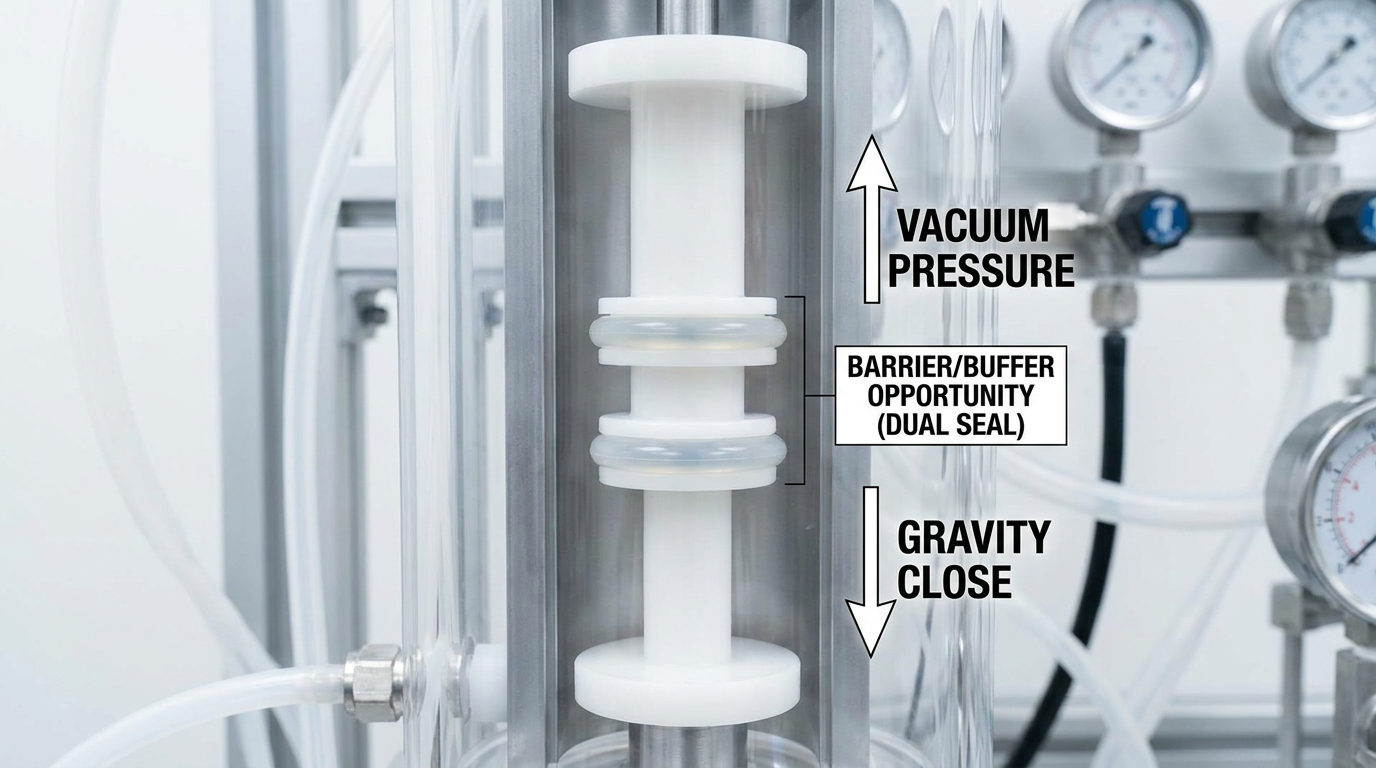
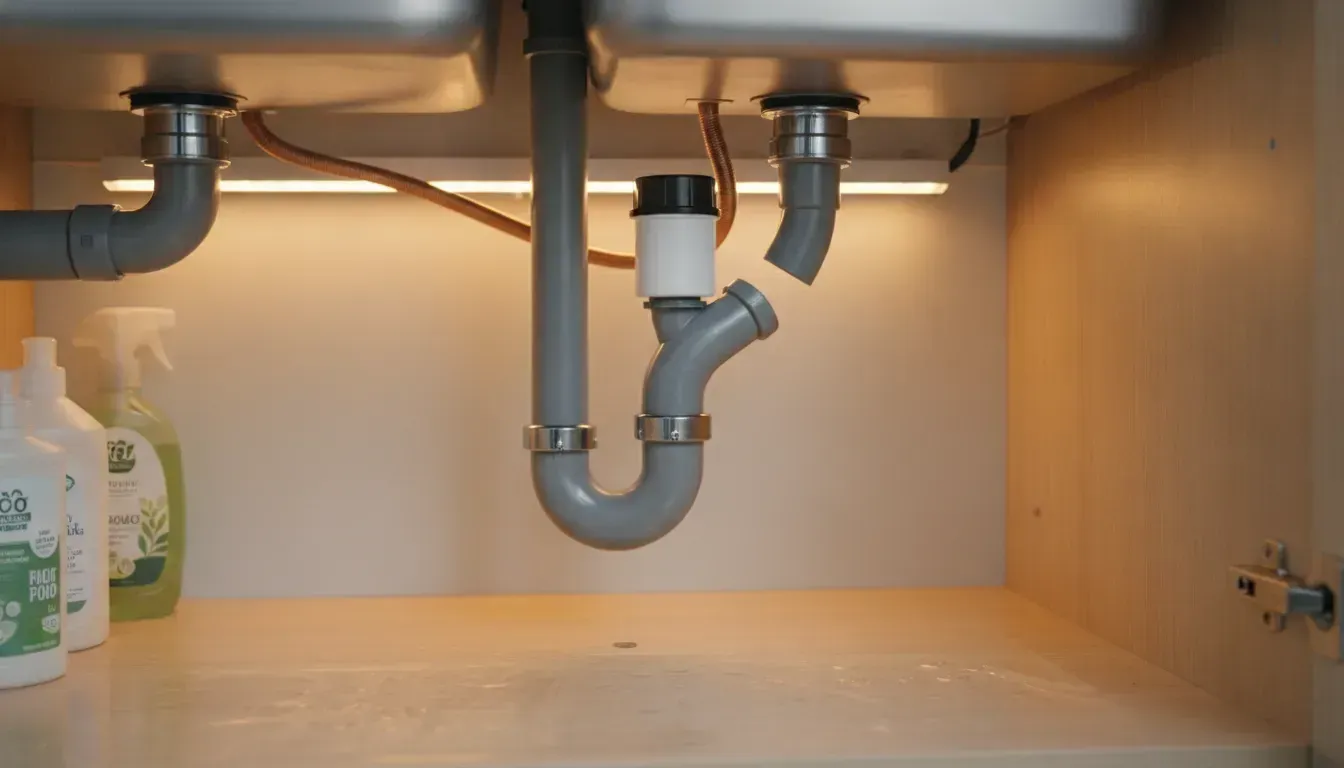
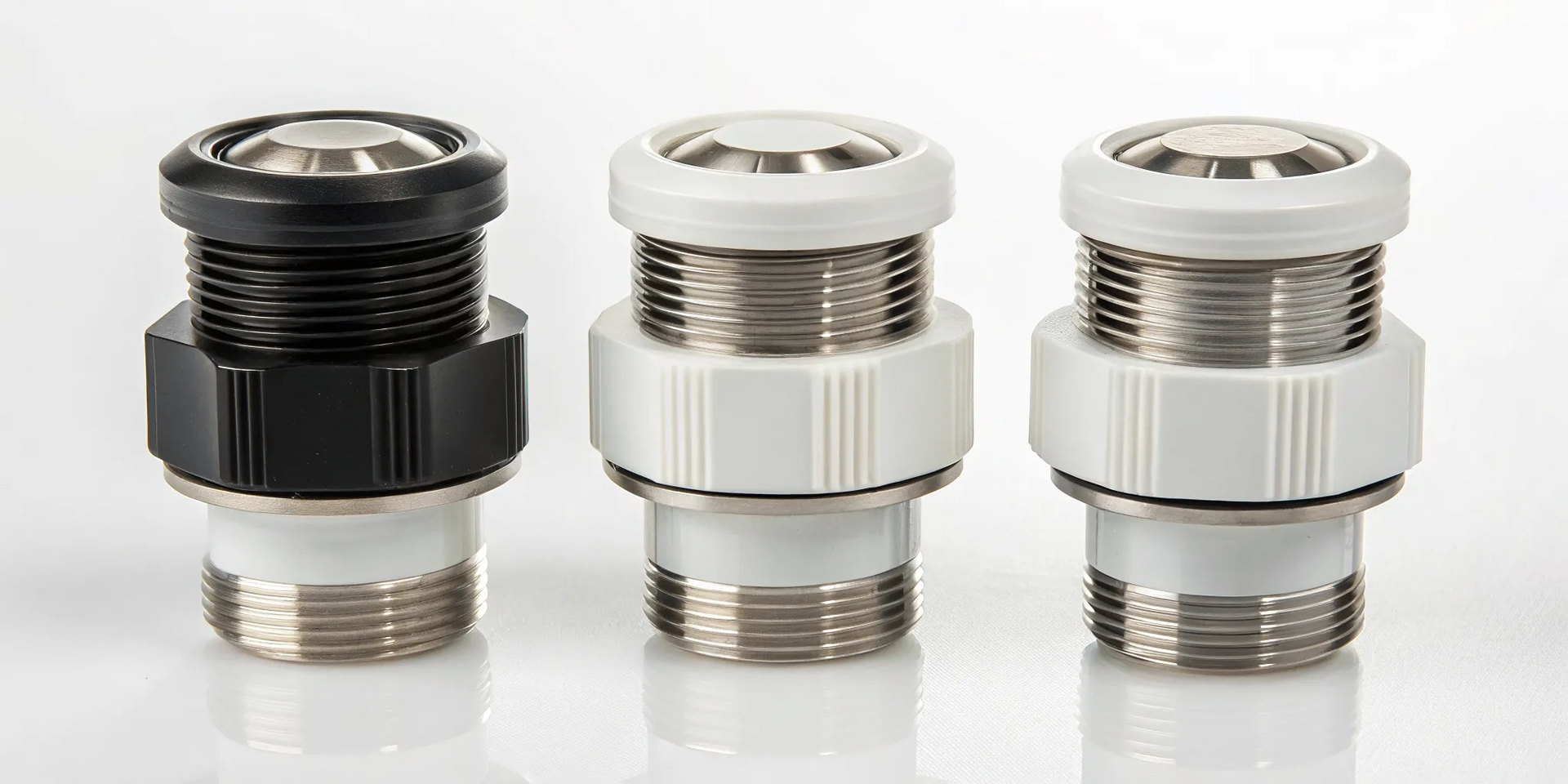
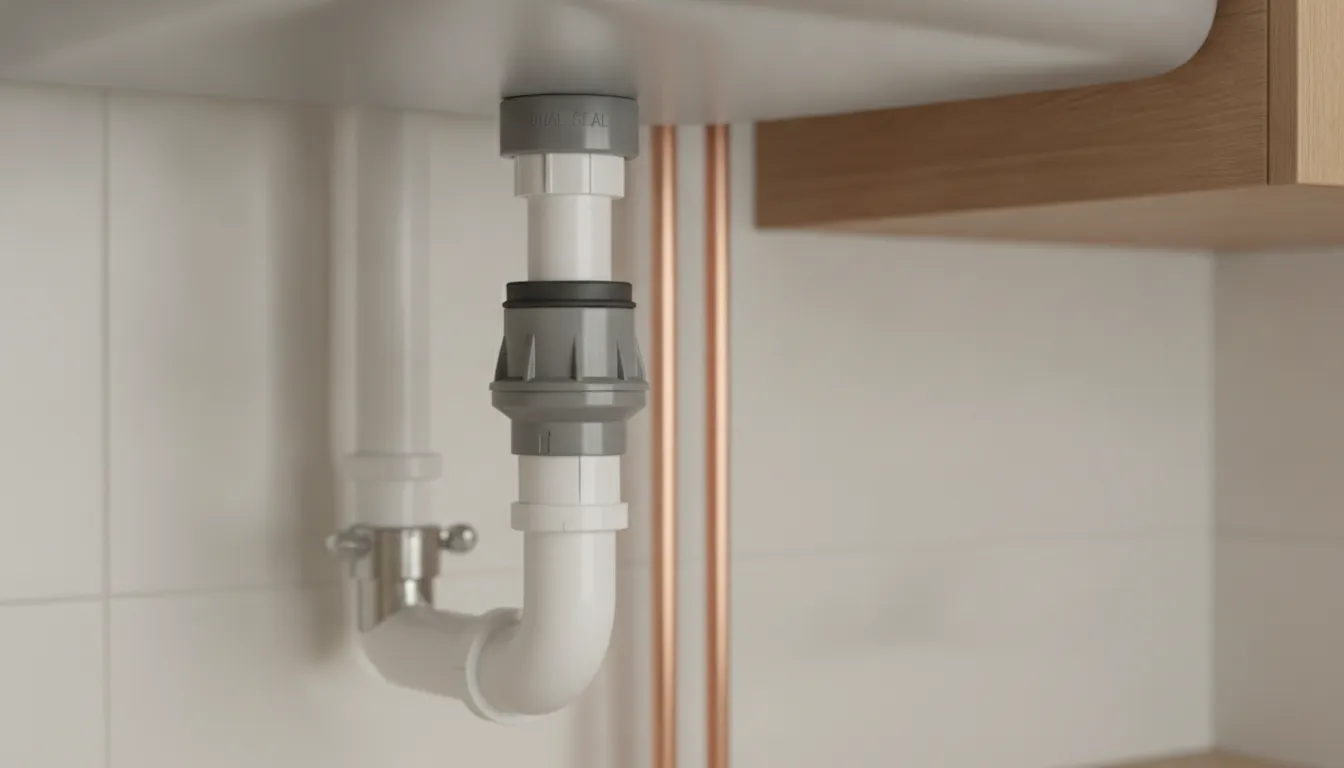
An air admittance valve offers a great mix of safety and clean looks. It sits under the sink, so you do not have to cut a hole in your counter. For the best safety, you can browse Tuuber's dual-seal AAV lineup to find the right fit. Our valves comply with tough plumbing standards to block sewer smell. They use a patented dual seal to keep your home air clean and fresh. If pressure drops in the drain line, the valve opens to let air in, then seals tight.
When you compare your options, think about how each method handles gas and water.
| Venting Method | Backflow Protection | Odor Prevention | Space Impact | Code Status | Cost and Effort |
|---|---|---|---|---|---|
| Air Gap | Physical gap stops backflow | Prevents drain odor | Requires countertop hole | Mandatory in some states | Low cost; easy install |
| High Loop | Gravity barrier only | Can let sewer gas in | No countertop space used | Allowed in most states | No cost; easiest setup |
| Air Admittance Valve | Mechanical valve seal | Dual-seal blocks odors | Hidden under the sink | Complies with major codes | Low cost; quick setup |
Plumbing code and safety rules
Plumbing codes are strict about dishwasher drains. For example, the Minnesota plumbing code requires these machines to discharge indirectly into a waste receptor or sink wye branch. This setup keeps dirty water from siphoning back into your clean dishes. Also, if you use a high loop, the waste piping has length limits. Under the Wisconsin state code, this indirect drain line cannot exceed ten feet. Following these rules protects your home and keeps your kitchen safe.
Air Admittance Valve: When It Can and Cannot Serve a Dishwasher
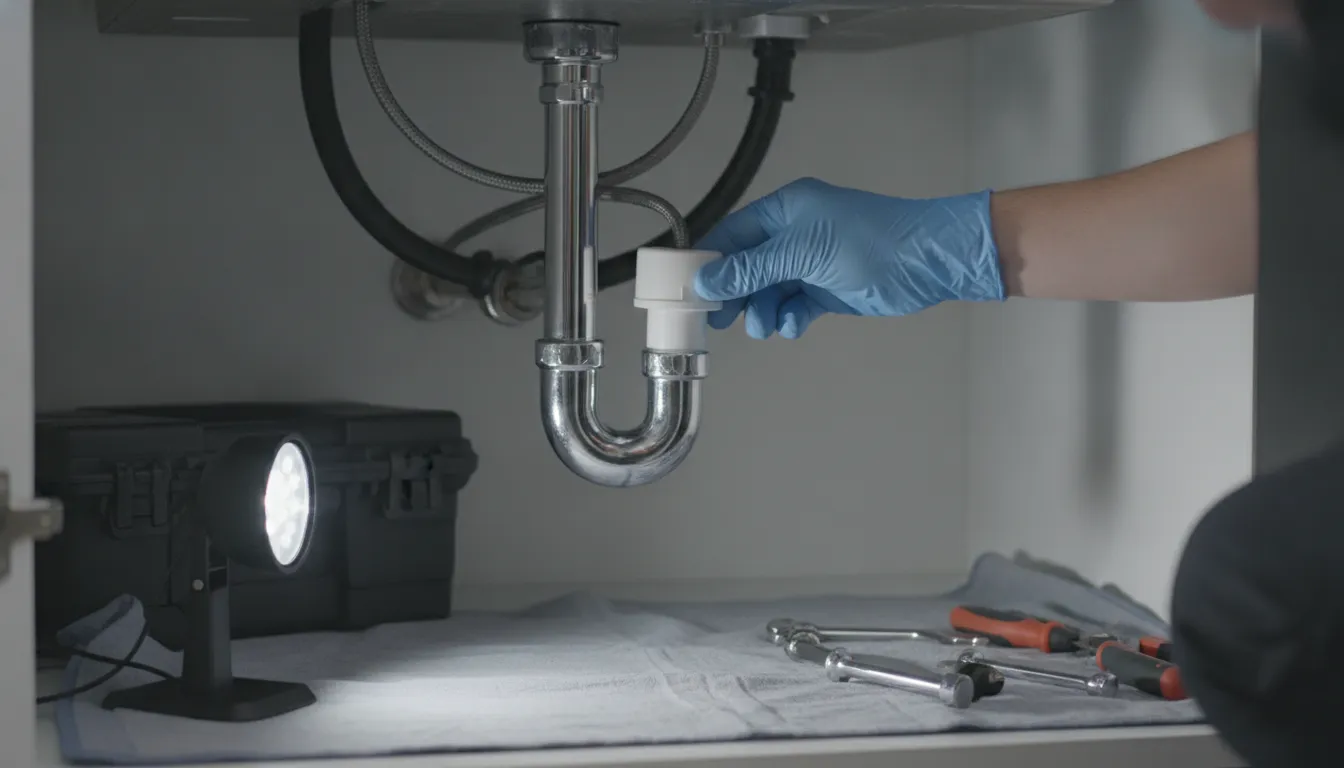
When you look at a dishwasher drain vent method comparison, space and ease of setup are key. An air admittance valve (AAV) offers a smart way to vent your dishwasher drain. In systems where local air can balance pressure, an AAV is highly useful. It opens when waste water flows to let air in, then closes to keep sewer gas out. By doing this, AAVs prevent siphoning without the need for a roof vent pipe.
How local air vents the drain
You must set up these valves following manufacturer guides.
When local codes restrict mechanical vents
But an AAV is not allowed everywhere. Some states and towns have strict plumbing rules that do not accept mechanical vents. In those areas, you may still need an air gap. Under Wisconsin state rules, for instance, indirect waste piping from a dishwasher must not be more than ten feet long. Some local codes do not allow AAVs at all. You must always check with your local plumbing board before you choose your venting path.
Choosing a dual-seal valve for safety
If your local code allows an AAV, you should choose a good model. Standard valves with one seal often fail, letting sewer gas leak inside. The Tuuber Dual-Seal Triple Flow Passage AAV offers a better choice. This patented design uses two seals to keep your home safe from smells. It helps protect sink traps from siphoning and odors. You can read more about how dual-seal AAVs prevent sewer gas to see how they work. These valves are built to comply with ANSI/ASSE 1050 and ANSI/ASSE 1051 standards.
Using a compliant valve gives you peace of mind and keeps your kitchen clean.
Choosing the Right Dishwasher Drain Venting Method for Your Code Jurisdiction
When you plan to install a new kitchen unit, you must choose the right drain path. A dishwasher drain vent method comparison helps you find the best setup. Each local town has its own set of rules for plumbing.
Some local boards demand a deck air gap on the sink top. Other areas allow you to use a loop or a special valve to stop backflow. You should always talk to a local inspector before you start.
Here is how to quickly narrow your choice when you review a dishwasher drain vent method comparison:
- Confirm whether your local code makes an air gap mandatory, or accepts a mechanical vent at all.
- Weigh cabinet space and budget: a high loop is free, while a valve adds a small part cost.
- When an air admittance valve is accepted, choose a dual-seal model that complies with ASSE 1050 and ASSE 1051 for the safest under-sink vent.
Checking your local code
Most states follow either the Uniform Plumbing Code or the International Plumbing Code. These codes state where and how you can use different venting options. For example, some rules let you use an air admittance valve to vent your sink and dishwasher drain.
Under these codes, air admittance valves must be set up following the maker's rules. The valve also needs to match the size of the vent line it serves. Using these valves can save a lot of space under your kitchen counter.
How venting protects the trap seal
Every sink drain needs a trap to keep smelly sewer gas out of your home. Proper venting keeps the water seal inside this trap safe. If the vent is poor, rushing water can siphon the trap dry.
To work well, plumbing codes set exact sizes for these parts. For instance, the sink trap must be at least 1.5 inches in diameter. It must also extend at least 15 inches above the trap weir. A strong vent keeps air pressure steady so this water seal does not break.
When to choose an air admittance valve
When your local code allows them, air admittance valves are often the smartest choice. They fit under the sink and do not need a pipe through the roof. This saves space and makes the job simple for DIYers.
Standard single-seal valves can fail and let odors into your home. This is why many choose dual-seal designs. You can learn more about how dual-seal AAVs prevent sewer gas and keep your kitchen smelling clean, or follow our installation how-to guides for a step-by-step fit. These units comply with ANSI/ASSE 1050 and 1051 standards to give you peace of mind.
Frequently Asked Questions
Do I need a dishwasher air gap?
Whether you need an air gap depends on your local plumbing rules. Some states, like California, demand an air gap device by law. Other towns let you use a high loop instead. If you want to check the rules, you can view the Minnesota State Code to see how they handle dishwasher waste. Always ask a local inspector first.
What happens if I do not vent a dishwasher drain?
Without a vent or loop, dirty sink water can siphon back into your clean dishwasher. This standing wastewater smells bad and carries germs. It can ruin your clean dishes and cause mold to grow inside the machine. Proper venting helps maintain the trap seal to keep sewer gas from rising up into your kitchen.
Can I use an air admittance valve for a dishwasher drain?
Yes, you can use an air admittance valve to help vent the sink drain where the dishwasher connects. An AAV lets air in so waste flows smoothly without siphoning the trap. You can use a dual-seal valve that complies with ASSE rules under your sink. This setup stops sewer odors from entering the home without the need to run a vent pipe through the roof.
How does a dishwasher air gap compare to a high loop?
An air gap is a physical device mounted on top of your sink deck. It provides an open space to stop backflow. A high loop is simpler because you just strap the drain hose high up under the cabinet. To see how these compare under state laws, you can check the Wisconsin Administrative Code which limits the length of the drain hose.
Ready to Upgrade Your Dishwasher Drain Venting?
Leaving your kitchen dishwasher drain completely unvented can let toxic sewer gases leak into your home and dirty wastewater back up into your clean dishes. You can browse Tuuber's dual-seal AAV lineup today to find a highly reliable under-sink dishwasher venting option that easily fits your specific cabinet space perfectly. Upgrading your home drainage system today ensures a clean, sanitary kitchen while keeping all your under-sink drainage pipes fully compliant with local plumbing codes.