What Is a Flanged Gate Valve? A Complete Guide
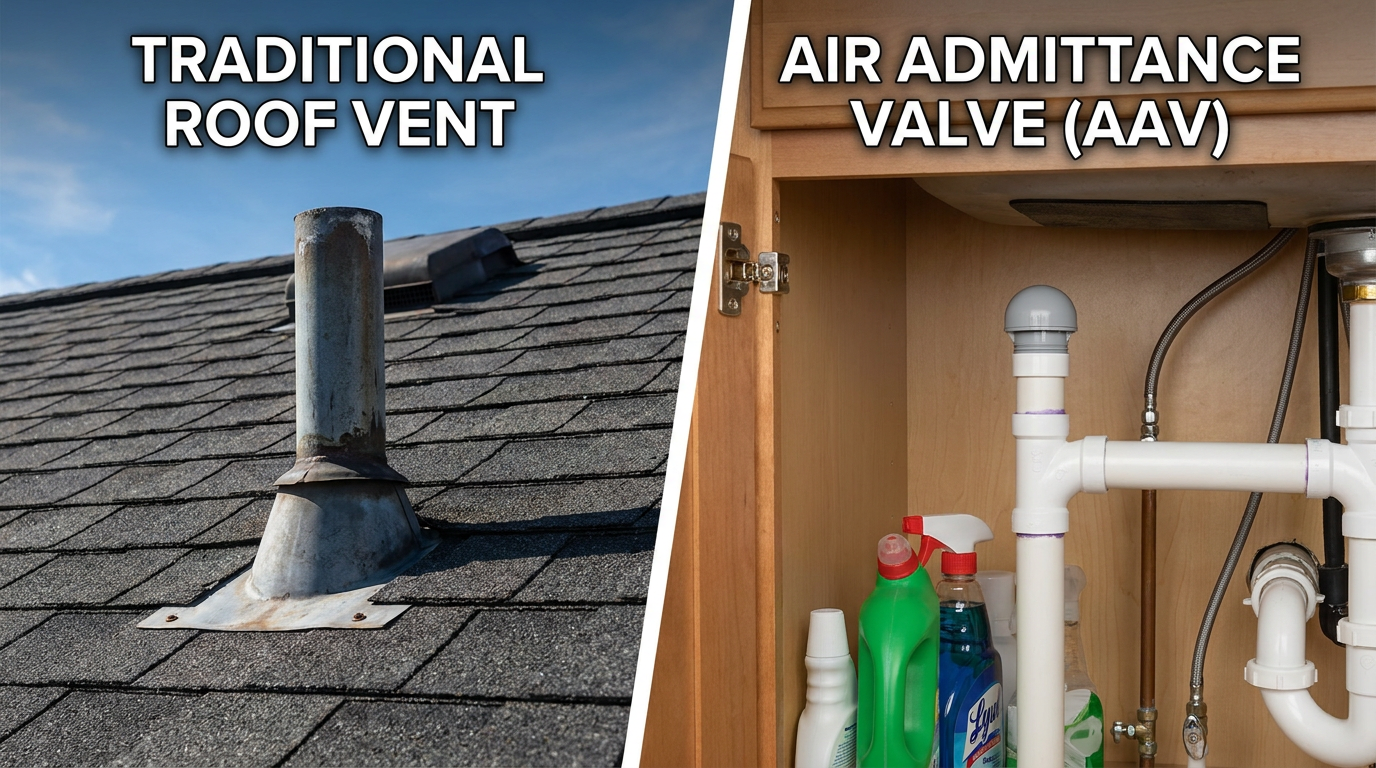
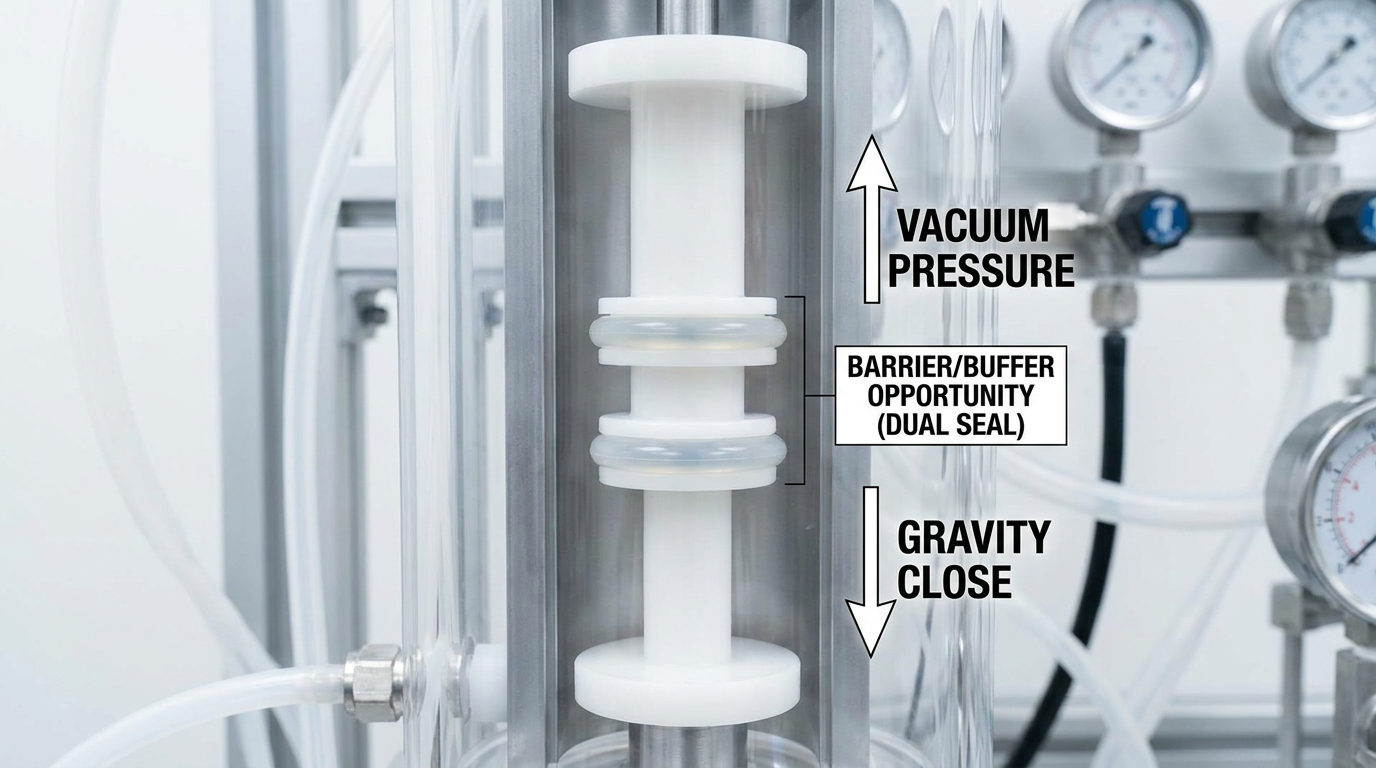
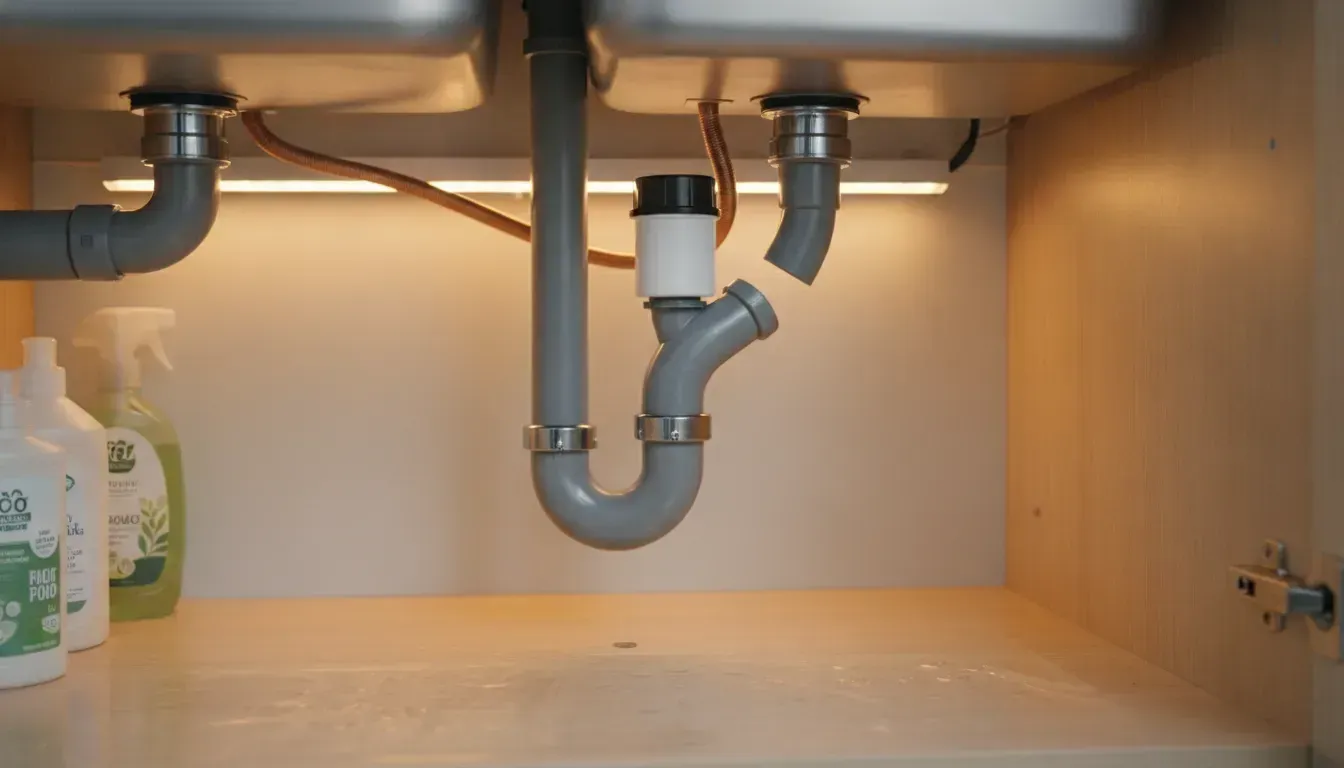
Every plumbing system is a tale of two distinct functions: pressurized supply and gravity-fed drainage. Understanding which side you're working on is the first step to choosing the right hardware. If you're asking, what is a flanged gate valve?, you're likely dealing with the supply side. These valves are the gatekeepers of high-volume flow, designed to stop or allow the passage of liquid in a pipeline. But they have no role in the drainage, waste, and vent (DWV) system. That’s where components like our dual-seal air admittance valves come in, solving problems of air pressure and trap siphonage.
Key Takeaways
- Use It for On/Off Control Only: A flanged gate valve is designed to either completely stop or fully allow flow. Using it to partially restrict or throttle liquid can cause vibration and damage the internal gate, leading to leaks and eventual failure.
- Count on Its Robust Design: These valves provide a tight, reliable seal and allow for unrestricted flow with minimal pressure drop, which improves system efficiency. Their durable materials and bolted flange connections make them a long-lasting choice for demanding jobs.
- Choose the Right Valve for the Job: A flanged gate valve is the correct choice for controlling liquid supply in large pipelines. For plumbing drainage and venting issues, like preventing P-trap siphonage and stopping sewer gas, an air admittance valve (AAV) is the necessary solution.
What Is a Flanged Gate Valve?
If you've worked with large-scale plumbing or industrial piping, you have likely come across a flanged gate valve. In simple terms, it’s a valve designed to act like a light switch for liquids: it either completely stops the flow or lets it pass through without obstruction. Its name comes from its two key features. The "flanges" are the bolted connections that secure it to the pipe, and the "gate" is the internal part that moves up and down to control the flow. These valves are a go-to choice in many systems because they are straightforward, reliable, and built for heavy-duty service.
The Anatomy of a Flanged Gate Valve
A flanged gate valve is made of a few core components working together. The main body houses the internal parts and connects to the pipeline. On each end of the body, you'll find the flanges. These are flat, circular rims with holes drilled through them for bolts. This design allows you to securely join the valve to a pipe, creating a strong, leak-resistant seal that can also be disassembled for maintenance without cutting the pipe. Inside, the "gate" is a solid plate, often wedge-shaped, that slides up and down. This gate is connected to a stem, which extends outside the valve body and is topped by a handwheel for manual operation.
How Does It Work?
Operating a flanged gate valve is very direct. When you turn the handwheel, it rotates the stem, which lifts the gate straight up and out of the fluid's path. With the gate fully raised, the valve provides a clear, unobstructed opening, allowing liquid to flow through with very little pressure drop. This is why they are excellent for on/off applications. To close the valve, you turn the handwheel the other way. This lowers the gate until it presses firmly into the valve's seats, creating a tight seal that stops the flow. It's important to remember that gate valves are not designed for throttling or partially restricting flow, as this can cause vibration and damage the gate and seats over time.
Where Are Flanged Gate Valves Used?
Because of their robust design and simple operation, flanged gate valves are essential components in many large-scale industrial and municipal systems. You’ll find them in applications where fully open or fully closed flow is the primary need, and reliability is non-negotiable. Their strength and secure flange connections make them a go-to choice for managing high-pressure liquids and gases across several key sectors. Let’s look at a few of the most common places these valves are put to work.
Water Treatment and Distribution
Flanged gate valves are perfectly suited for the high-pressure and high-volume demands of water treatment and distribution systems. Think about the massive pipelines that carry water to cities and towns; these systems require valves that can handle immense force without failing. The design of a flanged gate valve allows for efficient flow control, which is critical for managing both the clean water supply and the treatment processes for wastewater. Their full-bore opening creates minimal resistance, letting large quantities of water pass through efficiently when the system needs it.
Oil and Gas Pipelines
In the oil and gas industry, safety and precision are paramount. Flanged gate valves are crucial for controlling the flow of liquids and gases through extensive pipeline networks. One of their key features is the ability to open and close slowly. This deliberate operation helps prevent sudden pressure surges, often called water hammer, which can cause catastrophic damage to pipelines and equipment. By providing a reliable shutoff, these valves play a vital role in isolating sections of a pipeline for maintenance or in an emergency, ensuring the system operates safely and dependably.
Chemical Processing and Power Generation
The environments inside chemical processing plants and power generation facilities can be incredibly demanding. These settings often involve corrosive substances, high temperatures, and extreme pressures. Flanged gate valves are typically built from durable materials like cast iron or stainless steel, making them tough enough to withstand these harsh conditions. Their strong, bolted flange connections provide a secure, leak-proof seal that is essential when dealing with hazardous chemicals or high-pressure steam. This durability ensures they perform reliably in critical applications where a valve failure could have serious consequences.
The Advantages of Using a Flanged Gate Valve
When you're deciding on the right valve for your project, the benefits can make or break your choice. Flanged gate valves come with a host of advantages that make them a go-to option in many plumbing and industrial systems. From their sealing power to their straightforward installation, let's look at what makes them stand out.
A Reliable, Tight Seal
One of the biggest draws of a flanged gate valve is its ability to create an incredibly reliable and tight seal. This is especially important in systems dealing with high pressure, where even a small leak can cause major problems. The design of a flanged gate valve ensures that when it's closed, it's truly closed, giving you peace of mind that your system is operating safely and efficiently. This tight seal is fundamental to preventing fluid loss and maintaining the integrity of the entire pipeline, making it a trusted component for critical applications where failure is not an option.
Unrestricted Flow and Low Pressure Drop
Efficiency is key in any fluid system, and this is where flanged gate valves really shine. Their design allows for a completely unrestricted flow when the valve is fully open. Think of it as a clear, open highway for the liquid or gas passing through. This full-bore passage means there's very little resistance, which leads to a minimal pressure drop across the valve. For any application where maintaining strong, consistent flow is critical, this feature is a major advantage. It helps the entire system run more efficiently, saving energy and reducing operational strain.
Built to Last: Durability and Materials
Flanged gate valves are built to withstand tough conditions. They are typically constructed from robust materials like cast iron, carbon steel, or stainless steel, which gives them impressive durability and a long service life. This sturdy construction means they can handle a wide variety of substances, including corrosive fluids and high temperatures, without breaking down. Whether your project is in a demanding industrial plant or a municipal water system, you can count on the resilience of a well-made flanged gate valve. Their longevity makes them a cost-effective choice over time, reducing the need for frequent replacements and maintenance.
Simple Installation and Standard Compatibility
No one wants to struggle with a complicated installation. Luckily, flanged gate valves are known for their relative ease of installation. The flanged ends are designed to be bolted directly to matching flanges on the pipe, which is often simpler and faster than dealing with threaded or welded connections. This design also makes them easier to remove for maintenance or replacement. Because they are made to fit standard pipe sizes and pressure classes, you can be confident in their compatibility with your existing system. This straightforward approach saves time and labor on the job site.
Flanged Gate Valves vs. Other Common Valves
Choosing the right valve is crucial for the performance and longevity of any plumbing or piping system. While flanged gate valves are an excellent choice for many applications, it’s helpful to see how they stack up against other common types, like globe and ball valves. Each has a specific job it’s designed to do best.
Gate Valves vs. Globe Valves
Think of a gate valve as a light switch: it’s designed for simple on-off control. When fully open, its straight-through design allows fluid to pass with minimal resistance, which is great for system efficiency. Globe valves, on the other hand, are more like a dimmer switch. Their internal design is meant to change the direction of flow, making them ideal for throttling or adjusting the flow rate. Using a gate valve for throttling is a common mistake; the partial flow can cause vibration and wear on the gate and seat, leading to damage and a poor seal over time. So, if you need to stop and start flow, go with a gate valve. If you need to regulate it, a globe valve is the better tool for the job.
Gate Valves vs. Ball Valves
Ball valves are known for their quick, quarter-turn operation and tight seal. A simple 90-degree turn of the handle is all it takes to go from fully open to fully closed, making them a favorite for shutoff applications where speed is important. Like gate valves, they offer minimal pressure drop when fully open. The main difference lies in the operating mechanism and suitability for certain conditions. While both provide excellent seals, gate valves are often preferred in applications that require a full open or closed position but don't need frequent or rapid operation. Ball valves are fantastic for their speed and simplicity, but a multi-turn gate valve can offer more precise, slower closure, which helps prevent water hammer in some systems.
When to Choose a Flanged Gate Valve
So, when is a flanged gate valve the clear winner? They truly shine in high-pressure and high-volume systems, such as major water, oil, or gas pipelines. Their robust construction is built to handle demanding conditions where a reliable, tight seal is non-negotiable. The flanged ends are a major practical advantage for professionals, as they simplify the installation and maintenance process. Instead of welding, the valve can be bolted into place, making it much easier to remove for repairs or replacement. If your project involves a large-diameter pipe and requires a durable, low-maintenance valve for on/off control, a flanged gate valve is often the most dependable choice.
How to Choose the Right Flanged Gate Valve
Picking the right flanged gate valve isn't just about finding one that fits. It's about ensuring your entire system runs smoothly, safely, and efficiently for years to come. Making the wrong choice can lead to leaks, flow problems, or even premature failure, which means more work for you down the road. To get it right the first time, you need to consider a few key factors: the material, the size and performance specs, quality standards, and what it will take to maintain it. Let's walk through what you need to look for.
Selecting the Right Material
The material of your valve is its first line of defense against wear and corrosion. Flanged gate valves are generally made from tough materials like stainless steel, so they last a long time, especially in demanding environments. However, stainless steel isn't your only option. Cast iron is a cost-effective choice for water and wastewater applications, while carbon steel is excellent for high-temperature situations involving oil and gas. For saltwater or corrosive chemical applications, you might look at bronze or other specialized alloys. The key is to match the valve material to the fluid running through your pipes and the surrounding environment to prevent costly breakdowns. A good material selection guide can help you compare chemical compatibility.
Checking Size and Performance Ratings
Once you’ve settled on a material, you need to match the valve’s specifications to your system’s demands. First, confirm the valve size matches your pipe’s nominal diameter. You can find valves for pipes ranging from small residential lines to large industrial mains. Next, check the performance ratings for pressure and temperature. Flanged gate valves are available in various pressure classes, which tell you the maximum pressure they can safely handle. Always choose a valve with a pressure rating that comfortably exceeds your system's maximum operating pressure. Don't forget to check the temperature limits, as extreme heat or cold can affect a valve's performance and sealing capabilities.
Verifying Quality and Compliance Standards
In professional plumbing and industrial work, quality isn't optional. Look for valves that meet important industry standards, which confirm they are reliable and safe for specific uses. Certifications from organizations like the American Petroleum Institute (API), the American Society of Mechanical Engineers ( ASME), or the American Water Works Association (AWWA) are your assurance that the valve has been tested and proven to perform. These standards are especially critical in systems that handle substances like natural gas, oil, steam, or potable water. A certified valve gives you, and your clients, peace of mind that you're installing a component built for safety and reliability.
Understanding Maintenance Needs
A flanged gate valve is a durable component, but it isn't a "set it and forget it" part. To ensure a long service life, these valves require some routine attention. Gate valves, in particular, should be operated through a full open-and-close cycle on a regular basis, perhaps quarterly or semi-annually. This simple action prevents the gate from seizing up from sediment or mineral buildup, especially in systems where the valve remains in one position for long periods. A proactive valve maintenance schedule also includes inspecting the flange connections for leaks and checking the handwheel for smooth operation, helping you catch small issues before they become major problems.
Is a Flanged Gate Valve Right for Your Project?
Choosing the correct valve for a job comes down to understanding its specific purpose. While flanged gate valves and air admittance valves are both important plumbing components, they have completely different functions and are never interchangeable. Think of it like a light switch versus a thermostat; both control a system in your home, but you wouldn't use one to do the other's job.
Making the wrong choice can lead to an inefficient system, code violations, or just a lot of rework and frustration. To pick the right part, you need to be clear on your goal. Are you trying to stop the flow of water in a supply line, or are you trying to solve a drainage and venting issue? Answering that one question will point you in the right direction and ensure your project is safe, efficient, and built to last. Let’s break down the differences so you can feel confident in your decision.
Flanged Gate Valves vs. Air Admittance Valves
A flanged gate valve is designed for one primary task: to start or stop the flow of liquid within a pipeline. Think of it as a heavy-duty on/off switch for water or other fluids, often used in high-pressure or large-scale applications. When you open a gate valve, it provides a clear, unobstructed path for liquid to move through. When closed, it creates a tight seal to completely block the flow.
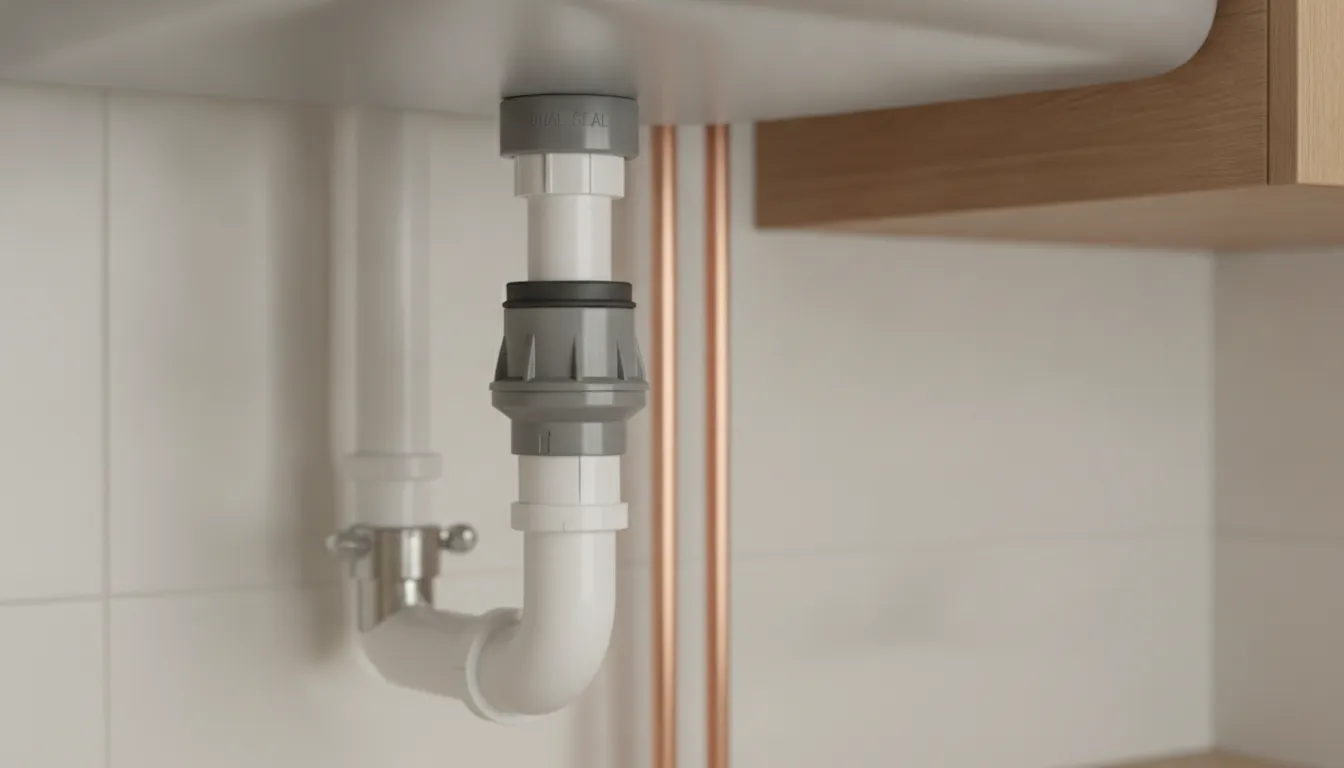
In contrast, an air admittance valve (AAV) solves a completely different problem in your plumbing’s drainage system. An AAV doesn’t control water flow. Instead, it opens to allow air into the drain pipes when it senses negative pressure, which prevents water from being siphoned out of your P-traps. It then closes to stop unpleasant sewer gases from escaping into your home.
Making the Final Choice for Your System
So, how do you choose? It’s simple: identify the problem you’re solving. If you need to install a shutoff on a main water line, a large irrigation system, or an industrial pipeline, a flanged gate valve is the right tool for the job. Its purpose is to give you manual control over the liquid supply.
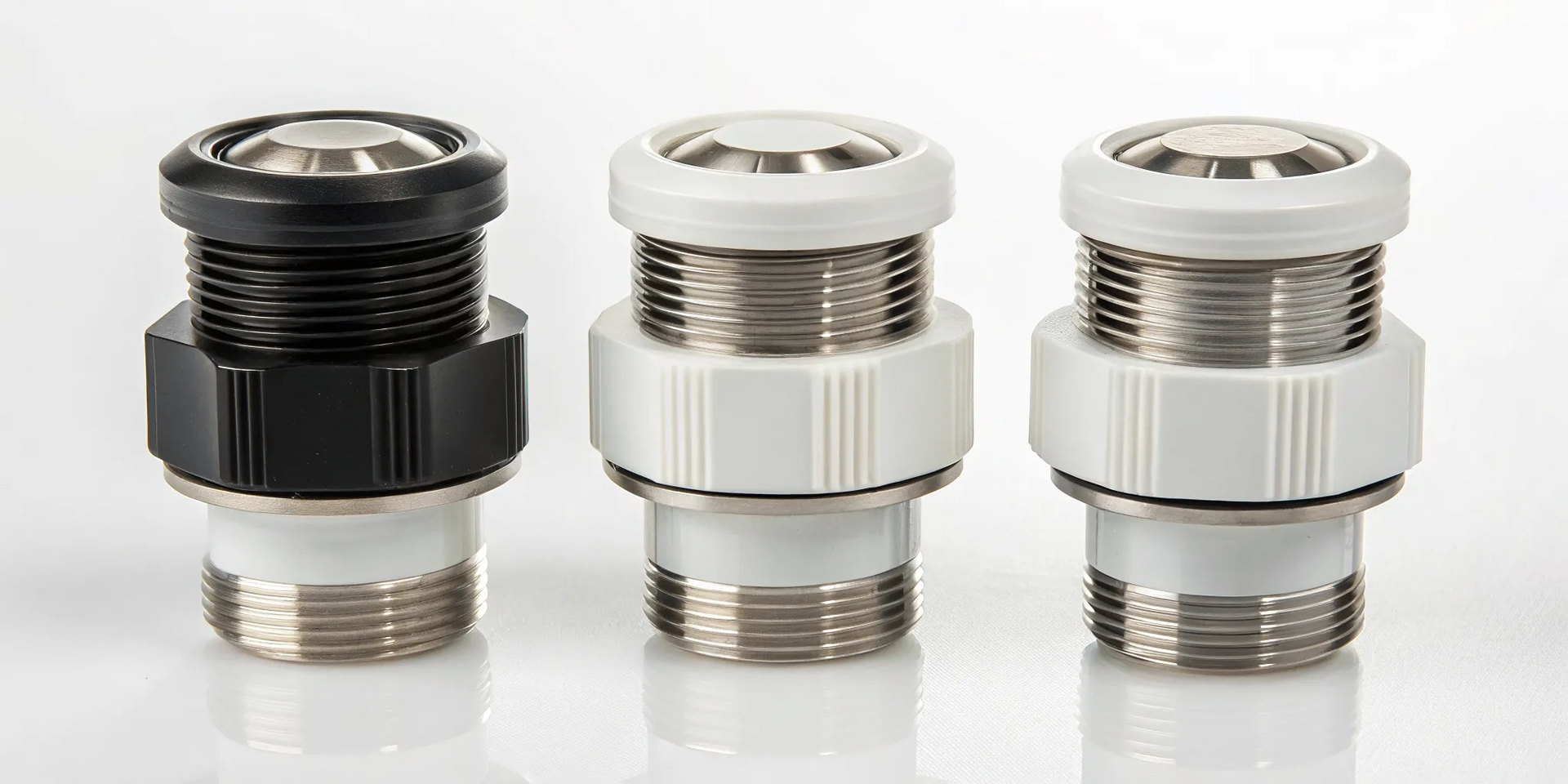
However, if you are installing a new sink, island, or bathroom and can't easily connect to a traditional vent stack, an AAV is your solution. It provides the necessary venting for your drainage, waste, and vent (DWV) system to function correctly. As experts in dual-seal AAV technology, we at Tuuber Valves have designed our products to provide a reliable, long-lasting alternative to conventional venting methods.
Frequently Asked Questions
Can I use a flanged gate valve to partially reduce water flow? It’s best not to. Gate valves are designed for fully open or fully closed positions. Using one to throttle or partially restrict flow can cause the liquid to create vibration and turbulence, which can quickly wear down the gate and its seats. Over time, this damage will prevent the valve from creating a tight seal when you need it to, so it's best to use them strictly for on/off control.
What makes the 'flanged' part of the valve so useful? The flanges are a major practical advantage, especially for installation and maintenance. Instead of requiring a permanent connection like welding, the valve is simply bolted between two matching flanges on the pipe. This makes the initial setup much more straightforward and allows you to easily remove the valve for repairs or replacement without having to cut the pipe, saving a lot of time and effort.
How do I know which material is right for my project? The right material depends entirely on what will be flowing through the pipe and the conditions of the system. For general water service, cast iron is a common and effective choice. If you're dealing with high temperatures or oil and gas, carbon steel is a better fit. For systems with corrosive chemicals or saltwater, you would want to look at stainless steel or other specialized alloys. Matching the material to the fluid is key to preventing corrosion and ensuring the valve has a long, reliable service life.
Is a gate valve or a ball valve better for a simple shutoff? Both are excellent for shutoff, but the choice often comes down to how you need to operate it. A ball valve offers a quick quarter-turn shutoff, which is great for applications where you need to stop the flow immediately or operate the valve frequently. A gate valve operates more slowly with multiple turns of its handle. This slower closure can be an advantage in large pipelines, as it helps prevent the damaging pressure surge known as water hammer.
So, a flanged gate valve and an air admittance valve do completely different things? Yes, they have entirely separate jobs. A flanged gate valve acts as a stop sign for liquid in a supply pipeline, giving you manual on/off control. An air admittance valve, like the ones we specialize in at Tuuber, works on the drainage side of your plumbing. It's a one-way valve that lets air into the drain pipes to prevent P-traps from being siphoned dry while stopping sewer gas from escaping. You would use a gate valve to control supply and an AAV to solve a drainage venting issue.