Air Admittance Valve Code Guide: The Complete Authority
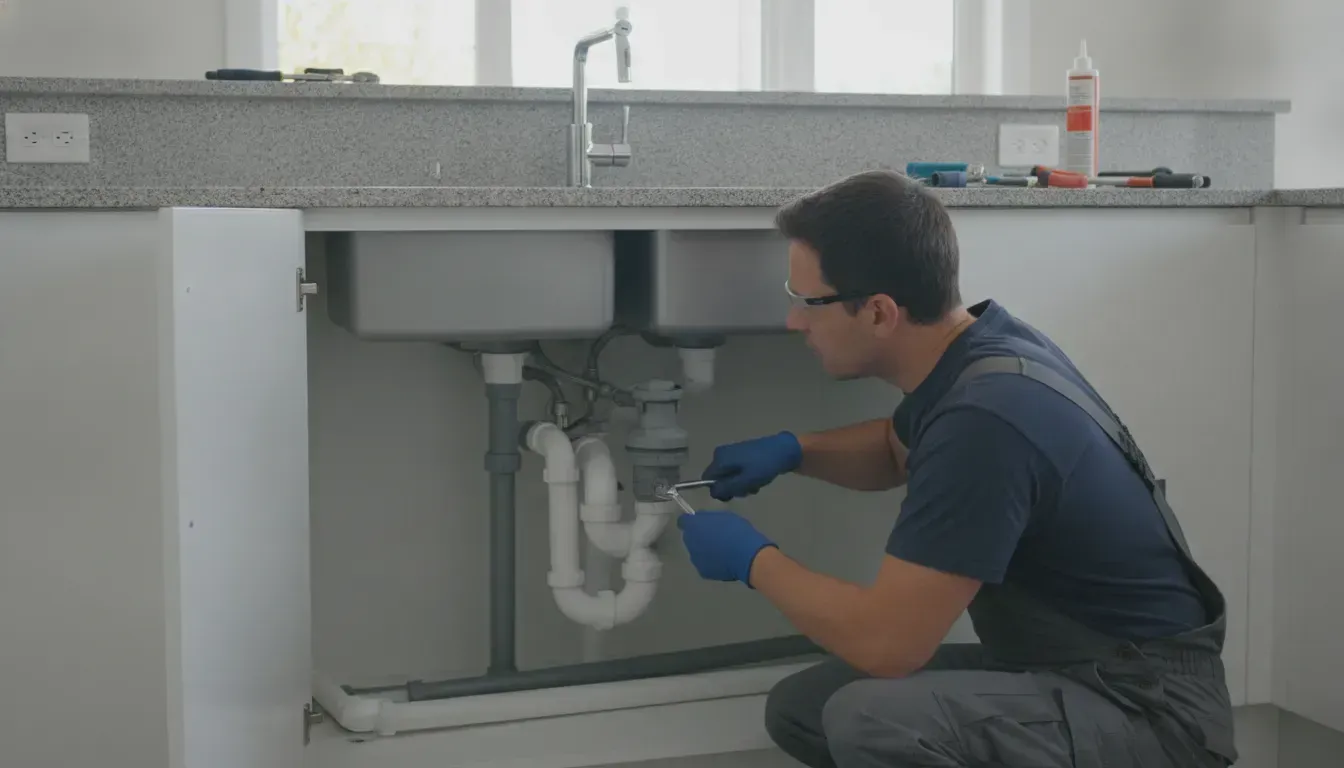
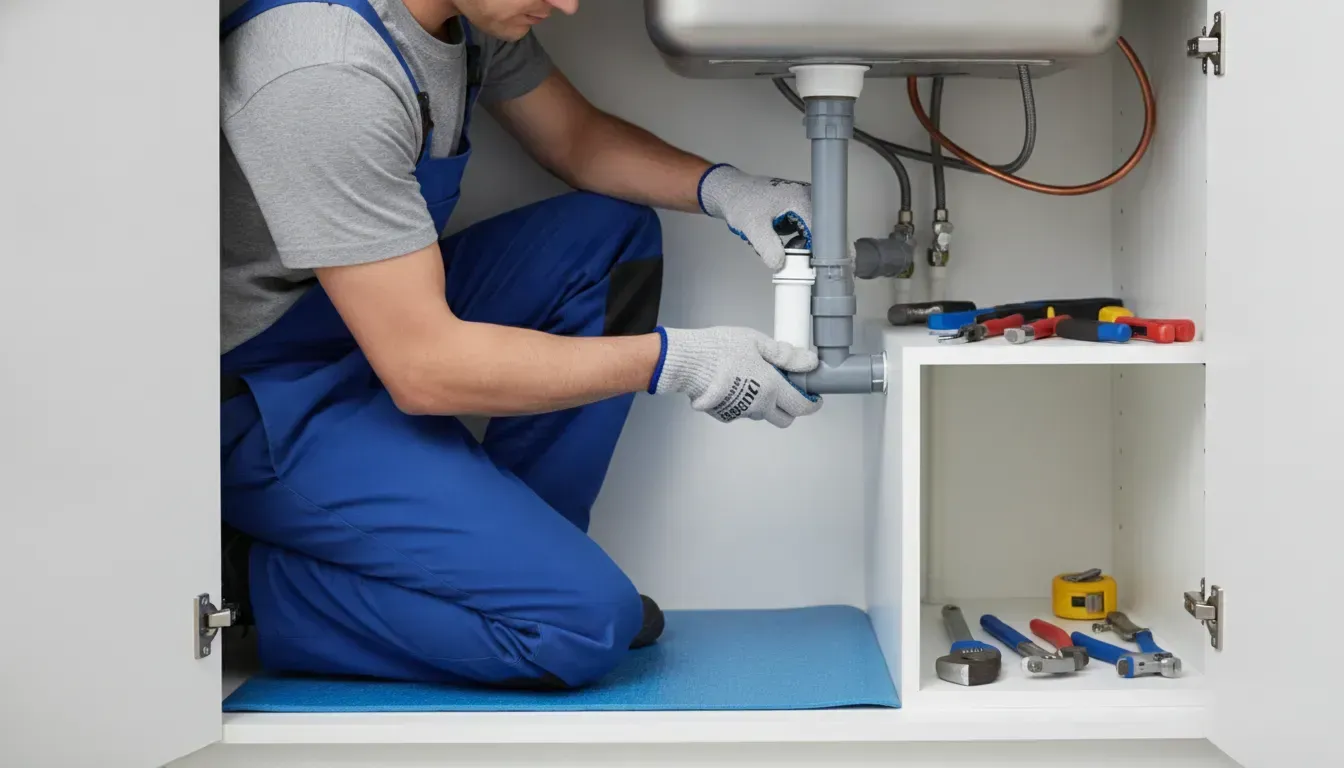
The air admittance valve code guide confirms that these devices are an approved alternative to traditional vent piping under certain conditions. Most areas across North America accept these valves under the International Plumbing Code and the International Residential Code. To maintain compliance, every valve must conform to ASSE 1051 for single fixtures or ASSE 1050 for multiple fixtures. Proper installation requires placing the device at least four inches above the trap arm and keeping it accessible for maintenance. According to the Washington State Building Code Council, these valves must also sit six inches above any insulation. Following these rules ensures that your plumbing system protects against sewer gases while meeting safety standards.
Air Admittance Valve Code Guide: What Is an Air Admittance Valve? Definition and How It Works
An air admittance valve, or AAV, is a small tool that helps a plumbing system breathe. It is a one-way valve used to vent plumbing fixtures. Plumbers often use them as an approved other way to old vent pipes that must go through the roof. These valves are common in new homes and big building jobs because they make plumbing work far simpler.
How the Valve Operates
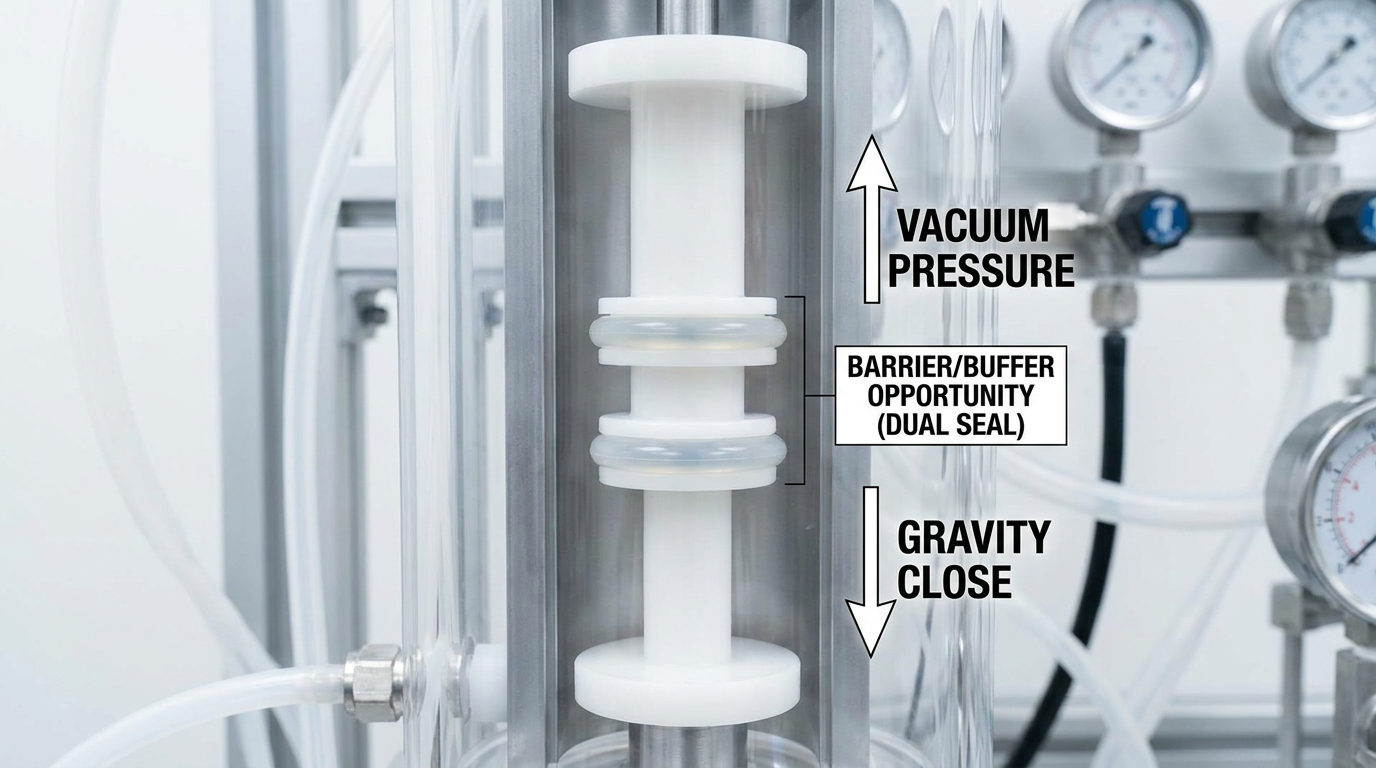
The valve stays closed by default. It uses a seal that sits tight because of its weight. When you flush a toilet or run a sink, water moves through the pipes. This movement creates a small vacuum or negative pressure. Once this pressure hits about -0.01 psi, the valve opens. It lets air enter the system to balance the pressure.
The valve only lets air in. It does not let sewer gas out. This is key for safety. As soon as the air pressure in the pipes is equal to the air in the room, the seal drops back down. Gravity pulls the seal shut. This simple process keeps your home safe and keeps the air fresh.
How Traps Stay Safe
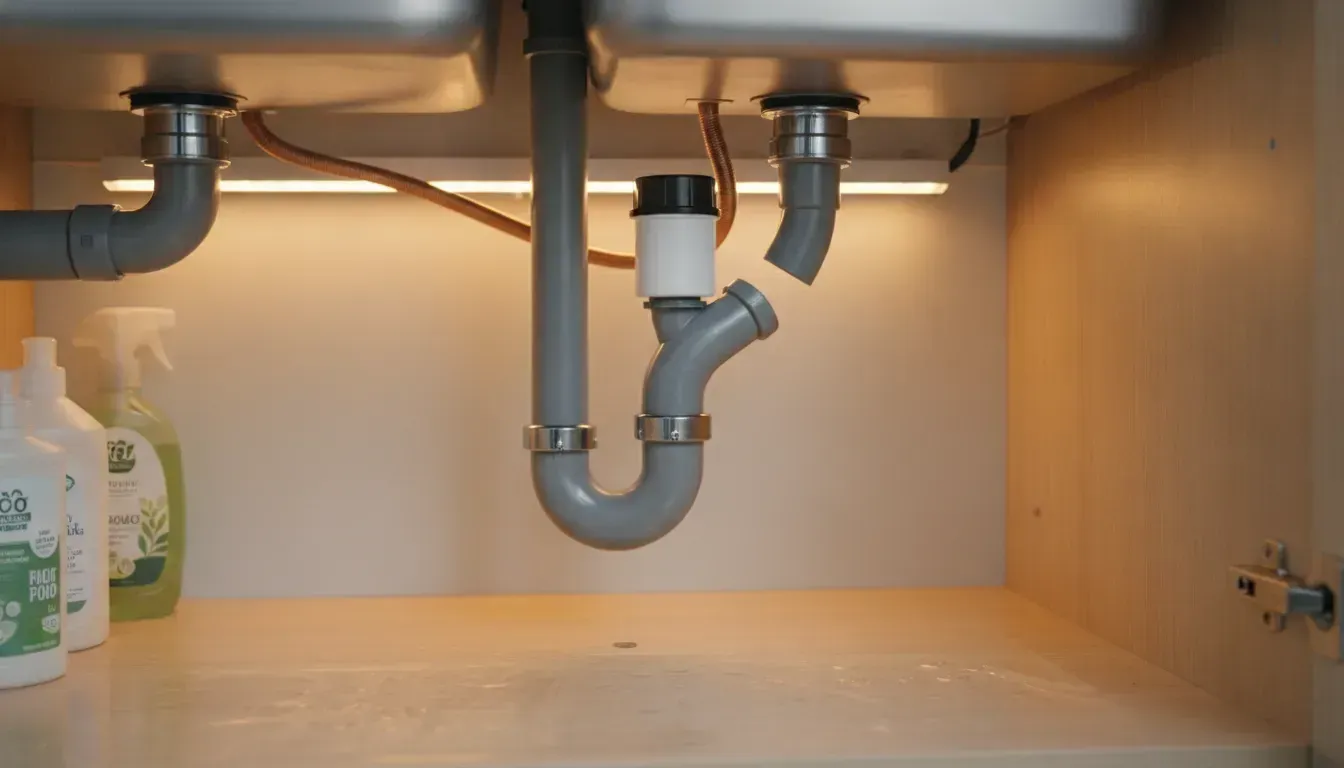
Every sink and tub has a P-trap. This trap holds a small amount of water to block sewer smells. If a system does not have good venting, the moving water can pull that trap dry. This is called siphoning. AAVs protect plumbing fixture traps by letting air in at the right time. This prevents the vacuum from pulling water out of the trap.
By keeping the trap full, the valve stops sewer gases and bad smells from entering your living space. This is a core part of how air admittance valves work to keep your home safe. They are helpful in spots where it is hard to run a pipe all the way to the roof. You can find them under sinks, in kitchen islands, and in attic jobs.
AAVs Versus Old Vents
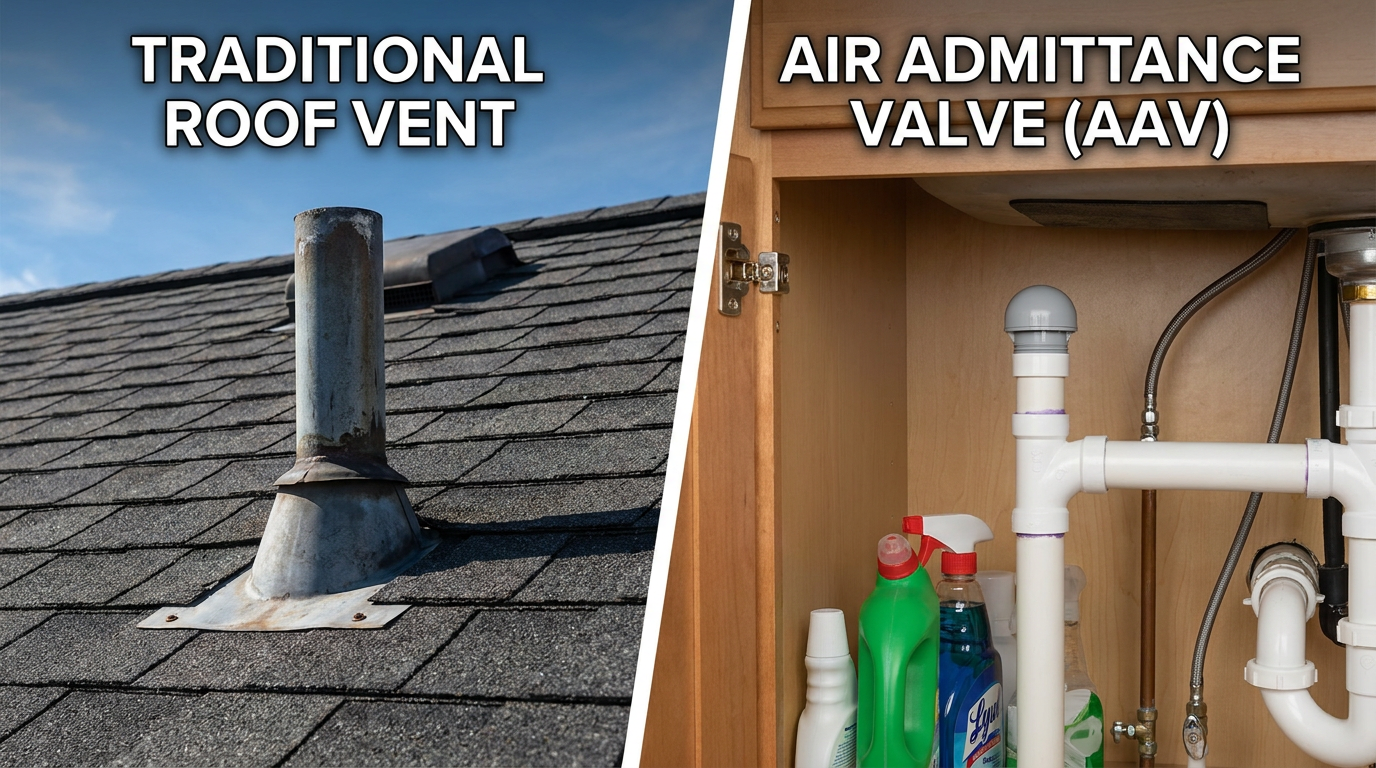
Old plumbing systems use a vent stack. This is a long pipe that goes from your drain lines up through the roof. It uses air from outside to keep the pressure stable. While this works well, it is hard to install. It requires cutting holes in the roof and running long pipes through walls. This can cost a lot in big buildings or during a home remodel.
An AAV offers a much easier path. It is a local way to vent. This means it sits right near the fixture it serves. It pulls air from the room or the wall cavity instead of from the roof. This saves money on parts and labor. It also cuts the number of holes in your roof, which lowers the risk of leaks over time. Knowing more about this dual-seal air admittance valve can help you choose the best setup for your next job.
Air Admittance Valve Code Requirements Under IPC, IRC, and UPC
Plumbing codes set strict rules for using an air admittance valve (AAV) in a home or building. These codes ensure that the drainage system stays safe and handles sewer gas correctly. Most states in the North American market follow one of three main code sets to guide these setups.
International Plumbing Code Standards
The International Plumbing Code (IPC) is the most common set of rules. Section 918 of the IPC governs how you can use an air admittance valve code guide to vent fixtures. More than 35 states adopt the IPC for their plumbing standards. Under this code, you can use AAVs for individual vents, branch vents, and stack vents in most residential and commercial buildings.
One vital rule in IPC Section 918.7 is that every building must have at least one open vent pipe. This pipe must extend to the outdoors to relieve positive pressure in the system. You can read more about these rules on the International Code Council website. This outdoor vent works with your AAVs to keep the plumbing system balanced.
Residential and Uniform Plumbing Codes
The International Residential Code (IRC) applies specifically to one- and two-family homes. Section P3114 of the IRC mirrors the IPC rules for AAV use. It permits an air admittance valve to vent individual fixtures, branch vents, and wet vents. This flexibility helps contractors and DIYers install sinks or tubs where traditional roof venting is hard to reach.
Some western states use the Uniform Plumbing Code (UPC). For a long time, the UPC was more restrictive about AAVs. But Section 301.2 and Section 913 of the UPC now provide a path for their use. The code requires that the valve stay within a set distance from the fixture trap. This distance depends on the pipe size and is often called the maximum developed length of the vent.
Compliance with ASSE Standards
To meet code, an AAV must pass specific tests. Most codes require the valve to meet the ASSE 1051 or ASSE 1050 standards. ASSE 1051 covers valves used for a single fixture. ASSE 1050 applies to valves that serve multiple fixtures or stacks. Using a valve that meets these marks ensures it will open and close reliably for years. Following an air admittance valve code guide helps you pick the right parts for your project.
ASSE 1050 vs ASSE 1051: Understanding AAV Certification Standards
Every air admittance valve must meet strict rules to work well in a home. The American Society of Sanitary Engineering (ASSE) sets these rules. For most jobs, you will see two main standards: ASSE 1050 and ASSE 1051. These labels tell you how much air a valve can move and where you can put it. Plumbing codes like the IPC and IRC use these terms to make sure your drains vent safely.
The role of ASSE 1051
Most small plumbing tasks use ASSE 1051 valves. These are made for single fixtures or small branch lines. You might use one under a kitchen sink or for a new bath tub. This dual-seal air admittance valve meets ASSE 1051 rules. It opens when water flows to let air in, then seals tight to keep sewer gas out. This standard ensures the valve works at a low pressure and lasts for years.
When to use ASSE 1050
ASSE 1050 valves are for bigger jobs. These are known as stack-type valves. They can vent more than one fixture at once and handle a higher load of waste water. You often see them at the top of a vent stack in a multi-story house. According to plumbing code guidelines, stack-type valves must be six inches above the flood rim of the highest fixture. This keeps them safe from spills and clogs.
Standard comparison and DFU limits
The main difference between these two rules is how they handle drainage fixture units (DFU). Each fixture has a DFU score based on how much water it drains. A valve that meets ASSE 1051 is usually for small branch lines with a low DFU. ASSE 1050 valves can handle a whole stack with many more units. Check the air admittance valve technical specifications to find the DFU rating for each model before you buy.
| Feature | ASSE 1050 | ASSE 1051 |
|---|---|---|
| Primary Use | Stack venting | Individual or branch venting |
| Fixture Count | Multiple fixtures | Single or small group |
| Height Rule | 6 inches above flood rim | 4 inches above trap arm |
| DFU Range | High capacity (stacks) | Lower capacity (branches) |
Choosing the right valve keeps your home safe and up to code. ASSE 1051 is the most common for simple fixes and sink vents. If you are venting a whole bathroom group or a main stack, look for an ASSE 1050 mark. Both types must be in an area with fresh air and easy access for future checks.
How to Choose the Right AAV Size: DFU Ratings and Capacity
Selecting the correct size for an air admittance valve technical specifications depends on the drainage fixture unit (DFU) load of your plumbing system. A DFU measures the volume of waste water a fixture sends into the drain lines. Local plumbing codes require that every valve has a rating that matches or exceeds the total load it serves. This ensures the device provides enough air to prevent siphonage in the trap.
Understand DFU Ratings for Pipe and Valve Sizing
You must calculate the total DFU load of all fixtures connected to the vent line before you buy a valve. Common fixtures like bathroom sinks usually carry a 1 DFU load, while kitchen sinks or showers can carry 2 DFU. Larger fixtures or groups of fixtures will increase the total demand on the venting system. According to the Uniform Plumbing Code, you must rate each valve for the specific application it serves.
Choosing a valve that is too small for the load can lead to slow drains or trap failures. Most residential projects use 1-1/2 inch or 2 inch valves to meet these needs. You should always check the manufacturer data to confirm the capacity for both branch and stack venting. This data tells you if the valve can handle the air flow needs for a single sink or a whole bathroom group.
Capacity for 1-1/2 Inch vs 2 Inch Valves
Valve size usually follows the diameter of the drain pipe it attaches to in the system. A 1-1/2 inch air admittance valve often serves as an individual vent for single fixtures. These compact units typically handle up to 8 DFU when used on a vent stack. They are ideal for kitchen remodels or adding a new laundry sink where traditional venting is hard to install.
Larger 2 inch valves provide more capacity for branch lines or multiple fixtures. These valves often carry a rating of 10 to 12 DFU for stack applications and much higher ratings for horizontal branches. Professional plumbers often use these larger units for bathroom groups that include a toilet, tub, and sink. Matching the valve capacity to the fixture load keeps the system compliant with the national air admittance valve code guide standards.
Match Valve Size to Your Plumbing Application
The placement of the valve also changes how you calculate the required DFU rating. A valve on an individual fixture vent only needs to cover the load of that one trap. But a valve used for a branch vent must handle the sum of all fixtures on that branch. Codes like ASSE 1051 cover these individual and branch uses to ensure safe operation. Using the right size protects the home from sewer gas and odors.
For large commercial jobs or multi-story stacks, you may need a high-capacity unit. These specialized valves can handle hundreds of DFUs on a single branch. Most standard home projects will be safe with a high-quality 1-1/2 inch or 2 inch dual-seal valve. Always verify the specific DFU limit on the product box or the technical sheet before you start the installation.
AAV Installation Requirements: Height, Location, and Code Compliance
To set up a vent right, you must follow the local rules. An air admittance valve code guide is a vital tool for any plumbing job. These valves act as a one way door for air. They let air in to stop a vacuum but stay shut to block sewer gas. If you miss a step, your sink or tub might drain slow or smell bad.
Height and Clearance Rules
Proper height is the first rule for a safe install. Most codes say the valve must sit at least four inches above the trap arm. This space keeps the seal away from gray water. If the pipe fills up, the gap protects the valve from waste. This height is a key part of the plumbing code requirements for vents.
Clearance from other items also matters for the valve to work. If you put a valve in an attic, you must watch for insulation. The device needs to be six inches above any loose fill or fiberglass. This rule stops small bits of dust from getting inside the unit. A clean valve can open and close with ease for many years.
Easy Access and Location Rules
You must be able to reach the valve for a quick check or to swap it out. Never bury a valve behind a dry wall or under a floor. If you hide it, you must use a small door or a panel. This allows you to find it if there is a problem later. The space must also have enough air to feed the vent when water flows.
The spot where you put the fixtures is another big point in the code. Every sink or tub on the vent line must be on the same floor as the valve. This keeps the air pressure in the pipes level. If you follow the air admittance valve installation guidelines, you can avoid common errors. Good plans ensure that your drain system works without a hitch.
Step-by-Step Code Guide
Good plumbing takes more than just joining pipes. You must follow the laws that keep your home safe from gas. Each step in the process has a clear goal for safety and health. Use this list to guide your work and pass your next inspection with no issues.
- Set the valve at least four inches above the flat branch drain or trap arm. This height keeps the inner parts dry even when the sink is full.
- Mount the unit six inches above any insulation found in the attic or walls. This gap prevents debris from clogging the air intake holes on the valve body.
- Check that the valve is easy to get to after the walls are closed. Use a vent plate or a door so you can care for the device in the future.
- Place the valve in an upright spot with no more than 15 degrees of lean. Gravity must be able to pull the seal down to stop sewer gas leaks.
- Ensure all fixtures served by the vent are on the same floor level. This layout keeps the balance needed for the vent to work as the code says.
- Measure the pipe to stay within the max length for the vent line. Refer to Table 703.2 in your local code book for the exact limits.
Using a code guide makes the job faster for pros and owners. These rules protect your family from bad smells and loud pipes. When you do it right the first time, you save cash and time on repairs later. Stick to the standards to build a system that lasts a long time.
Dual Seal vs Single Seal Air Admittance Valves: Why Redundancy Matters
Choosing the right valve for your drain system is about more than just a good fit. It is about safety and long-term use. Most brands on the market use one seal to block sewer gas. This seal opens to let air in and closes to keep gas out. While this works, it leaves no room for error. If that one seal fails, bad smells can enter your home or office. Good venting must protect trap seals from siphoning. To do this well, you need a valve that stays closed when it should.
The Risk of Single-Seal Failures
Single-seal valves have a known history of failing over time. Small bits of dust or hair can get stuck in the seal. When this happens, the valve cannot close all the way. Studies show that single-seal models lead to many callbacks for plumbers. Some experts say these callback rates are as high as 15 to 20 percent. For a plumber, these trips waste time and money. For a homeowner, a failed seal means a smelly bathroom or kitchen. Many codes, like the Uniform Plumbing Code, say you must be able to reach these valves for easy repair.
The Advantage of Dual-Seal Technology
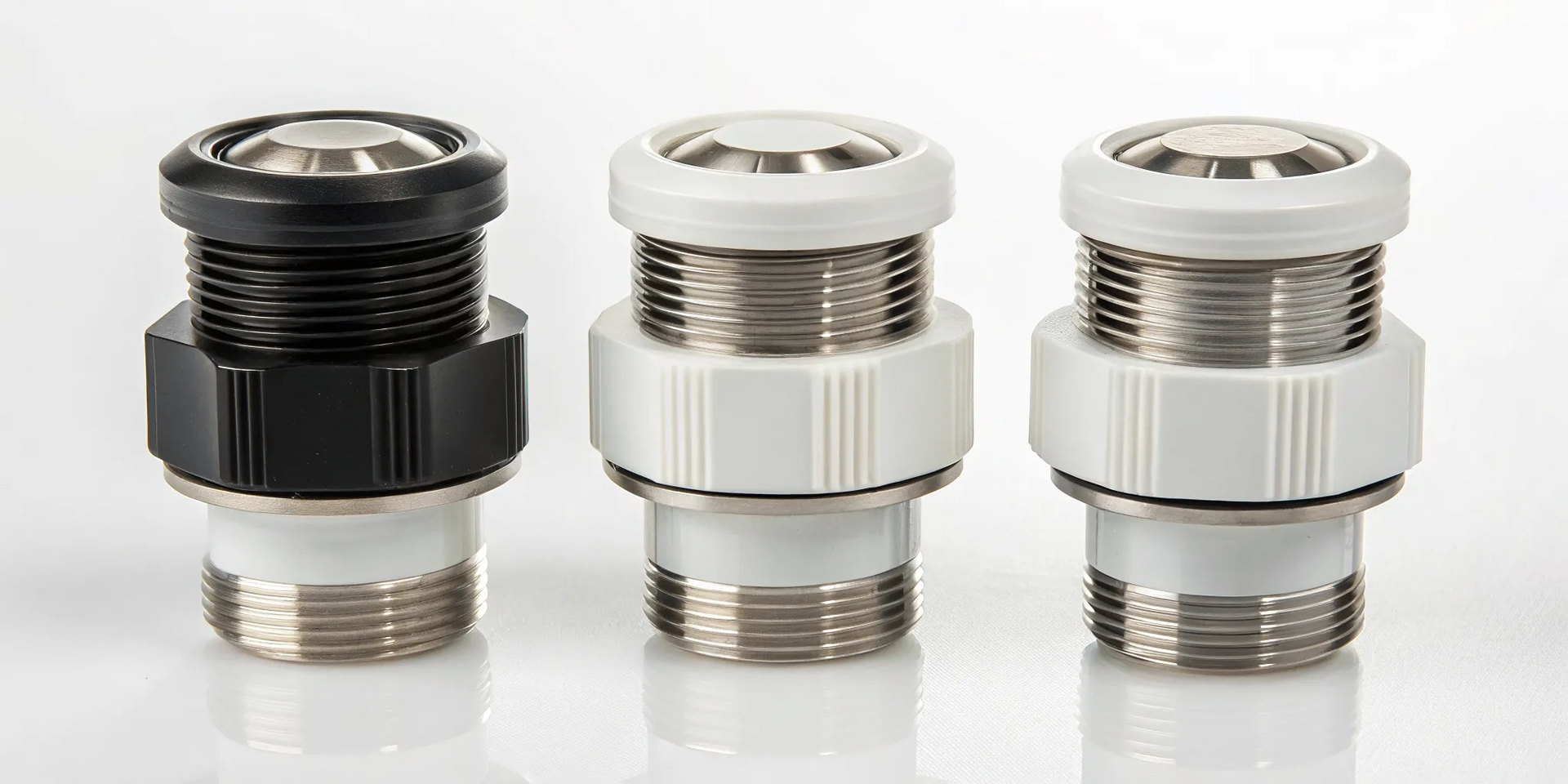
A dual-seal air admittance valve uses two seals instead of one. This adds a layer of safety. If the first seal has a leak, the second seal still blocks the gas. This adds a backup to the system. It is the same way a car has two sets of brakes. Tuuber uses patented Dual-Seal 20 technology to give you this extra help. This design helps the valve last longer and work better in tough spots. It is a simple way to avoid the stress of a failing vent system. It also helps you meet the needs of a strict air admittance valve code guide.
A second seal also helps the valve handle air pressure changes better. It keeps the trap seal safe from siphoning. This keeps your home safe from sewer gases. Because these valves work so well, they often come with better terms. For example, Tuuber offers a Limited Lifetime Warranty on its products. This shows how much they trust the dual-seal design. You can see how the two types compare in the table below.
| Feature | Single-Seal AAV | Dual-Seal 20 AAV |
|---|---|---|
| Seal Count | One seal | Two seals |
| Backup Seal | None | Built-in backup |
| Estimated Callbacks | 15% to 20% | Less than 1% |
| Warranty | Short term | Limited Lifetime |
| Gas Protection | Standard | Double layer |
Using a dual-seal model is a smart move for any pro. It cuts down on risk and keeps clients happy. It is the only way to get true peace of mind with a mechanical vent. While other valves might meet the basic code, only one gives you a backup seal. This makes a big difference in the life of a building.
AAV Applications: Residential, Commercial, and Specialty Configurations
Plumbing systems use a dual-seal air admittance valve to vent drains in many settings. These valves provide a mechanical way to let air into the waste system without a vent stack. Most codes require these tools to meet high standards for safe use in all building types. They work well for homes, stores, and large work sites.
Residential Use and Remodels
In homes, people often use these valves for under-sink drains in kitchens and bathrooms. They are helpful for island sinks where running a pipe through the roof is hard. Homeowners find them to be a simple way to use how air admittance valves work for venting problems during a remodel. You can set them up without opening walls to reach the roof.
Modern building rules allow these valves for single fixtures on the same floor level. The plumbing code permits them to end vents for wet vents. This makes them a top choice for adding a new bath or sink in a basement. You must keep the valve four inches above the trap arm to keep it dry and clear.
Commercial Building Maintenance
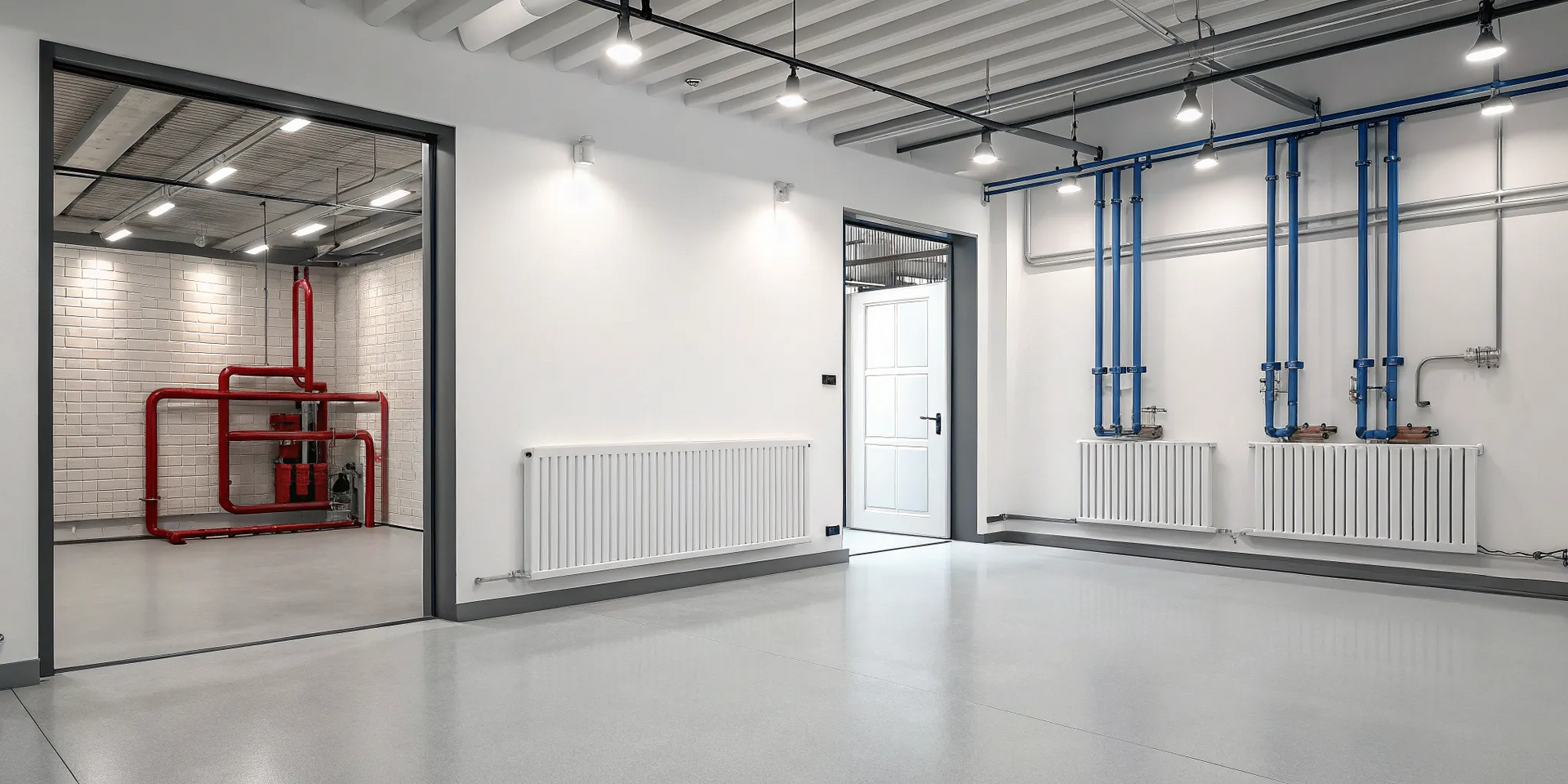
Large buildings use these valves to keep water flowing in many pipe stacks. Staff use them as a long-term fix for old or failing single-seal valves. In these areas, the valves must be in spots where air can move. Using a air admittance valve installation guidelines helps to keep the tool ready for checks. A dual-seal can help stop gas leaks in busy spots.
Large sites often have pipe layouts that make old venting ways cost too much. These valves help by cutting the amount of pipe needed in a big building. They must be set six inches above any insulation to work right. Following the ASSE 1051 standard is key for valves used for one fixture. This keeps the building safe from gas while saving on costs.
The Tuuber Advantage: Patented Dual-Seal 20 Compliance and Warranty
Choosing the right vent for your plumbing job is more than just looking at the air admittance valve code guide. It is about finding a part that you can trust to work for years. Tuuber stands out because it is the only maker of the dual-seal air admittance valve. This design adds a second layer of safety to your drain lines.
Patented Dual-Seal 20 Technology
Most valves use one seal to block sewer gas, which means odors leak in if it fails. Tuuber uses Dual-Seal 20 tech to give you two seals. This gives you two chances to stop leaks and protect the trap. It is like having a backup plan built into every valve you put in.
The design features triple flow passages to help air move fast through the system. This stops the trap seal from siphoning when the water flows. By using this tech, you can lower the risk of callbacks from failed seals. It makes the plumbing system safer and more solid for every user.
Standards for Code Compliance
Every Tuuber valve meets strict rules for safety and value. The parts are built to follow ASSE 1050 and 1051 standards. These rules ensure the valve handles the air flow needed for your fixtures. You can check the air admittance valve technical specifications to see how they fit your needs.
Obeying these codes is a must for any new build or remodel. The valves are approved for use under major codes like the IPC and IRC. By meeting these marks, Tuuber gives you peace of mind that your work will pass the check. You get a tool that fits the law and works as promised.
Warranty and Long-Term Value
Trust is built on how a company stands behind its work. Tuuber offers a Limited Lifetime Warranty on all of its AAV parts. This shows they believe in the grade of their dual-seal design. It protects you and the building owner from flaws in the make of the valve.
Using a long-lasting part saves money over time. You do not have to buy new parts or pay for labor to fix early failures. With a lifetime promise, you can be sure you are getting a top-tier vent for your project. This makes Tuuber a smart choice for any plumbing pro or DIY user.
Frequently Asked Questions
Are air admittance valves allowed by code?
Yes, air admittance valves are allowed under the International Plumbing Code and International Residential Code. These tools give a safe way to vent pipes when you follow local rules. Most areas in North America allow them for home and business use. You should always check with your local building office. Some towns have specific limits on how to use them in certain plumbing systems.
How high above a trap should an air admittance valve be?
Most plumbing codes say an air admittance valve must be at least four inches above the pipe or trap arm it vents. This height keeps the valve clear of any waste or water backups. If you put it in an attic, the valve must be at least six inches above the top of the insulation. Proper height is key to let the tool pull in air without any blocks.
Do air admittance valves meet ASSE 1050 and 1051 standards?
High-quality air admittance valves must meet ASSE 1051 for single vents and ASSE 1050 for vents with many fixtures. These rules make sure the tool works well to stop bad smells and gases. As shown in plumbing code sections, picking a valve that meets these tests is a rule for legal work. Using the right valve keeps your home safe and helps the vent last.
Where can air admittance valves be installed in a home?
You can put air admittance valves in many spots, such as under sinks or in kitchen islands. They work well when it is hard to run a vent pipe through the roof. Each valve must be easy to reach for future fix work. It also needs to be in a spot with enough air. You must also keep the valve on the same floor as the sinks or tubs it vents.
What is the difference between a cheater vent and an AAV?
A cheater vent is a simple spring-loaded device that often fails to meet strict building codes. In contrast, an air admittance valve is a precision tool that uses gravity to seal against sewer gases. True valves meet ASSE tests and are allowed for use in most homes. While both tools allow air into the pipes, only an approved valve provides the safety and long life needed for a good plumbing system.
Find the Right Code-Compliant AAV for Your Project
Every plumbing project has unique venting demands, and choosing the wrong air admittance valve can lead to code failures, callbacks, and compromised system performance. Tuuber's patented Dual-Seal 20 technology delivers dual-seal redundancy that complies with ASSE 1050 and ASSE 1051. Giving you confidence that every install meets North American code requirements from day one.
Explore the full line of code-compliant dual-seal air admittance valves to find the right DFU rating, pipe configuration, and assembly for your next job. Need help selecting the right model? Call (877) 788-8237 to speak with a product specialist.