Dual Seal Air Admittance Valve: Preventing Sewer Gas
A failing plumbing vent seal lets dangerous sewer gas enter a living space. Most pros have seen the results of a single seal that gets stuck or worn down. These small leaks cause big problems for a home.
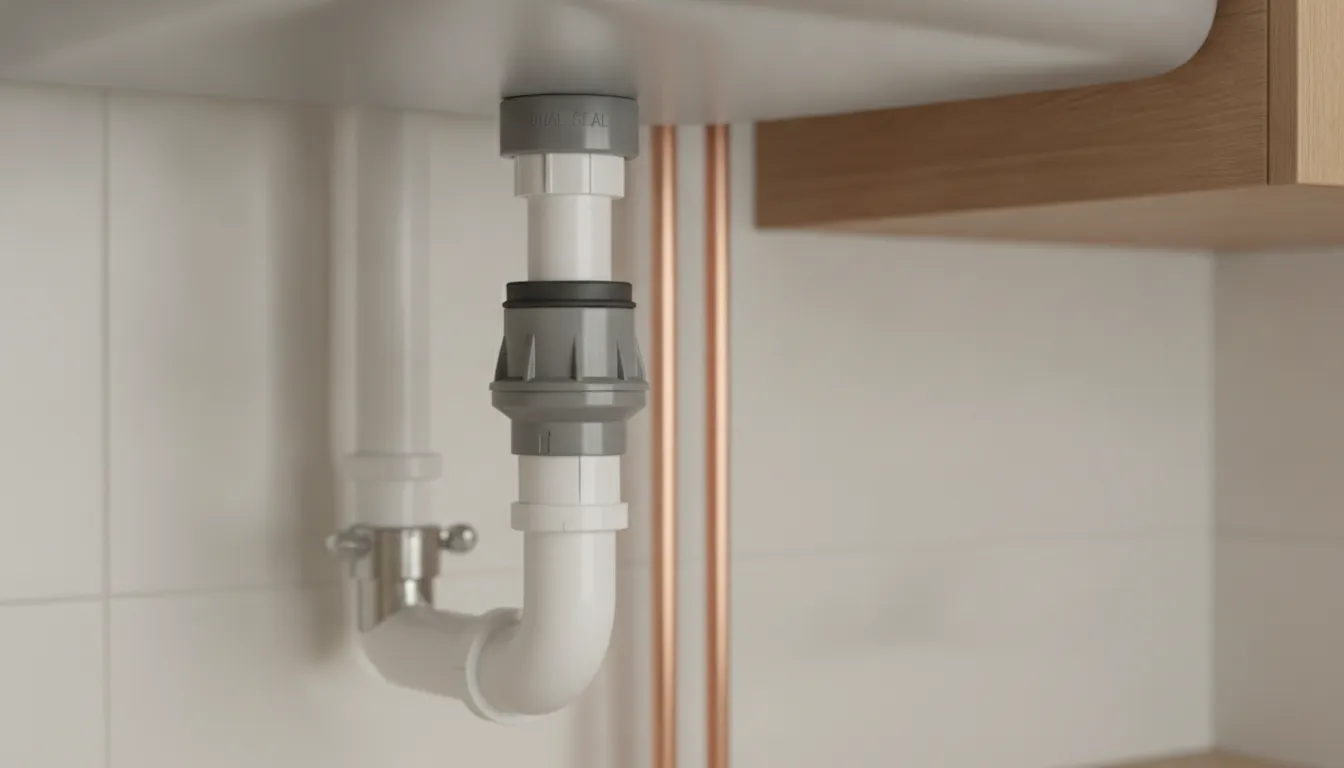
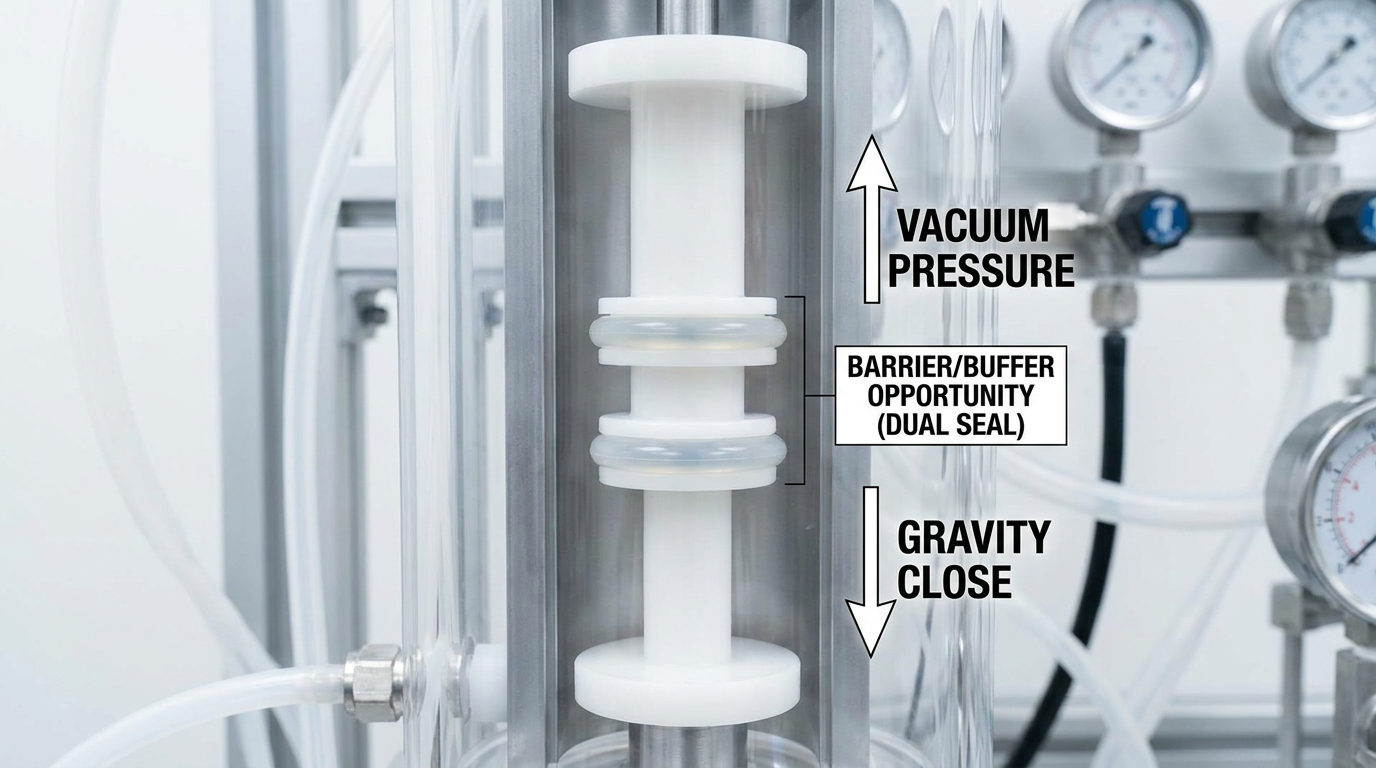
A dual seal air admittance valve provides two layers of safety to stop sewer gas from leaking into a home. While most valves use a single flap to block odors, this valve has a main seal and a second seal that work together. If the first seal gets stuck or wears out with age, the second seal stays in place to keep the system airtight. This extra barrier is why many pros choose the Tuuber Dual-Seal 20 for under-sink drains and island sinks. These valves comply with ASSE codes and handle five psi of positive pressure. Using two parts to block gas cuts the risk of leaks and callbacks for plumbing pros. Find more details in our Air Admittance Valve Education and Code Compliance: The Complete Authority Guide.
Choosing the right vent is vital for any plumbing job. You must know why standard designs fall short to see the value of a dual-seal setup. Learning How a Single-Seal AAV Works -- and Where It Can Fail is the best place to start.
Dual Seal Air Admittance Valve: How a Single-Seal AAV Works -- and Where It Can Fail
Standard air admittance valves act as a one-way gate for air to enter your plumbing system. They use a simple design. This lets air in while keeping sewer gas out of your home. Most brands on the market use a single seal to do this key job. When you flush a toilet or run a sink, the air pressure in the pipe drops. This suction lifts the seal and lets fresh air flow into the drain line. Once the water stops moving, the seal drops back down to block gas from leaking into your living space.
Standard single seal designs
Many top brands use a one-layer approach to venting. Oatey Sure-Vent models often use a silicone membrane known as a Sweet Spot design. This thin layer reacts quickly to small pressure changes. Studor Mini-Vent units use a gravity-based design with an elastomer seal. These parts rely on a single point of contact to keep your air clean. While they meet basic code, they lack a backup plan if that one seal fails to close. You can learn more about how air admittance valves work to see why these designs are so common in North American homes.
Common points of seal failure
Single-seal units face several risks that can lead to gas leaks. Chemical fumes from drain cleaners or sewer gas can cause a thin membrane to warp or crack over time. Also, small bits of dust, hair, or debris can get stuck on the flat sealing surface. This prevents the valve from closing all the way. Mechanical wear is another factor as the seal moves up and down thousands of times during the year. Some brands, such as Sioux Chief, use a spinning actuator to help clear debris. But even these mechanical designs still rely on a single seal to stop odors.
Long term trust concerns
Plumbing codes require these valves to be sturdy for years of service. For example, the Uniform Plumbing Code states that AAVs must seal tight to protect public health. Yet, industry data shows that single-seal AAVs face a 15 to 20 percent failure rate within 10 years of use. This often happens because the soft seal part gets stiff or loses its first shape. When this occurs, sewer smells can drift into your kitchen or bathroom without warning. This is why many pros now look for a dual seal air admittance valve to provide a second layer of safety for their clients.
What Dual-Seal Technology Adds: A Second Redundant Barrier
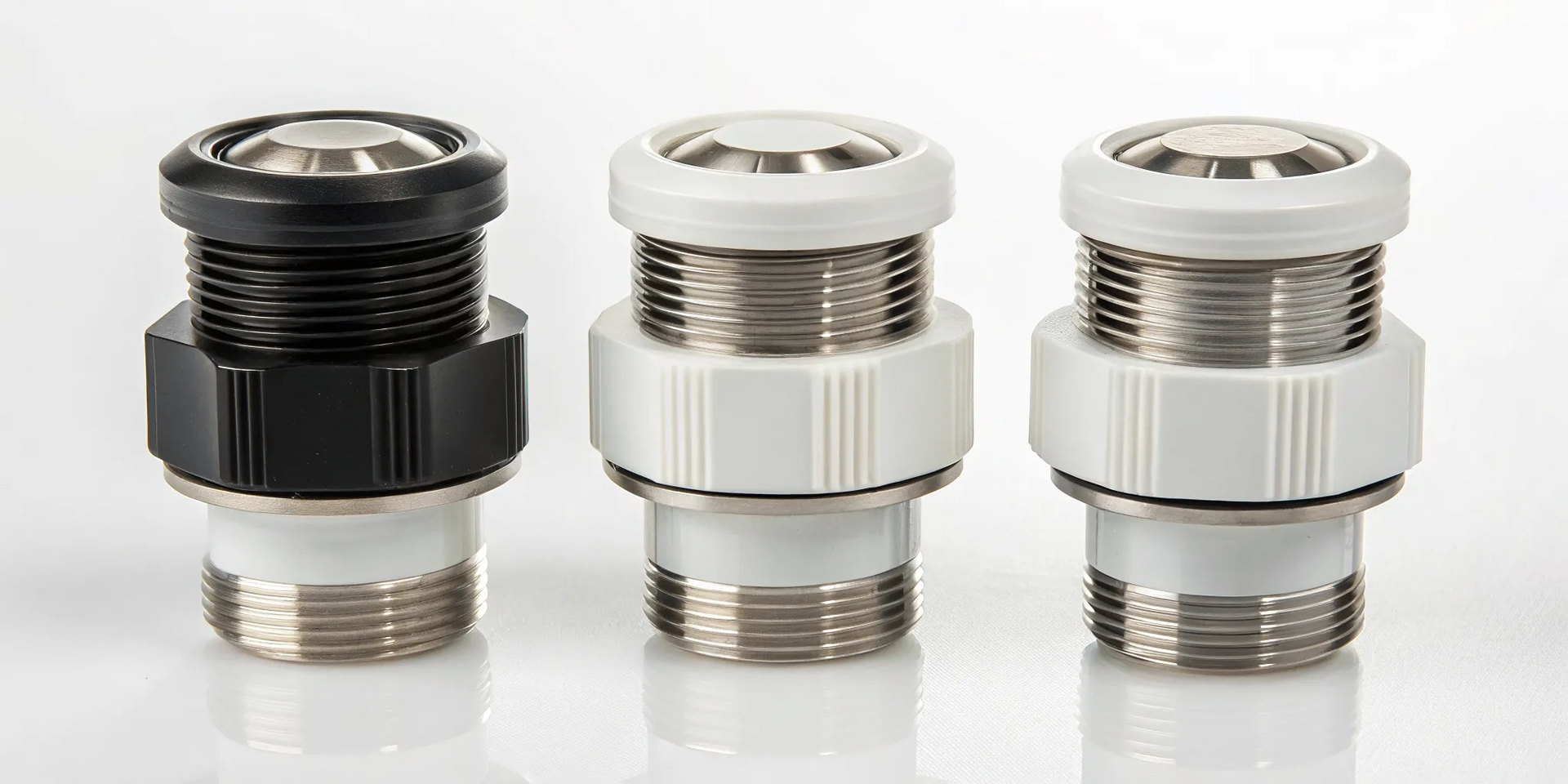
Most vents use one part to keep sewer gas out of your home. If that one part fails, the vent stops working. Tuuber uses a patented dual seal air admittance valve design. This system has two separate seals that work together. You get two barriers instead of one. If the first seal has an issue, the second seal stays shut to keep your air clean.
How the two seals work
The system uses four main parts to create a tight seal. These are the upper seal, the upper valve seat, the lower seal, and the lower valve seat. Gravity holds these seals shut when there is no pressure in the pipes. When you flush a toilet or run a sink, the seals open to let air in. This allows water to flow smoothly through the drain. Once the water stops, gravity pulls both seals back down to their seats. You can see more on the Tuuber AAV features page.
Air admittance valves must comply with ASSE 1051 for single fixtures. This rule ensures that the vent will open and close as needed. Tuuber is built to meet these rules while adding more safety. Positive pressure in the drain line pushes the seals even tighter. This helps the valve stay shut even when sewer gas pressure builds up. The valves are tested to hold at 5 psi without any leaks.
Redundant protection and durability
Chemicals and debris can damage a standard vent over time. If a single seal vent gets a grain of sand on the seat, it may stay open. This can let odors into the bathroom. With two seals, the chance of a leak is much lower. It is rare for both seals to fail at the same time. This second barrier is the core of the Dual-Seal 20 design. It gives a level of safety that single seal vents cannot match.
Tuuber valves do not use springs to stay closed. Springs can rust or lose their tension over time. Instead, the design uses gravity and pressure to keep the home safe. This simple approach leads to a long life for the product. Because of this high build quality, each valve comes with a Limited Lifetime Warranty. This gives peace of mind to both plumbing pros and homeowners.
Triple-Flow Passage Design: Why Tuuber AAVs Resist Clogging
A high-performing dual seal air admittance valve must do more than just seal sewer gas. It also needs to stay clear of debris and build-up to work right over time. Tuuber uses a patented triple-flow passage to solve the common issue of valve clogging. This design features an outer inlet, a middle flow path, and an inner filter to keep the mechanism clean while letting air move freely.
How the triple-flow path works
The Tuuber valve uses three distinct paths for air to enter the plumbing system. The external inlet opening brings in fresh air, which then moves through a middle flow passage. Before the air reaches the seals, it passes through an internal inlet filter. This filter blocks dust and grit that could jam the valve or cause a leak. By using these three stages, the valve protects itself from the harsh environment of a drain system.
Higher flow and better sensitivity
Modern plumbing vents must handle heavy water loads without failing. According to government plumbing codes, an AAV is a one-way valve that opens to allow air in and closes to stop gas. Tuuber's design has a 30% higher flow capacity than standard single-channel vents. It also opens at just -0.01 psi of pressure. This means the valve reacts fast to drain water, which keeps the trap seals safe from siphoning.
Performance for pump systems
The triple-flow design makes these valves a top choice for sewage ejector and sump pump setups. These systems move large volumes of water quickly, which puts stress on the vent. Tuuber valves comply with ASSE 1051 standards for single fixtures and keep working even in high-use settings. The optimized flow dynamics help the valve self-clean during each cycle. This reduces the need for maintenance and ensures the unit stays reliable for years.
Side-by-Side Comparison: Single Seal vs Dual Seal Performance
Choosing the right vent for your sink or tub is a big task. Many people look at how much load a valve can take. This is called the DFU rating.
But a high load rating does not mean your home is safe from sewer gas. A dual seal air admittance valve uses two seals to block odors. Single-seal models only use one. If that one seal fails, bad air can get in through the drain.
Tech Specs for Top Vent Brands
It is helpful to see how the top brands match up. This table shows the details for Tuuber, Oatey, and Studor models. Each one meets the same basic building rules. You can use these specs to find the best fit for your home or shop.
MakerSeal TypeStart ForceBranch DFUStack DFUBack-PressureWarrantyASSE RulesTuuber 1-1/2"Dual-seal-0.01 psi8 DFU8 DFU5 psiLimited Lifetime1050/1051Oatey MiniSingle-seal membrane-0.01 psi24 DFU8 DFUNot listedLimited Lifetime1050/1051Studor MiniSingle-seal elastomer-0.01 psi160 DFU24 DFUNot listedLimited Lifetime1050/1051 Seal Safety vs Load Ratings
You might think a high DFU means a better valve. But these AAV DFU ratings only track how much air the valve moves. Most home sinks only need a small DFU load of two or three units. It is more vital to have a seal that works every time to stop odors.
Tuuber adds a second seal to keep your air clean if the first one fails. Dirt or soap can sometimes get on a valve seat. This can stop a single seal from closing all the way. A dual-seal design has a second layer to stop leaks.
This backup keeps gas in the pipes where it belongs. It provides a safer way to vent your drains without a pipe through the roof. Plumbers often see single seals get stuck over time.
Hair or small bits of debris can prop open the valve. When this happens, the room might start to smell. With a dual-seal valve, you have a second chance to stop the gas. This makes the valve much more safe for long-term use in a home.
Meeting Basic Code Standards
Every vent in this list meets basic rules for safety. These are known as ASSE 1050 and ASSE 1051. A mechanical plumbing vent must pass tests to use these labels.
They must open under a tiny amount of pull to let air in. Then they must close tight to stop gas. All three brands do this well, but only Tuuber has the extra dual-seal safety layer.
These units work in homes and shops across North America. They are great for island sinks or remote tubs where a roof vent is hard to set up. By following the code, these valves help keep your drain system working well.
They save you time and money on your next project. Choosing a valve with a lifetime warranty also gives you peace of mind for years to come.
Which Plumbing Applications Benefit Most from Dual-Seal Design
Plumbing jobs often have tight spots or tricky layouts. A dual seal air admittance valve helps in these cases. It keeps sewer gas out and lets air in. This design works well in many homes and shops.
Island Sinks and Under-Sink Drains
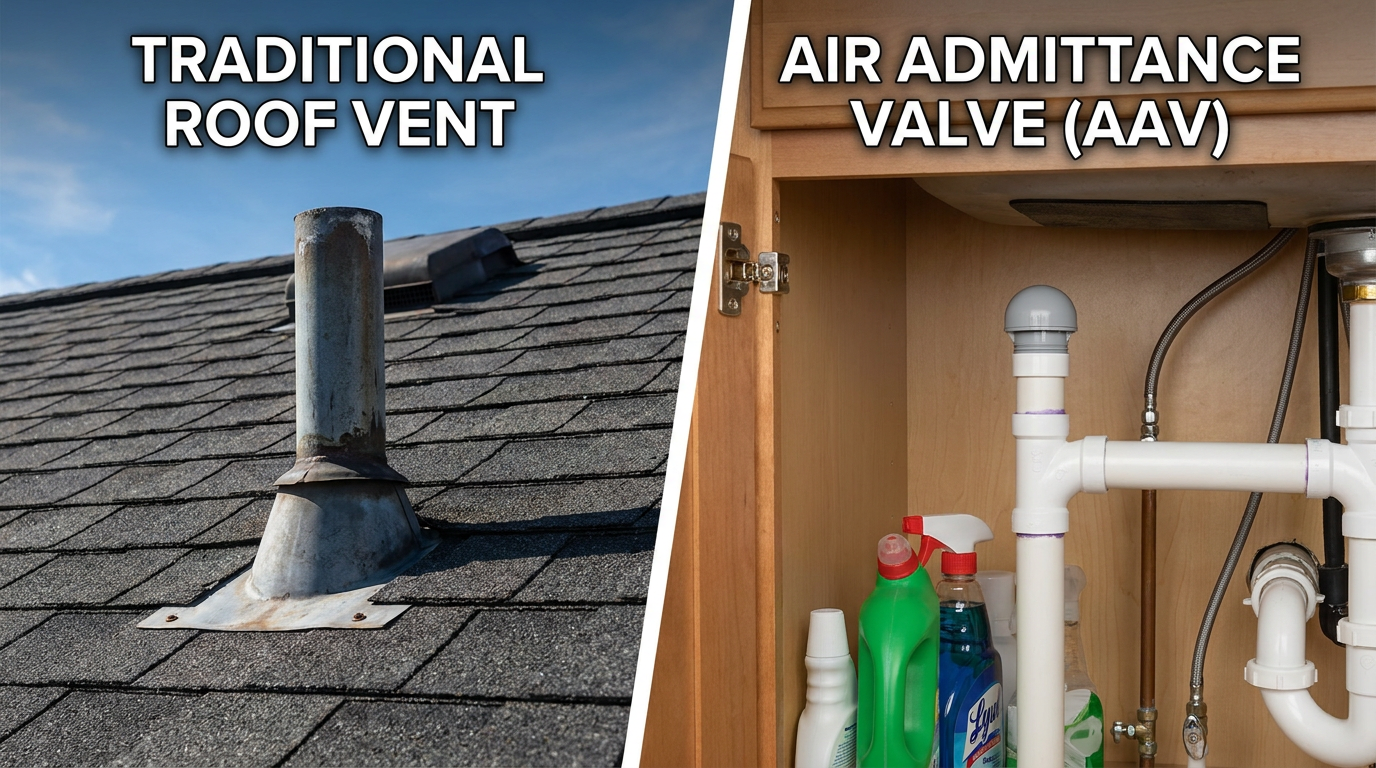
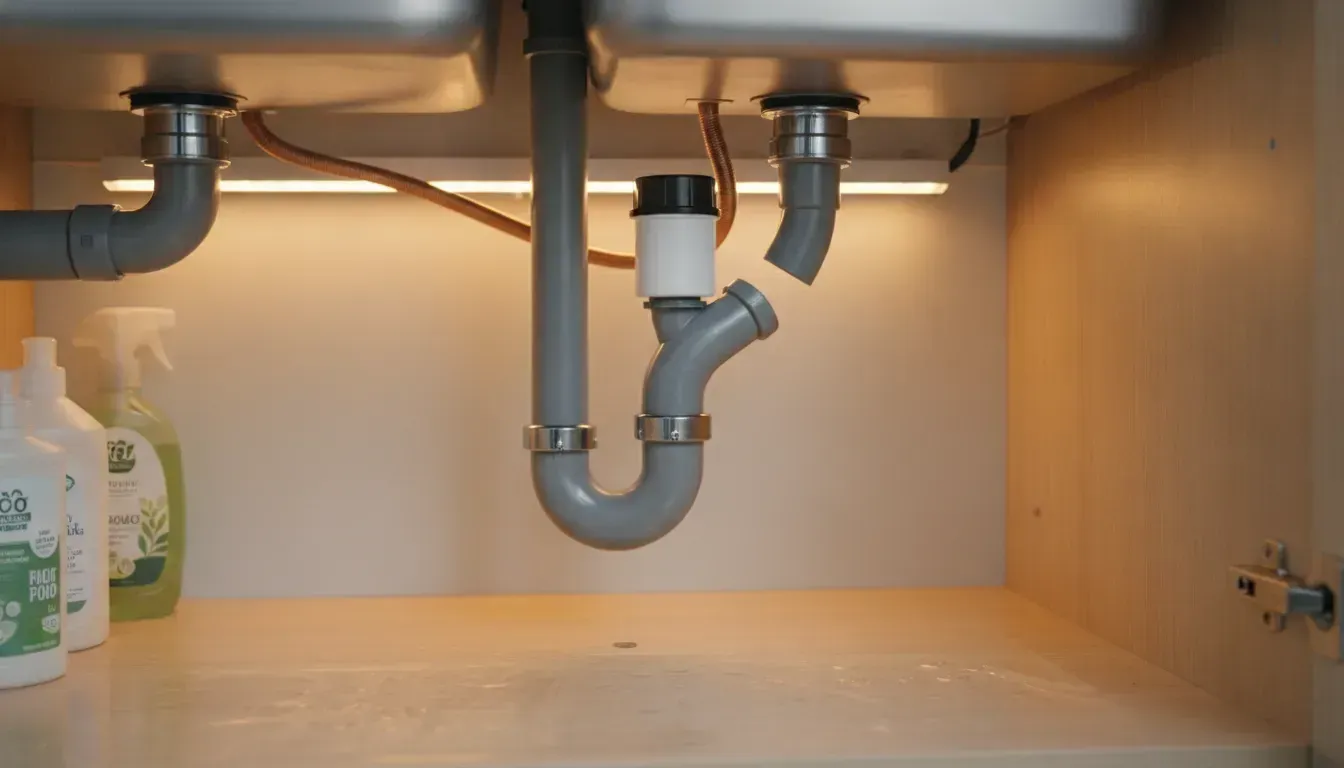
Island sinks are hard to vent because there is no wall for a roof pipe. A dual-seal valve is a great fit here. It saves space and stops odors from coming back up the drain. You can put it right under the sink to keep air flowing well.
Local rules often let you use these valves when structural conditions like beams block a standard vent. This makes them a top choice for kitchen islands. It also helps in under-sink areas where space is tight. You do not have to cut big holes in the roof or walls.
Multi-Fixture Bathroom Groups and Remodels
Adding a new bathroom can be a big job. A dual-seal design can save 30% to 50% on work costs. It cuts down the time spent on running new pipes. This is helpful for remodels where adding roof vents is too hard.
Flow rate is a big deal for bathroom groups. A 1-1/2 inch Tuuber valve can handle 8 Drainage Fixture Units (DFU). This is enough to vent a full public bathroom group that needs only 6 DFU. To follow codes, these valves must comply with ASSE 1050 for multi-fixture use. Tuuber valves meet these rules and give a safe, high-flow fix.
Sewage Ejector and Pump Systems
Pump systems and sewage ejectors move waste fast. This creates big pressure changes in the pipes. Tuuber valves use a triple-flow design to handle this flow. They open at just -0.01 psi to let air in right when the pump starts. This protects your traps from being siphoned.
Tuuber offers special kits to make these jobs simple. These include:
- Tee adapter kits for fast hookups.
- Pre-made trap kits to save time on site.
- Flexible-coupling setups for odd pipe angles.
These kits help pros and DIYers do the job right the first time. The dual-seal tech gives you peace of mind that the seal will hold up over time.
Code Compliance and Installation Requirements for AAVs
National plumbing codes and standards
Most plumbing codes in North America allow the use of a dual seal air admittance valve to vent drain lines. The International Plumbing Code (IPC) Section 918 lets you use these valves if they meet set standards. For homes, the International Residential Code (IRC) Section P3114 gives the green light. More than 35 states now use these codes to make plumbing design easier in new homes and fix ups.
Tuuber valves are made to comply with strict trade rules. They meet the ASSE 1050 rule for stack vents and the ASSE 1051 rule for branch vents. While the Uniform Plumbing Code (UPC) Section 301.2 allows AAVs, some states like California, Nevada, and Oregon have more limits. You should check with your local building office to be sure your plan meets the exact code for your town. This check keeps your work safe and legal for the long term.
Key installation rules for safety
Proper setup is vital to keep your drain system safe from sewer gas and odors. You must follow these steps to meet code:
- Place the AAV at least four inches above the trap arm of the drain.
- Ensure the valve is at least six inches above loose fill in an attic.
- Keep the part in a vertical position, within 15 degrees of a plumb line.
- Only use these valves inside where temperatures stay between -40F and 150F.
This position helps the seal close tight when air is not moving. Every house that uses these valves must have at least one open vent pipe that goes to the roof. According to government building codes, this pipe gives the pressure relief the whole house needs. Do not hide a valve in a wall where you cannot get to it. These tools must stay easy to reach so you can check them for wear later on.
Technical specs for plumbing fixtures
Picking the right valve size and rating is a big part of staying in code. You can find all the facts you need in our AAV technical specifications. These guides show how to match a valve to your sink, bath, or pump. You must look at the DFU load of each fixture to be sure the valve can handle the flow. This step helps you pass your test and stops bad smells from getting into your house.
A dual seal air admittance valve adds a second layer of safety to your waste lines. Standard valves have one seal, but Tuuber adds a back up to stop gas leaks. This design meets all major codes while giving you peace of mind. Using the right tools for your vent system makes the job fast and keeps the air in your home clean.
Frequently Asked Questions
Does a dual seal air admittance valve prevent sewer gas odors?
The special dual seal air admittance valve design is made to stop sewer gas and bad smells from coming into your home. These valves use two different seals that work as a team to create a tight wall. This backup system helps keep your indoor air fresh even if the first seal gets dirty or wears down. According to Tuuber Valves, this design offers twice the sealing power of standard one-way plumbing vents.
How high should an air admittance valve be installed above the trap?
To work the right way, you must install an air admittance valve at least four inches above the trap arm of the fixture. This height helps the valve open and close at the right times during the drain cycle. If you use the valve for a branch or wet vent, it must be at least six inches above the flood level rim of the highest fixture. Per plumbing code, this ensures air can enter freely.
Can I use a dual seal AAV for both residential and commercial plumbing?
Yes, you can use these valves in many types of buildings. They work well for homes, stores, and even some large work spaces. Plumbers often use them for under-sink drains, island sinks, and new bathroom builds. You must make sure the valve meets local codes for the specific job. For example, some valves must comply with ASSE 1051 if they only serve one fixture. Others need to meet different rules for many fixtures.
Why does a dual seal air admittance valve work better than a single seal model?
A dual seal valve is better because it has two layers of protection. A single seal valve only has one part that blocks sewer gas. If that one part fails from debris or wear, smells can leak into your home. The dual seal design uses two different paths to keep gases out. This makes the system much more likely to work for a long time. Based on Tuuber data, this backup sealing helps stop common plumbing leaks in many drain systems.
Ready to Upgrade to Dual-Seal Air Admittance Safety?
Single-seal valves often fail without warning and allow sewer gas to enter your home or job site. These leaks create bad odors and lead to high cost repair work that can hurt your budget. Choosing a dual-seal valve today provides the backup safety that a single-seal design simply lacks. You will save time and money by stopping these issues before they turn into a crisis. Protect your plumbing system now to avoid the risk of gas leaks in the near future. Get the peace of mind you need by switching to a better valve with an extra seal.
Ready to get the best safety? Call (877) 788-8237 to contact Tuuber Valves for product questions and technical support.