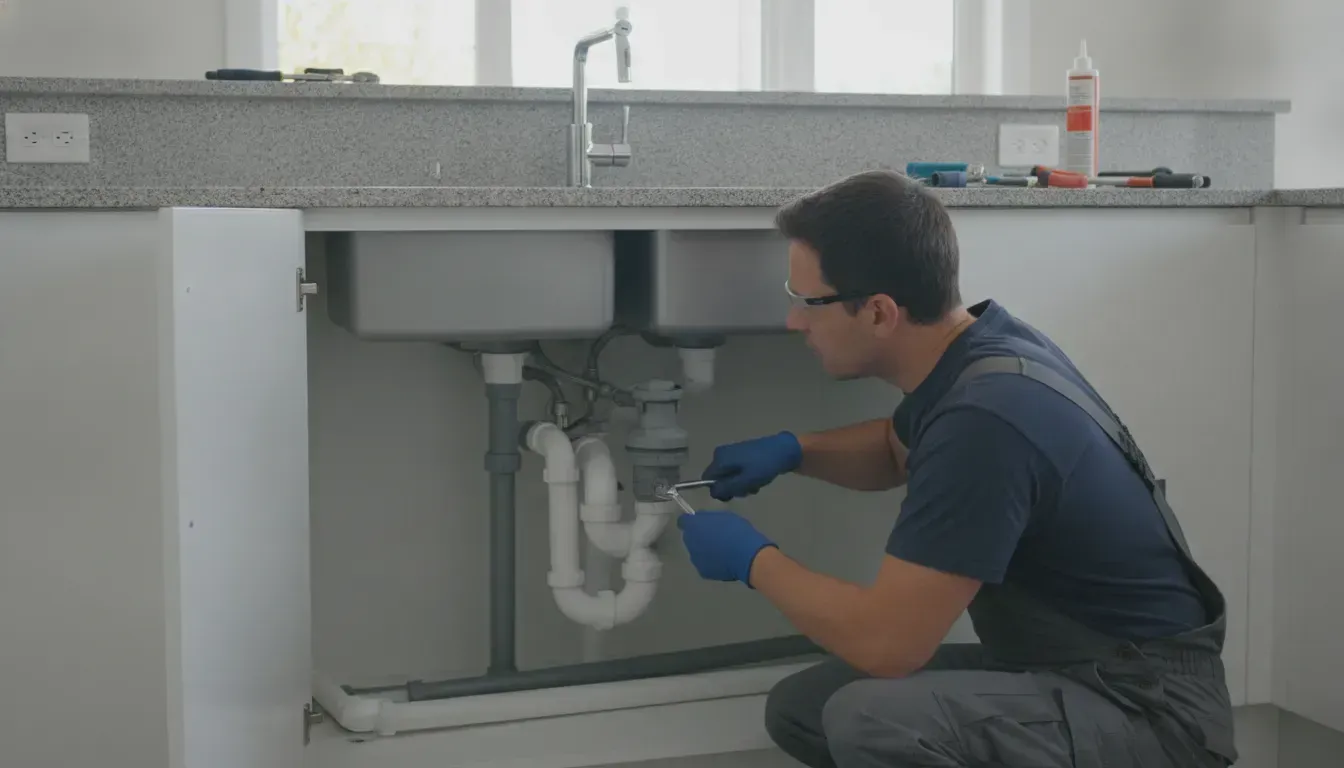
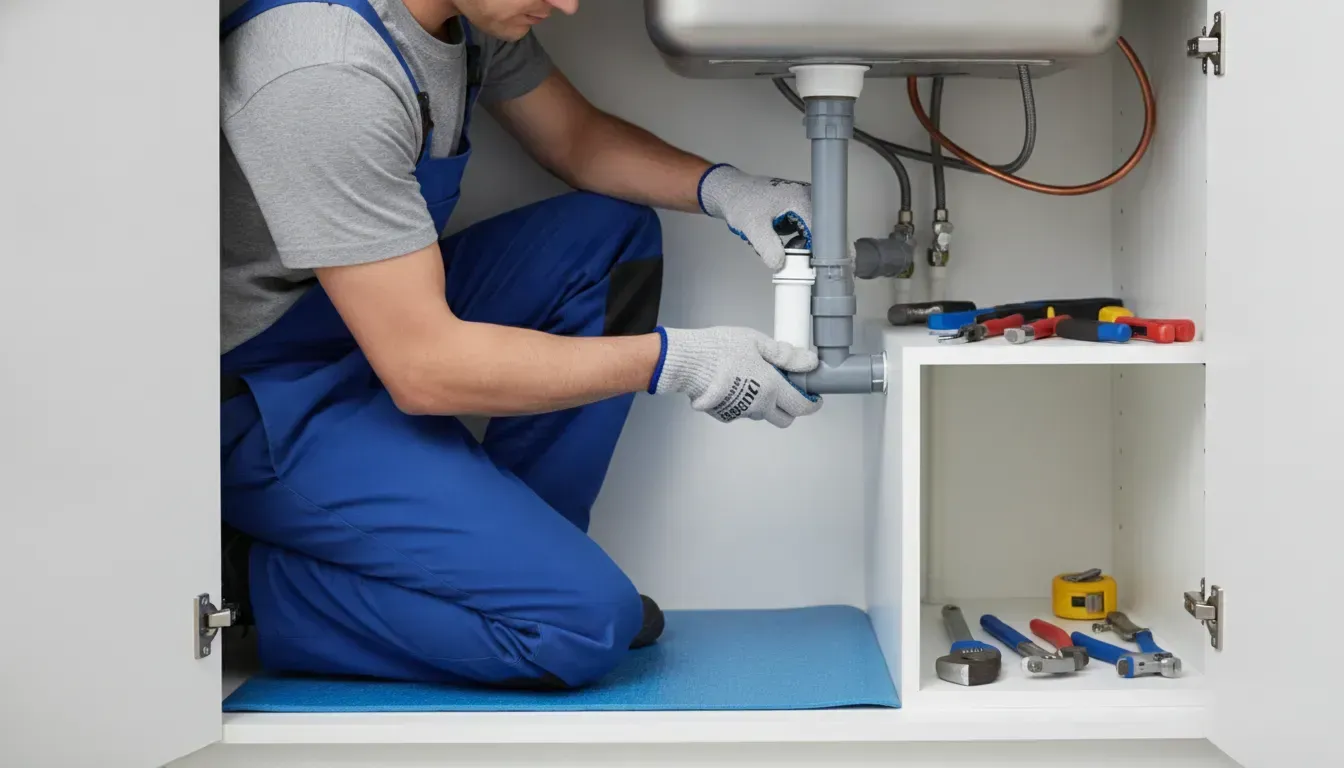
3 Best Air Admittance Valves for Custom Plumbing
When you look at a row of air admittance valves on a store shelf, they can all seem pretty much the same. They’re small, plastic, and promise to solve your venting problems. But the real difference lies inside. The internal mechanics, from the sensitivity of the pressure seal to the materials used, determine how well a valve performs and how long it lasts. A standard valve might work for a while, but a high-performance model offers greater reliability and peace of mind. This is especially true for tricky installations where failure isn’t an option. This article will break down those critical differences so you can make an informed choice and select the best air admittance valve for custom plumbing needs.
Key Takeaways
- Solve tricky venting problems with an AAV : An air admittance valve simplifies plumbing for kitchen islands, basements, and remodels. It lets air into drain pipes to ensure water flows smoothly and blocks sewer gas, all without the need for complex vent pipes running through your roof.
- Installation details are non-negotiable: For an AAV to work correctly, it must be installed vertically, high above the drain, and in an accessible spot. Before you buy, always confirm that AAVs are approved by your local plumbing code and that the valve is certified to ASSE standards.
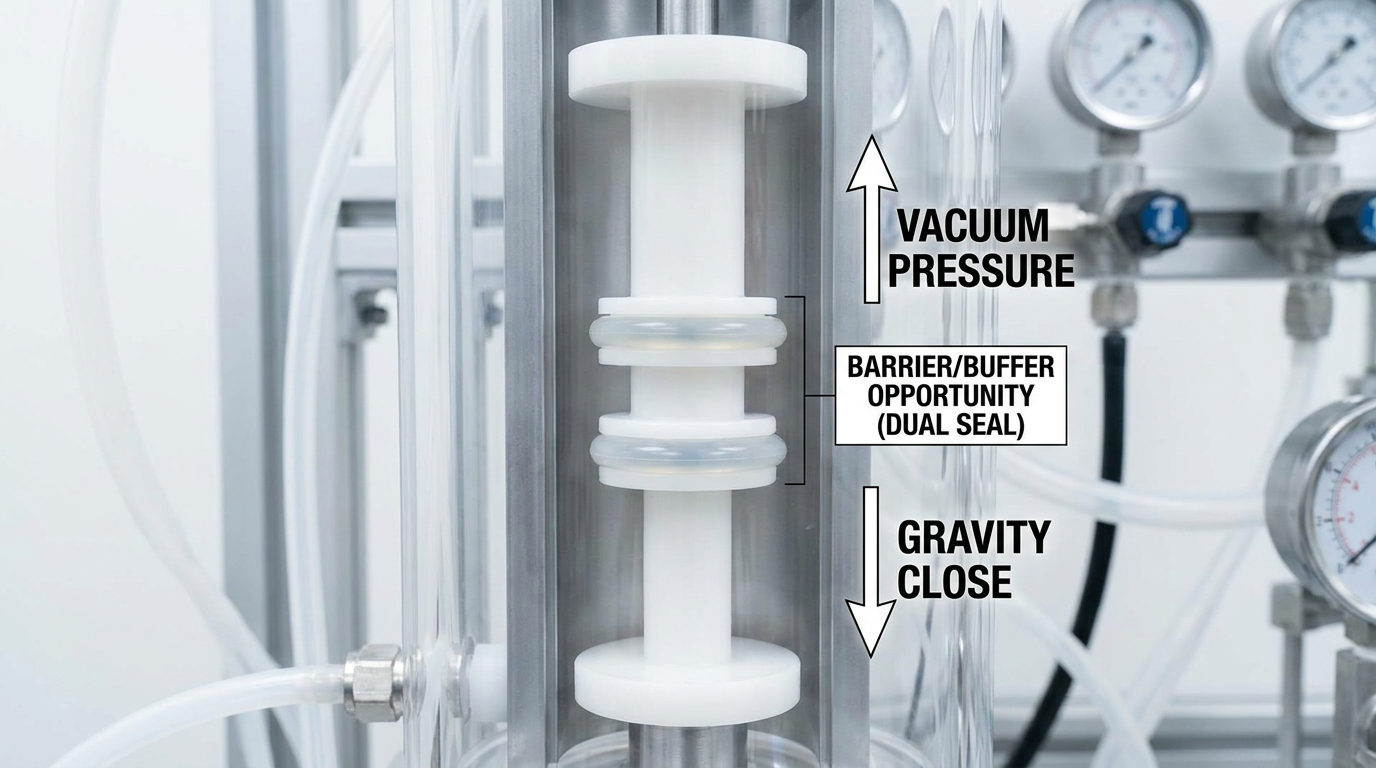
- The seal is the most critical feature: While many AAVs look similar, their long-term reliability comes down to the seal. A valve with a dual-seal design provides a second, redundant barrier against sewer gas, offering superior protection and peace of mind over standard single-seal options.
What Is an Air Admittance Valve (AAV)?
If you’ve ever dealt with a slow-draining sink or a mysterious sewer smell in a bathroom, you know how frustrating plumbing problems can be. Often, the culprit is improper venting. That’s where an air admittance valve, or AAV, comes in. Think of it as a smart, one-way breathing valve for your plumbing system. These simple devices are designed to let air into your drain pipes to maintain the right air pressure, which helps water flow smoothly and prevents foul sewer gases from entering your home.
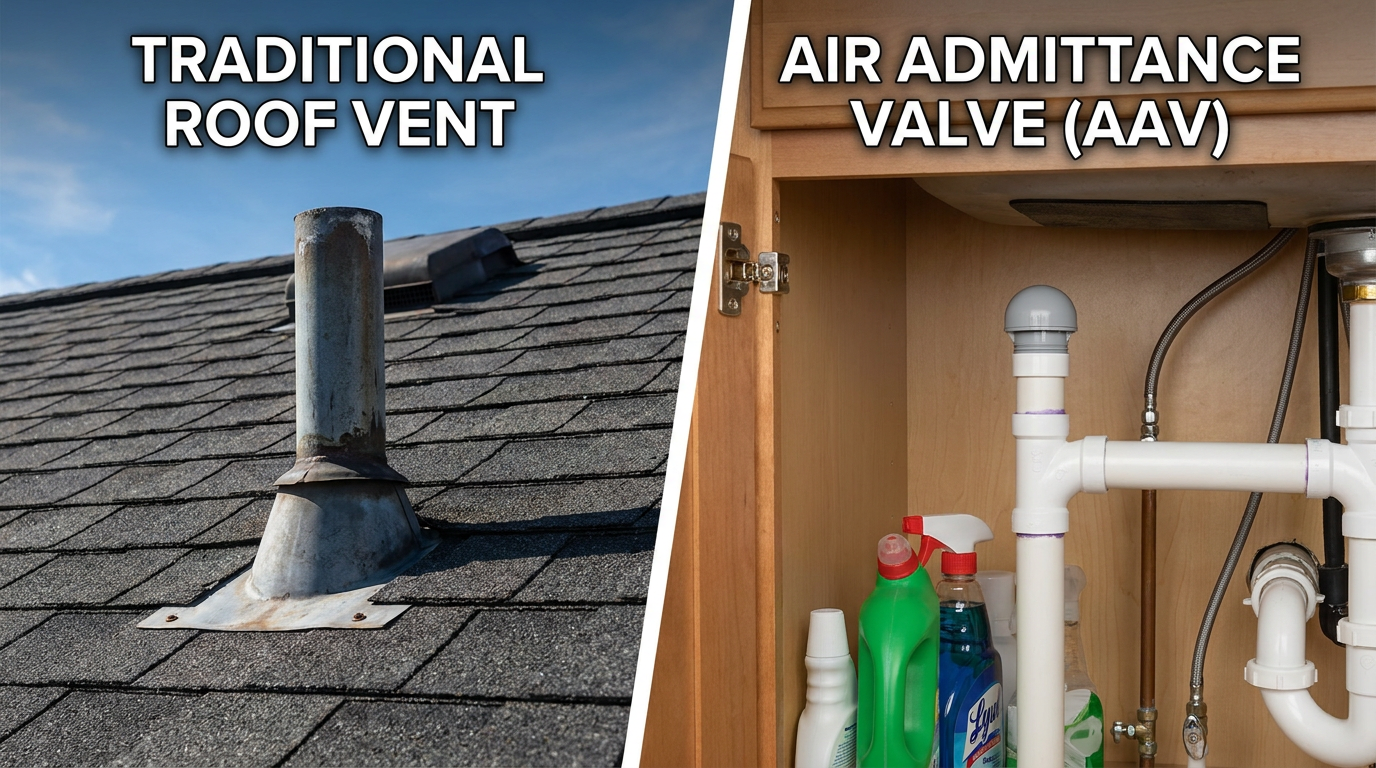
An AAV is a modern, problem-solving alternative to running a traditional vent pipe all the way through your roof. This makes it an incredible asset for tricky installations like kitchen islands, basement bathrooms, or renovations where adding new vent stacks is impractical or too expensive. Instead of complex pipework, you can install a compact AAV right at the fixture. These valves are a key piece of modern plumbing, offering a flexible and effective way to ensure your drainage system works perfectly. You can find a wide range of AAV solutions for almost any residential or commercial application.
How an AAV works
The magic of an AAV is in its simplicity. When you run water down a drain, the rush of water creates negative pressure, or a vacuum, in the pipe behind it. This vacuum can be strong enough to siphon water out of the P-trap, which is the curved pipe under the sink that holds water to block sewer gas. Without that water barrier, odors can flow freely into your room. An AAV prevents this from happening. It senses the negative pressure and automatically opens, allowing air to enter the pipe and break the vacuum. This lets the water drain quickly and quietly. Once the water stops flowing and the pressure equalizes, the valve closes, forming a tight seal to stop any sewer gas from escaping.
Common AAV types
When you start looking for an AAV, you’ll notice a few key brands that professionals trust. For years, plumbers have relied on brands like Studor for their established reputation and Oatey for its wide availability. These are solid choices you’ll find in most hardware stores. You will also find the Tuuber Air Admittance Valve, a specialized device engineered to protect your plumbing traps and stop sewer odors with advanced sealing technology. While different brands have their own designs, they all serve the same core purpose. The best valve for your project will depend on your specific needs, local codes, and the level of performance you require.
Why Choose an AAV for Your Plumbing Project?
Air admittance valves, or AAVs, are more than just a convenient plumbing part; they are a smart solution to common venting challenges. If you've ever struggled with a complex vent pipe installation, you know how much time, space, and money it can consume. AAVs offer a modern alternative that simplifies the entire process. Whether you're a seasoned contractor looking to streamline your workflow or a DIYer tackling a home renovation, understanding the benefits of an AAV can make your next project much smoother. Let's look at a few key reasons why an AAV might be the perfect fit for your plumbing system.
Save space and simplify venting
Traditional plumbing vents require running pipes up through walls and out the roof, which can be a major headache, especially in tight quarters. An AAV offers a simple, space-saving way to vent your plumbing system without all that extra work. Instead of a bulky vent stack, you can install a compact valve right under the sink or near the fixture. This is a game-changer for kitchen islands, bathroom vanities, or any area where you want to preserve clean lines and open space. With a quality AAV, you can achieve proper venting without sacrificing your design or dealing with complicated pipe runs.
Reduce project costs and labor
One of the most compelling reasons to use an AAV is the potential to reduce project costs and labor. Think about it: fewer pipes, fewer fittings, and no need to cut a hole in the roof. This directly translates to savings on materials and the time it takes to complete the job. For plumbing professionals, this means you can finish projects faster and offer more competitive pricing. For homeowners, it makes renovations more affordable and less disruptive. By eliminating complex vent piping, you can simplify the installation and keep your budget in check, all while using reliable plumbing solutions.
Ideal scenarios for using an AAV
AAVs are especially useful in remodeling projects or in places where you can't easily run a vent pipe through the roof. They are perfect for adding a sink to a basement, installing a kitchen island, or venting a fixture in an old home with limited access to the main vent stack. Because they are easier to install and require fewer penetrations in your home's structure, they are a practical choice for many modern plumbing needs. High-quality AAVs are designed by an experienced engineering team to provide a dependable venting alternative for these exact situations, ensuring your plumbing works flawlessly without a traditional vent.
Are AAVs Up to Code?
This is one of the most common questions I hear, and for good reason. The last thing you want is to finish a project only to find out it doesn’t meet local requirements. The short answer is yes, air admittance valves are often up to code, but it’s not a universal guarantee. Compliance depends on two key factors: your local jurisdiction’s rules and the quality of the valve you choose.
AAVs were created to solve common issues with traditional open-pipe venting, offering a more flexible and often simpler solution for modern plumbing. They allow air to enter the drain pipes to prevent a vacuum but stop sewer gases from escaping. However, because they are a mechanical alternative to a simple open pipe, they are subject to specific regulations that you need to be aware of. To make sure your project goes smoothly and passes inspection, you need to understand where AAVs are permitted, what quality standards they must meet, and how to confirm the rules for your specific area. Getting these three things right will give you the confidence to use an AAV in your next plumbing project without any second-guessing.
Know where AAVs are permitted
First things first, you need to know if AAVs are even an option where you live. Air admittance valves were designed to serve as a vent for drainage systems, providing an excellent alternative to running a new vent stack through the roof. While they are widely accepted by major model plumbing codes, their adoption can vary from state to state, and even from one city to the next. Some jurisdictions may allow them for individual fixtures or branch lines but not as a replacement for a main vent stack. Before you get too far into planning, a little research into your local permissions will save you a lot of headaches down the road.
Understanding ASSE 1050 & 1051 standards
If AAVs are allowed in your area, the next step is to choose a valve that meets official quality standards. Look for valves certified to ASSE 1050 (for individual and branch vents) and ASSE 1051 (for stack-type vents). These standards are not just letters and numbers; they are your assurance that the valve has been rigorously tested for performance, durability, and safety. A certified valve is designed to open and close reliably, protecting your trap seals from siphoning and preventing sewer gas from entering your home. All of our patented dual-seal valves are manufactured to meet these strict ASSE standards, so you can be confident you’re installing a product built for long-term, reliable performance.
How to check your local plumbing codes
After confirming AAVs are generally permitted and you’ve selected a certified product, the final step is to verify your specific application is compliant. The most reliable way to do this is to check with your local building officials. A quick phone call or visit to your local plumbing or building inspection department can confirm if an AAV is suitable for your intended use, whether it’s for a kitchen island sink or an attic bathroom. They can provide clear guidance on installation requirements, such as height and accessibility. Don’t skip this step; getting direct approval ensures your project is safe, effective, and officially up to code. If you have questions, our team is here to help guide you.
Key Features to Look for in an AAV
When you’re picking out an air admittance valve, it’s easy to think they’re all the same. But the small details in design and construction can make a huge difference in how well your plumbing system works and how long the valve lasts. Choosing the right AAV isn’t just about grabbing one off the shelf; it’s about matching the valve to your specific project needs to ensure everything flows smoothly and, most importantly, keeps sewer gases safely out of the living space.
From the valve’s size and airflow capacity to the materials it’s made from, every feature plays a role. Some of the most important innovations, however, are on the inside. The sealing mechanism is arguably the most critical component, determining how effectively the valve blocks odors. Advanced designs now offer features like dual seals and specialized flow passages for superior performance. Understanding these key features will help you select a reliable AAV that not only meets code but also provides long-term, worry-free operation for you or your client. Let’s walk through what you should look for.
Size and flow capacity
Getting the size right is the first step to a successful AAV installation. AAVs are not one-size-fits-all; they are rated for a specific number of Drainage Fixture Units (DFUs), which is a measure of the probable discharge into the drainage system. A valve that’s too small for the fixtures it’s serving won’t allow enough air into the system, failing to prevent trap siphoning. This can lead to the gurgling sounds and sewer gas smells you were trying to avoid. Always check the manufacturer's specifications to match the AAV’s DFU rating with the requirements of your plumbing layout. This ensures your system can "breathe" properly under load.
Material and build quality
The durability of an AAV starts with its construction. Most AAVs are made from PVC or ABS plastic to match the piping material commonly used in drain, waste, and vent (DWV) systems. Choosing a valve made from the same material as your pipes allows for a secure, solvent-welded connection. Beyond the outer casing, pay attention to the overall build quality. A well-made valve feels sturdy and has a reliable internal mechanism. Since these valves are often installed in tight, hard-to-reach spaces like under a sink, you want a product you can install with confidence, knowing it won’t crack or fail prematurely.
Single seal vs. dual seal design
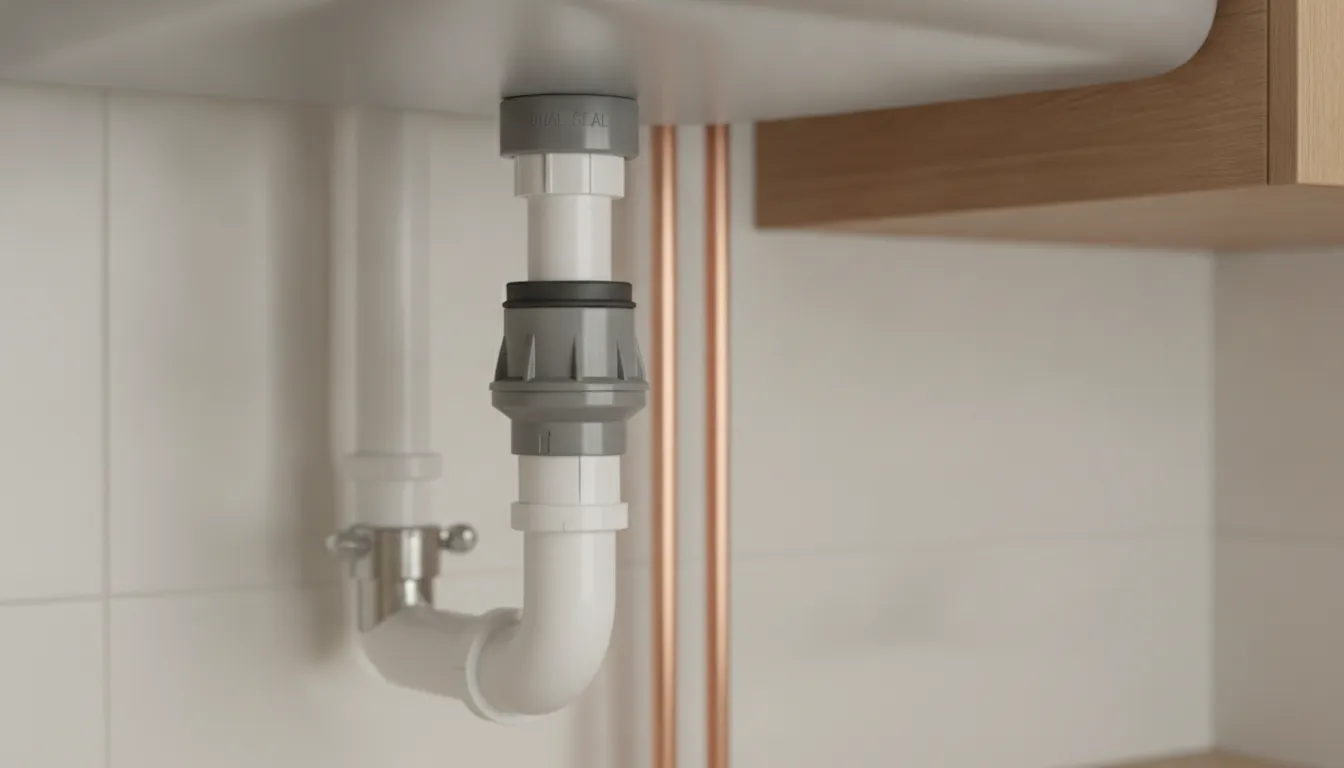
Here’s where you’ll find one of the biggest differences in AAV performance. Most standard AAVs use a single seal to block sewer gases when the valve is closed. While this works, it also creates a single point of failure. A dual-seal design, on the other hand, provides a crucial second layer of protection. Our patented Tuuber AAVs are the only ones on the market with this feature, offering a redundant barrier that guarantees sewer gases stay in the pipes where they belong. Think of it as an extra layer of insurance for your indoor air quality and peace of mind.
Pressure sensitivity and automatic operation
The magic of an AAV is in its automatic function. The valve is designed to be incredibly sensitive to pressure changes within the pipe. When a fixture drains, it creates a slight negative pressure that instantly opens the valve, allowing air to enter and protect the P-trap’s water seal. As soon as the pressure equalizes, gravity closes the valve to create a tight seal. A high-quality AAV performs this action flawlessly every time. This reliable, automatic operation is what makes the valve a "fit and forget" solution, working silently behind the scenes to keep your plumbing system functioning correctly.
Triple flow passage technology
While the seal keeps gas out, the valve’s ability to let air in is just as important. Some advanced AAVs incorporate unique designs to improve airflow. For example, our patented technology includes a triple flow passage design. This feature works with the dual seal to allow air to enter the plumbing system more efficiently when a negative pressure event occurs. This rapid air intake provides even stronger protection against trap siphoning, especially in demanding situations with high-volume drainage. It’s another small but significant detail that contributes to a more robust and reliable venting solution for any project.
Comparing the Top AAV Brands
When you're ready to pick an AAV, you'll find a few key players on the market. Each brand brings something different to the table, whether it's cutting-edge technology, a long history of reliability, or an attractive price point. Understanding these differences will help you choose the right valve for your specific plumbing setup and project goals. Let's look at three of the top brands you'll likely encounter.
Tuuber: Patented Dual Seal Performance
Tuuber stands out from the crowd with its unique, patented technology. It's the only AAV available that features a "Dual Seal" design, which provides an extra layer of protection against sewer gases and unpleasant odors escaping into your home. While a standard AAV has one seal, Tuuber has two, offering peace of mind that your plumbing system is securely sealed. This valve is incredibly sensitive, opening with minimal negative pressure to let air in and closing firmly by gravity to block gases. If you prioritize performance and want the most advanced sealing technology for your project, the Tuuber AAV is built to deliver that superior, reliable barrier.
Studor: Widely Used and Accessible
You'll hear the name Studor come up often in plumbing circles, and for good reason. For years, Studor has been a trusted and widely used brand, building a strong reputation for reliability among professionals. Many plumbers default to Studor because it has a long and proven track record in a variety of applications. Think of it as the industry workhorse. Because they've been around for a while, these valves are also highly accessible and easy to find at most plumbing supply stores. Their long-standing presence in the market makes them a dependable and familiar choice for contractors and DIYers alike.
Oatey: Budget-Friendly and Broadly Available
If your project is guided by a tight budget, Oatey's Sure-Vent AAVs are an excellent option to consider. They offer a cost-effective way to handle your plumbing ventilation needs without the expense and hassle of running a traditional vent pipe through the roof. Oatey makes its valves a practical choice by offering them in both PVC and ABS materials, so you can easily find one that matches your existing pipe setup. You can find Oatey AAVs at most big-box hardware stores, making them a convenient and affordable solution for many straightforward DIY projects.
A Closer Look: Tuuber vs. Studor vs. Oatey
When you’re standing in the plumbing aisle, you’ll likely see a few key names in the AAV space: Tuuber, Studor, and Oatey. All three are trusted brands that get the job done, but they have important differences in technology, product options, and long-term performance. Choosing the right one depends on what you value most for your project, whether it’s cutting-edge sealing, a wide range of material options, or a simple, budget-friendly solution.
Think of it like choosing any other tool for your toolbox. While a standard wrench might work for most jobs, sometimes you need a specialized one to guarantee the best and most reliable fit. Let's break down how these three brands stack up against each other in the areas that matter most: sealing power, product variety, and how they hold up over time. This will help you make an informed decision and pick the AAV that gives you confidence and peace of mind long after the installation is complete.
Sealing technology
The primary job of an AAV is to keep sewer gases out of a living space, and this is where the biggest differences lie. Tuuber is the only brand on the market with a patented "Dual Seal" and "Triple Flow Passage" design. This unique engineering provides two sealing points, offering a guaranteed barrier against odors and gases. Studor has built a strong reputation for reliability over many years and is a go-to for many plumbers who trust its long-standing performance. Oatey’s Sure-Vent AAVs also provide a dependable seal and are designed to be a straightforward, effective solution for standard venting needs.
Product range and compatibility
Your project has specific needs, and your AAV should match them. Tuuber offers a flexible range of products, allowing you to buy just the valve, a kit with flexible components for tricky hook-ups, or a fully pre-assembled kit for a quick and easy installation. Oatey provides a broad selection of AAVs in different sizes and materials, including both PVC and ABS, making it easy to find one that fits your existing pipe setup. Studor is also known for its reputable and reliable options that plumbers have trusted for years, ensuring compatibility with standard residential and commercial systems.
Long-term performance and reliability
An AAV isn't something you want to replace often, so durability is key. Tuuber backs its products with a "Product Lifetime of Reliability," offering a strong warranty that gives you confidence in its long-term performance. While Studor valves are known to be very reliable, it's generally understood that any AAV will eventually need replacement over its lifespan. Similarly, Oatey AAVs can last for decades, but their longevity often depends on a perfect installation. For anyone looking for a set-it-and-forget-it solution, Tuuber's dual-seal technology and lifetime warranty provide an extra layer of assurance.
How to Install Your AAV Correctly
An Air Admittance Valve is a fantastic solution for modern plumbing, but it only works as intended when installed correctly. A proper installation ensures your plumbing drains smoothly, prevents sewer gas from entering your home, and protects your fixture's P-trap from being siphoned dry. Getting it right from the start saves you from future headaches like gurgling drains or unpleasant odors. The good news is that the process is straightforward for both seasoned pros and dedicated DIYers.
By following a few key principles for placement, compatibility, and future access, you can set your plumbing system up for long-term success. Paying attention to these details makes all the difference in performance and longevity. Let's walk through the three most important steps for a perfect AAV installation, ensuring your system functions flawlessly for years to come. This small investment of time upfront will prevent much larger problems down the road.
Getting the height and angle right
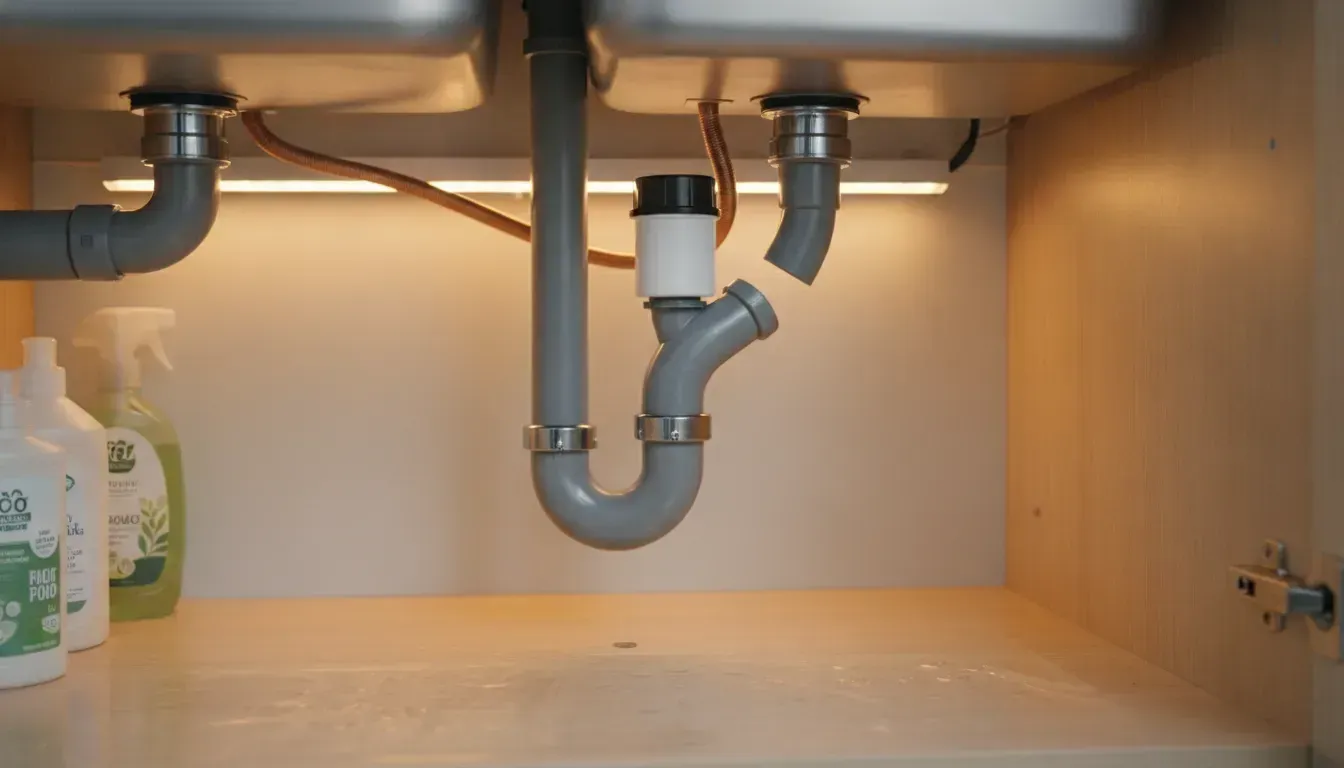
Proper placement is everything for an AAV. To prevent water from backing up into the valve, you need to install it correctly relative to the P-trap. The golden rule is to place the AAV's connection point at least four inches above the horizontal drainpipe extending from the trap. Think of it as giving the valve enough high ground to breathe properly. It’s also best to install it as high as possible under the sink. Finally, the valve must be installed vertically, or at least within 15 degrees of vertical, to ensure the internal seal opens and closes with gravity as it should. Following these installation guidelines is key to its function.
Ensure pipe compatibility
An AAV won't do you any good if it doesn't fit your pipes. Before you buy, check the diameter of the drainpipe you're connecting to. Most kitchen or bathroom sinks use 1.5-inch or 2-inch pipes, and AAVs are sized accordingly. Using the wrong size can lead to leaks or improper venting. Many AAVs come with adapters to fit multiple pipe sizes, which offers great flexibility. For a secure, leak-free fit, it's always best to use high-quality components designed to work together. You can explore a range of AAV products and connectors to find the perfect match for your specific plumbing setup, ensuring a tight seal and optimal airflow from day one.
Plan for future access and maintenance
Think like a pro and plan for the future. An AAV is a mechanical device with moving parts, and like any such component, it may need to be replaced after many years of service. The biggest mistake you can make is sealing it inside a wall where it can't be reached. Always install your AAV in an accessible location, like inside a cabinet or behind a removable access panel. This simple step ensures that if the valve ever fails, you can swap it out in minutes without having to cut into your drywall. This foresight reflects the quality and durability you expect from your plumbing, which is a core principle behind our company’s mission.
Common AAV Installation Mistakes to Avoid
Installing an air admittance valve is a straightforward job, but a few common missteps can prevent it from working correctly. Taking a moment to get the details right from the start will save you from dealing with slow drains, gurgling noises, or unpleasant odors down the road. Think of it as a little bit of prep work that ensures your plumbing system breathes easy and functions flawlessly for years to come. Let’s walk through the four most frequent installation mistakes so you can confidently avoid them on your next project.
Installing too low or at the wrong angle
One of the most critical factors for a successful AAV installation is its position. The valve must be installed high enough above the drain line, specifically above the trap arm of the fixture it's venting. If it’s too low, water from the drain can splash up and enter the valve, compromising the seal and preventing it from closing properly. Just as important is the angle. An AAV needs to be installed vertically, straight up and down. An improper installation angle can restrict airflow or cause the sealing mechanism to stick, making the valve ineffective. Always follow the manufacturer’s height requirements to ensure gravity is on your side.
Placing AAVs in enclosed or inaccessible spaces
It can be tempting to hide an AAV inside a wall for a cleaner look, but this is a mistake that can cause major headaches later. AAVs are mechanical devices with moving parts and a seal that will eventually need maintenance or replacement. If you entomb the valve in a wall cavity without an access panel, you’ll have to cut into your drywall to service it. Always install your AAV in a location with plenty of open air and easy access, like under a sink cabinet. This ensures the valve can draw in air freely and that you can easily unscrew it when the time comes for a check-up or replacement, avoiding otherwise preventable common problems.
Ignoring local code requirements
While AAVs are widely accepted in many areas, they aren’t a universal substitute for traditional venting. Most plumbing codes have specific rules about their use. For example, many jurisdictions require that at least one primary vent stack in the building extends to the open air outdoors. This is to relieve positive pressure in the system, something an AAV is not designed to do. Before you begin your project, it is essential to check your local plumbing codes. The International Code Council offers general guidance on AAV installation, but your local building authority has the final say. A quick call or visit to their website can confirm if and where AAVs are permitted in your area.
Installing on horizontal pipes
Air admittance valves are designed to be installed on a vertical pipe. Placing an AAV on a horizontal section of your drain line is a recipe for failure. On a horizontal run, waste and debris are far more likely to settle in the pipe. Over time, this gunk can fill with buildup and block the opening where the AAV connects to the drainage system. Once that connection is clogged, the valve can no longer draw in air, and your fixture will lose its vent. This leads right back to the issues you were trying to solve, like slow draining and siphoned traps. Always connect your AAV to a vertical section of pipe to keep it clean and functional.
Is It Time to Check Your AAV?
Air admittance valves are fantastic, low-maintenance parts of a modern plumbing system. But "low-maintenance" doesn't mean "no-maintenance." Like any hard-working component, your AAV can wear out over time. A quick inspection now and then can help you catch small issues before they turn into bigger, smellier problems. Knowing the signs of a failing valve and what to do about it keeps your plumbing working smoothly and your air fresh.
Fortunately, checking on your AAV is straightforward. You don't need to be a master plumber to spot the key warning signs. A few simple checks can tell you everything you need to know about its condition. If you do find it's time for a new one, you can feel confident choosing a quality replacement that will offer long-term, reliable performance, like one of Tuuber's patented dual-seal valves.
Telltale signs of a failing AAV
Your nose is often the first line of defense. The most common and unmistakable sign of a failing AAV is the smell of sewer gas in your home, especially near the fixture where the valve is installed. This happens because the valve’s seal has worn out and isn't closing properly, allowing unpleasant odors to escape from the drain line into your living space. Another symptom to watch for is a slow-draining sink, tub, or other fixture. If the valve is stuck closed and not letting air in, it can create a vacuum in the pipe, preventing water from draining efficiently. If you notice either of these issues, your AAV is the first place you should check.
Your simple maintenance checklist
Keeping your AAV in good shape is easy. A periodic inspection is all it takes to ensure everything is working as it should. Once every six months to a year, take a quick look at the valve. Check for any visible cracks in the plastic body or debris around the top screening that could obstruct airflow. You can gently wipe it down with a damp cloth to keep it clean. If the valve is accessible, you might also test the seal. Some designs allow you to gently press on the top to feel if the mechanism moves freely. This simple periodic inspection and cleaning can help you spot trouble early and extend the life of your valve, preventing drainage issues before they start.
Repair or replace: Making the right call
So, you've cleaned your AAV, but you're still dealing with a slow drain or a bad smell. What's next? Most AAVs are designed as simple, sealed units, which means they aren't meant to be taken apart and repaired. If a good cleaning doesn't solve the problem, the internal seal has likely failed, and the entire valve needs to be replaced. While some people ask how often you should change your AAV, there's no set expiration date; you replace it when it fails. The good news is that replacement is typically inexpensive and simple. Just unscrew the old valve and screw on the new one, making sure it's hand-tight. This is a perfect opportunity to install a more durable valve with superior sealing technology.
Related Articles
- TUUBER Air Admittance Valve AAV Vent
- TUUBER™ Dual-Seal 20 Vent Air Admittance Valve AAV
- TUUBER™ air admittance valve instructions
- TUUBER™ air admittance valve technical specifications
- AAV Limited Lifetime Warranty
Frequently Asked Questions
How long does an air admittance valve last? There isn't a strict expiration date for an AAV, but since it's a mechanical part with a moving seal, it won't last forever. A high-quality valve can work perfectly for a decade or even longer, while a lower-quality one might fail sooner. The key is to install a reliable valve from the start and replace it when you notice signs of failure, like sewer smells or slow drains. The good news is that replacement is simple: you just unscrew the old one and screw on the new one.
Can I use just one AAV for my whole house instead of a roof vent? No, an AAV is not a complete replacement for a traditional vent stack. AAVs are designed to handle negative pressure by letting air into the system. However, your plumbing also needs a way to release positive pressure. For this reason, most plumbing codes require at least one main vent pipe that runs through the roof to the open air. AAVs are perfect for venting individual fixtures or groups of fixtures, especially in tricky spots like kitchen islands or basement bathrooms.
I hear gurgling noises from my sink. Does that mean my AAV is failing? A gurgling drain is a classic sign of a venting problem, and your AAV could certainly be the cause. That sound often means a vacuum is forming in the pipe, and air is being pulled through the P-trap's water seal. If your AAV is stuck closed, it can't let air in to break that vacuum. Before you replace it, make sure the valve is clean and free of debris. If cleaning it doesn't solve the gurgling, it's likely time for a new valve.
Why is a dual-seal AAV better? Is it really necessary? Think of it as an extra layer of security. A standard AAV has one seal to block sewer gas, which creates a single point of failure. If that one seal wears out or gets compromised, odors can escape. A dual-seal valve provides a second, redundant barrier. This design offers guaranteed protection and peace of mind, ensuring that even if one seal has an issue, the second one is there to keep sewer gases safely in the pipes.
Do I need special tools to install an AAV? For a simple replacement, you typically don't need any tools at all. Most AAVs are designed to be hand-tightened onto the threaded adapter. If you are cutting into an existing pipe to add the AAV, you will need basic plumbing tools like a pipe cutter and the appropriate solvent cement (for PVC or ABS) to attach the adapter. The installation itself is very straightforward and is a common project for DIYers.