How to Use an AAV for Special Plumbing Configurations
Not all air admittance valves are created equal. While any AAV is designed to solve venting problems, a low-quality valve can create new ones, from slow drains to dangerous sewer gas leaks. The seal is the single most important component, and it’s where quality truly matters. A standard valve offers one layer of protection, but a superior design provides a backup. This is why choosing the right AAV for special plumbing configurations is so important; you need a guarantee that it will perform reliably for the long haul. Our patented dual-seal AAV offers redundant protection, ensuring an airtight seal that you and your clients can trust. In this guide, we’ll explore why this dual-seal technology is the professional’s choice for performance and peace of mind, ensuring every job is done right the first time.
Key Takeaways
- Use AAVs to simplify complex plumbing: An air admittance valve is a one-way vent that solves common challenges like venting kitchen islands, basement fixtures, and remodels. It saves on cost and labor by eliminating the need to run a vent pipe through the roof.
- Follow key installation rules for success : To ensure your AAV works correctly, always install it above the fixture's flood level rim, allow for proper airflow around the valve, and make sure it remains accessible for any future maintenance.
- Choose a dual-seal valve for better protection: The seal is the most important part of an AAV. A dual-seal design provides a second layer of defense against sewer gas and odors, offering greater long-term reliability and peace of mind compared to standard single-seal valves.
What is an Air Admittance Valve (AAV)?
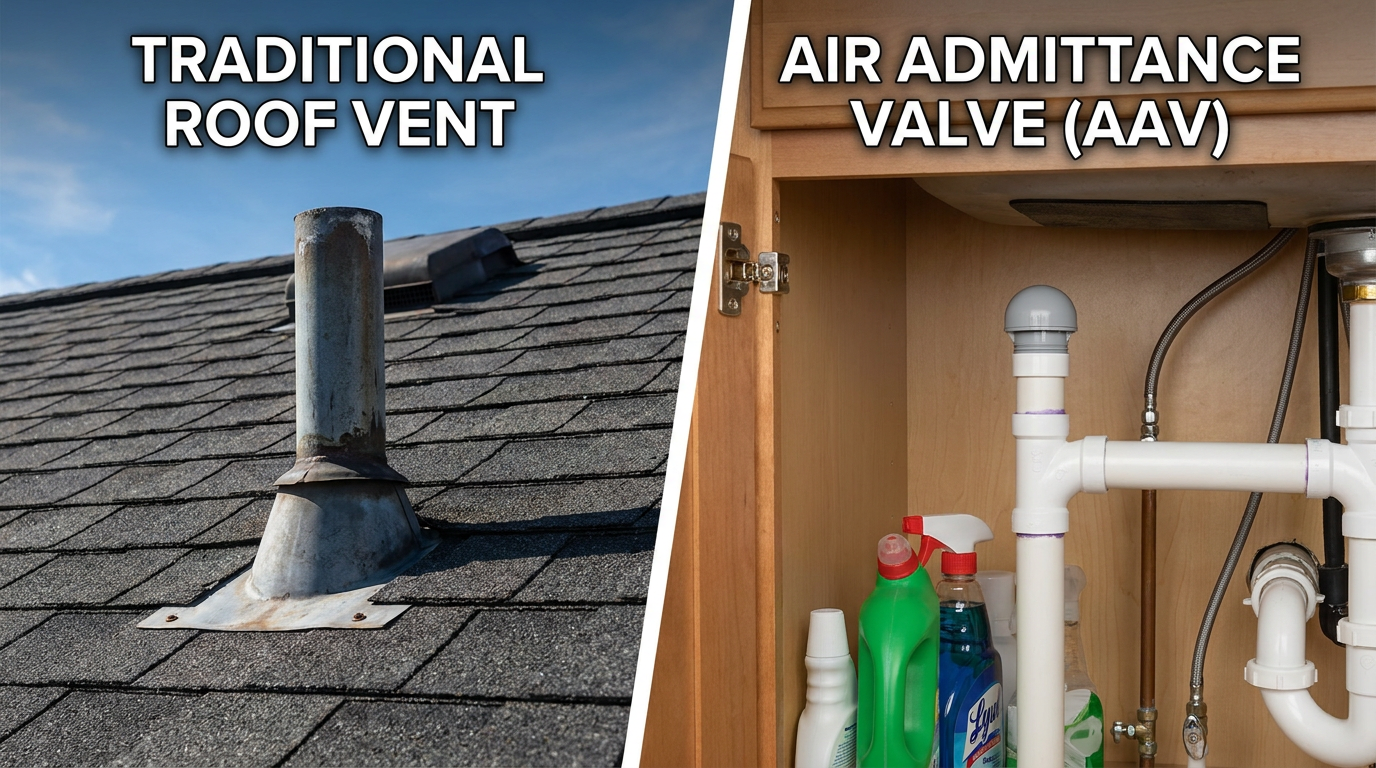
Think of an air admittance valve, or AAV, as a smart, one-way breathing valve for your plumbing system. Its job is to let air in when your pipes need it but never let unpleasant sewer gas out. This simple device is a problem-solver for many tricky plumbing situations, especially where running a traditional vent pipe up through the roof is impractical or just not possible. An AAV is a mechanical vent that you install right near a fixture, like under a sink. It’s a fantastic solution for kitchen islands, basement bathrooms, and remodels, offering a reliable and code-compliant alternative to complex vent piping.
How a one-way valve works
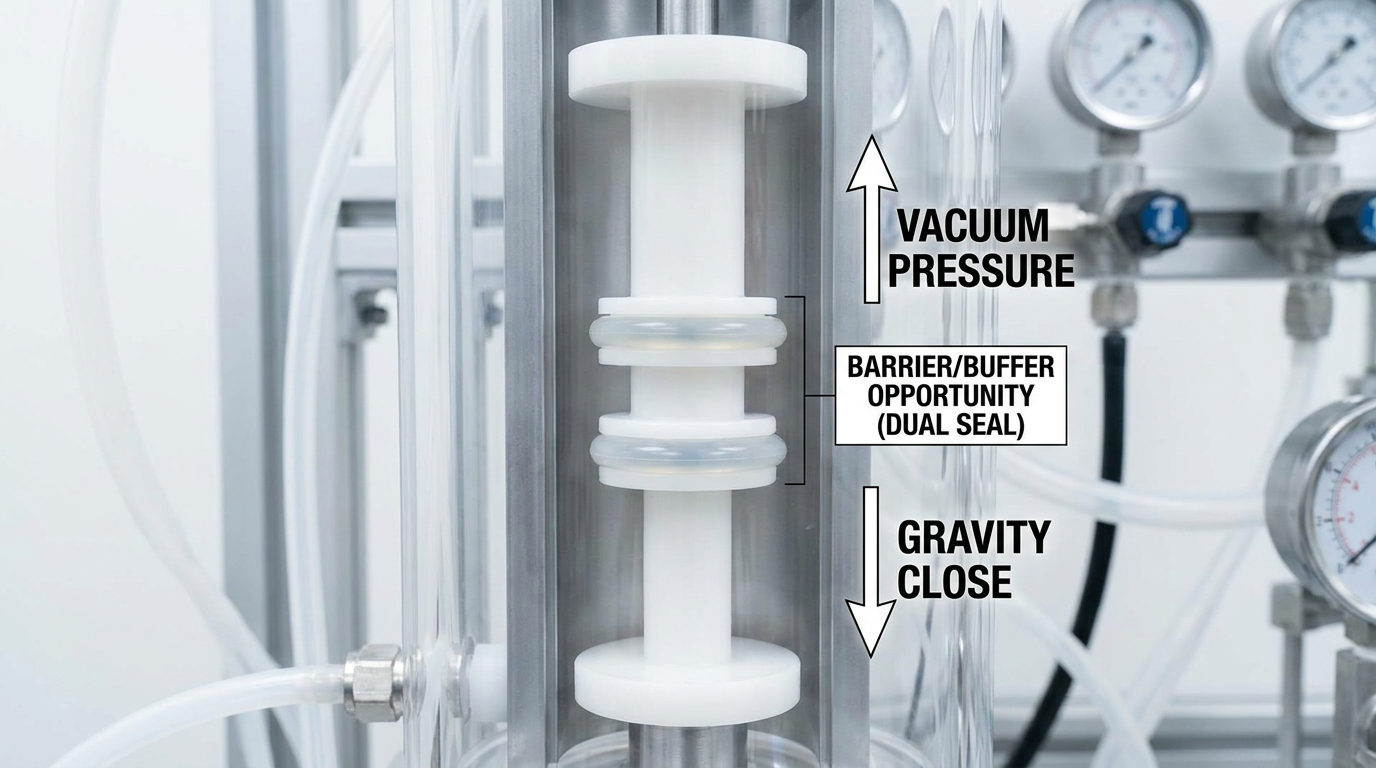
When water rushes down a drain, it can create a vacuum, or negative pressure, in the pipe. This suction is often strong enough to siphon the water right out of the P-trap beneath your sink. Without that water barrier, smelly and harmful sewer gas can flow freely into your home. An AAV prevents this from happening. The moment it senses that negative pressure, a diaphragm inside the valve lifts, allowing fresh air to enter the drain line. This instantly equalizes the pressure in the pipe, protecting the trap seal. Once the pressure is balanced, the valve seals shut, creating a tight barrier that keeps any sewer gas safely in the pipes.
Single seal vs. dual seal: What's the difference?
The seal is the most important part of an AAV, as it’s the component that blocks sewer gas. Most standard AAVs on the market use a single seal to do this job. While generally effective, a single point of protection leaves no room for error over the long term. That’s where a dual-seal design makes a huge difference. A dual-seal AAV provides two distinct layers of protection. If one seal is ever compromised by debris or wear, the second one is right there to keep the system airtight. Our patented dual-seal AAVs offer this redundant protection, giving you and your clients peace of mind that the plumbing system is reliably sealed against sewer gas and odors.
Debunking common AAV myths
AAVs have been around for a while, but there are still a few myths floating around. One common misconception is that they are prone to failure or will eventually let sewer gas escape. The truth is, a well-engineered AAV is designed for long-term performance. High-quality valves are built to meet strict industry standards, like ASSE 1050 and 1051, ensuring they function reliably for years. Another myth is that they can’t handle the demands of a modern drainage system. In reality, AAVs are one-way mechanical valves that open only when negative pressure occurs and remain tightly closed otherwise, making them a perfectly suitable venting solution for countless applications.
Where AAVs Solve Common Plumbing Challenges
While traditional vent stacks are a plumbing staple, they aren’t always practical. Certain layouts and building constraints can make running a vent pipe to the roof difficult, expensive, or downright impossible. This is where an air admittance valve becomes an essential tool. Think of an AAV as a smart, one-way valve that provides a code-approved solution for venting fixtures in tricky situations.
Instead of being a simple workaround, a high-quality AAV is an engineered device designed for specific challenges. It allows air to enter the drainage system to prevent trap siphoning while blocking sewer gases from escaping. From kitchen islands to basement bathrooms, AAVs offer flexibility in plumbing design without compromising performance. They are particularly useful when you need to reduce roof penetrations, lower installation costs, or work within the tight confines of a remodel. By understanding where AAVs excel, you can plan your projects more efficiently and solve common plumbing headaches with confidence.
Island and peninsula sinks
A kitchen island with a sink is a beautiful and functional centerpiece, but it presents a classic venting problem. How do you vent the sink without running an ugly pipe up through the middle of the island and countertop? An AAV is the perfect answer. It can be installed neatly inside the cabinet, well above the drain connection, allowing the sink to drain properly without siphoning the P-trap. This preserves the open, clean look of your kitchen design while ensuring the plumbing is fully functional and up to code. It’s a simple fix for what could otherwise be a major design and installation challenge.
Basement fixtures and crawl spaces
Adding a bathroom, laundry sink, or bar in a basement or crawl space often means your new fixtures are below the main drainage lines and far from an existing vent stack. Running a new vent pipe from the basement all the way to the roof is a major undertaking that involves cutting through floors and walls. An AAV simplifies this process immensely. It allows air to enter the drainage system right where it's needed when negative pressure develops, protecting the fixture’s trap seal. This makes it possible to add fixtures in below-grade applications without the extensive cost and labor of traditional venting methods.
Remote bathrooms and additions
When you’re building an addition or adding a bathroom that’s far from the home’s main vent stack, connecting to it can be complicated and expensive. An AAV can significantly lower the cost of the new drainage system because you don’t need to run as many long vent pipes through the structure. By placing an AAV near the new fixture group, you provide adequate venting locally. This gives you more freedom in your design and layout, allowing you to place bathrooms and kitchens where they make the most sense for the homeowner, not just where it’s easiest to connect to the existing plumbing.
Remodels and retrofits
In a remodel, especially in older homes, you often want to avoid tearing open walls and ceilings if you can help it. If you’re moving a fixture or reconfiguring a kitchen or bathroom, installing a new vent pipe can be highly disruptive. An AAV provides a cost-effective and less invasive alternative. You can install it within a wall or vanity cabinet, providing the necessary vent for the new plumbing without major structural changes. This makes it an invaluable tool for modernizing plumbing systems in existing buildings, saving you time, labor, and the headache of extensive drywall repair.
Under-sink drain assemblies
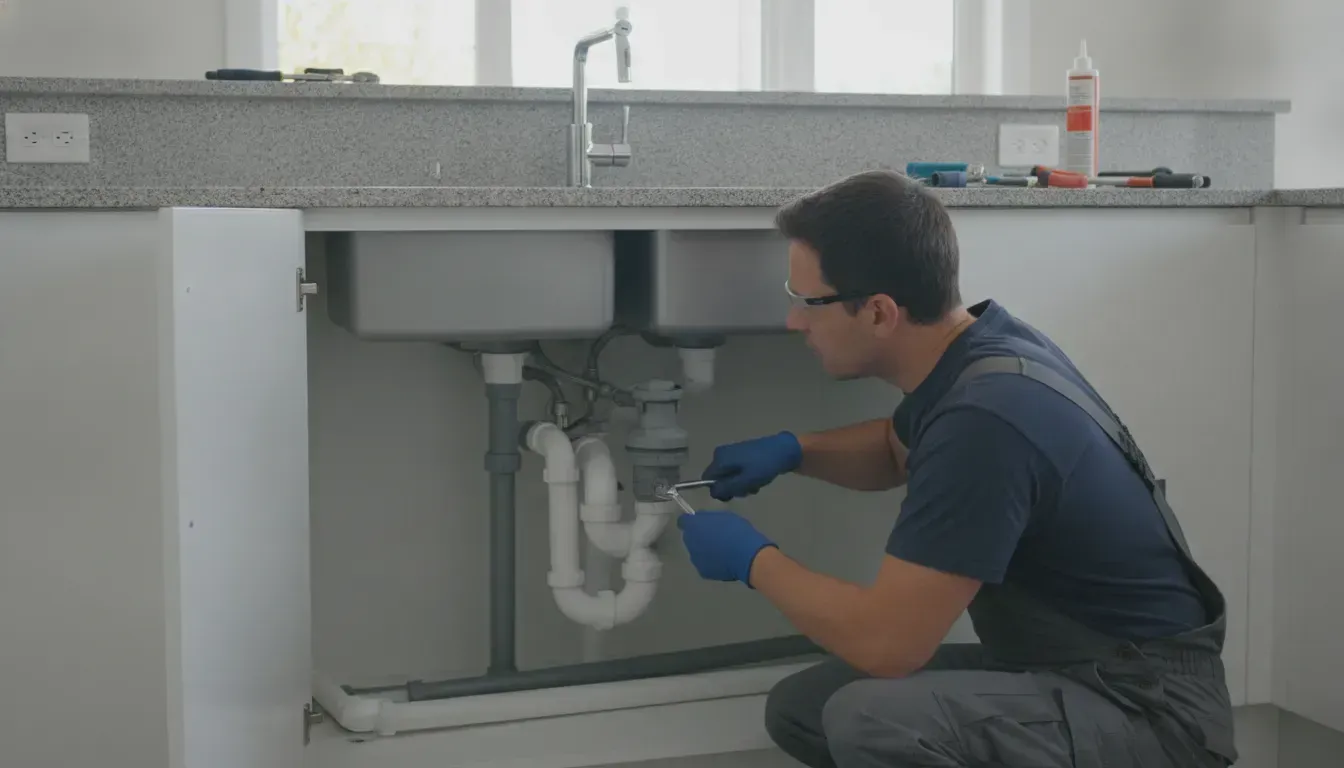
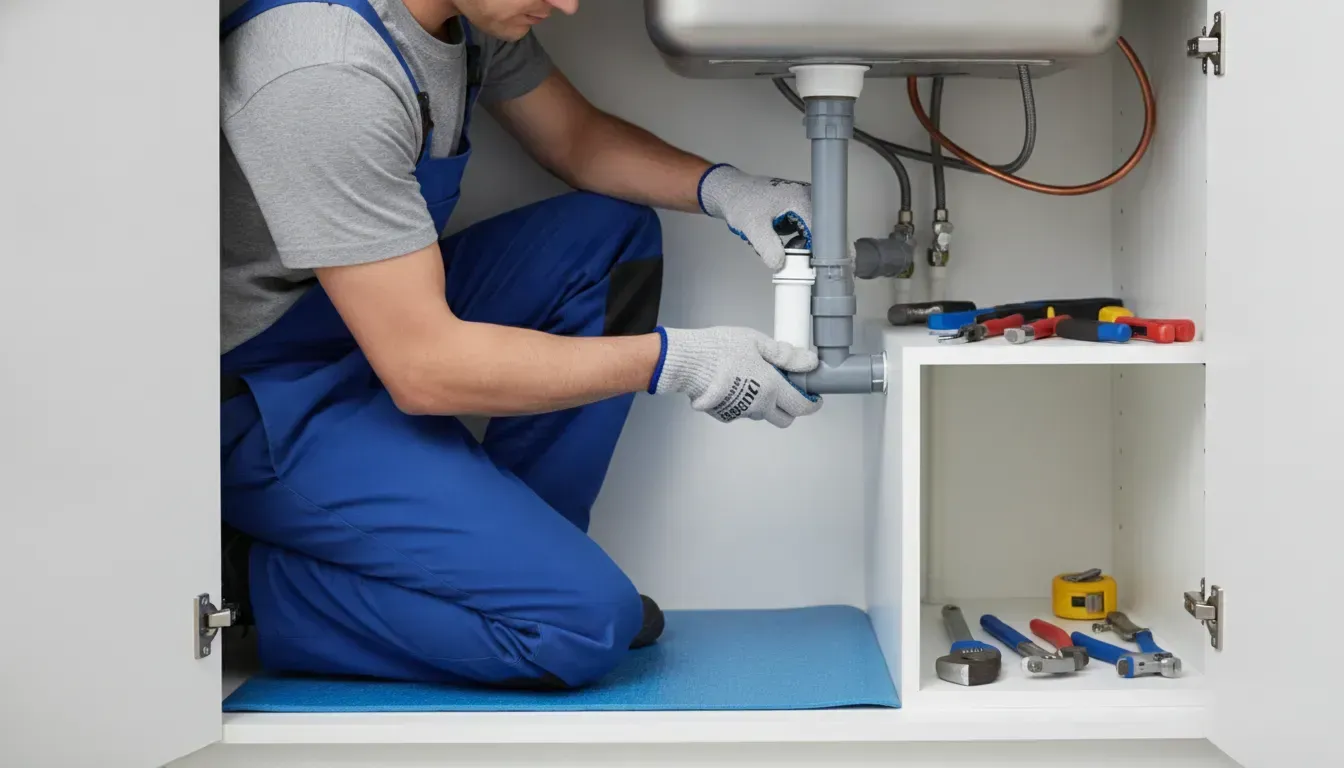
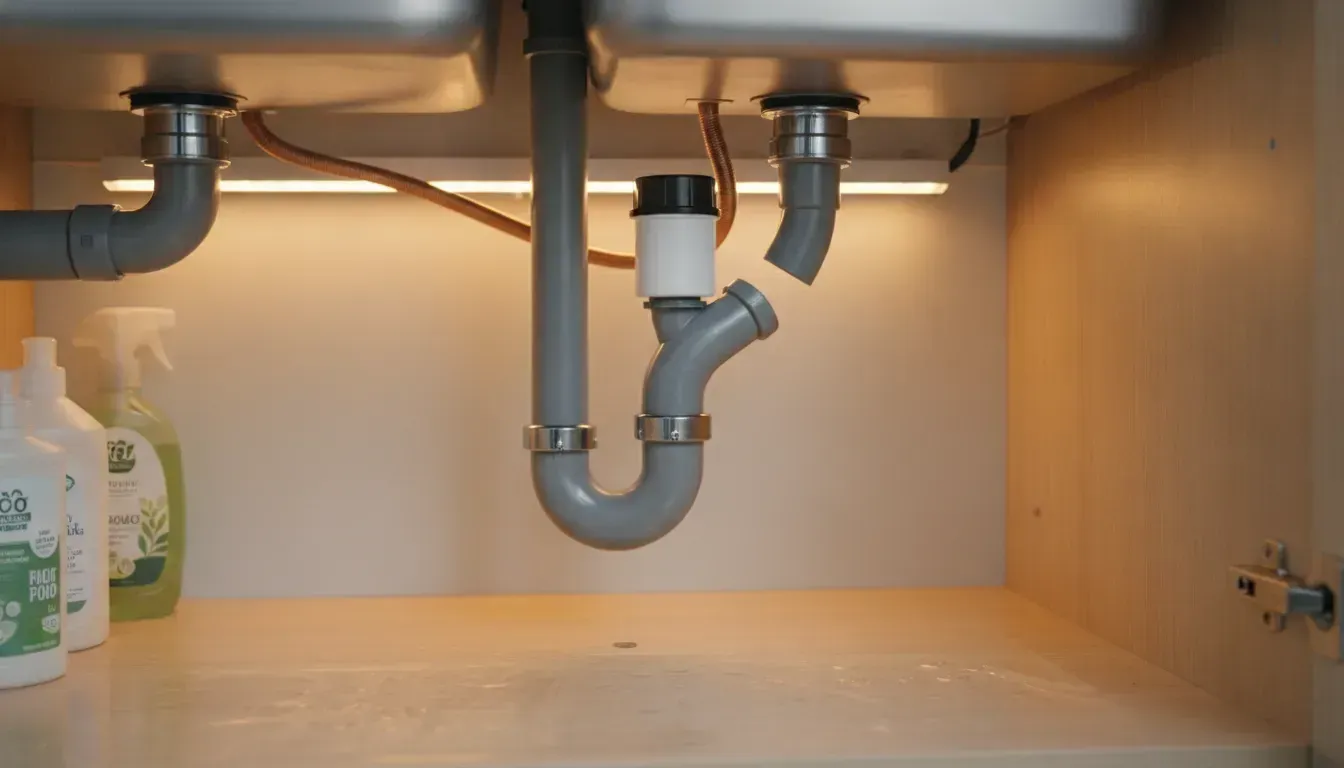
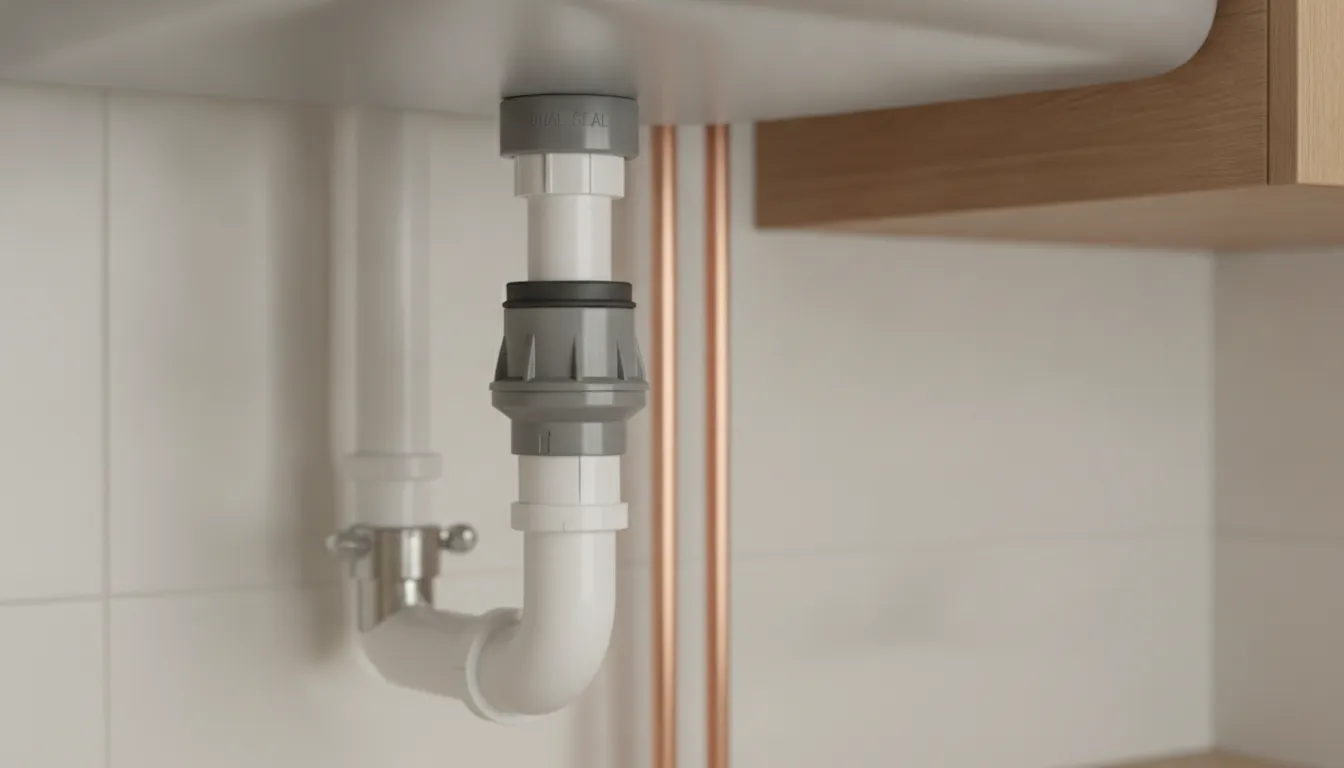
AAVs are frequently used for simple under-sink installations, especially in tight spaces like a small vanity or pedestal sink where there’s no room for complex piping. Many manufacturers offer complete trap assembly kits that include an AAV for an easy, all-in-one solution. The key to a successful installation is proper placement. According to plumbing codes, the AAV must be installed above the flood level rim of the fixture it serves. For a sink, this means the valve should be positioned as high as possible under the counter, ensuring it’s above the top edge of the sink basin itself.
Why Choose an AAV Over a Traditional Vent?
When you're planning a plumbing project, the venting system might not be the most exciting part, but it's one of the most critical. Traditional vents, which run through the walls and out the roof, have been the standard for decades. But let's be honest, they come with their own set of headaches, from complex installation to potential roof leaks. This is where an Air Admittance Valve (AAV) comes in as a modern, efficient alternative.
Choosing an AAV isn't just about using a different part; it's about adopting a smarter approach to plumbing. For contractors, it means faster, more profitable jobs. For homeowners and DIYers, it means more design freedom and lower costs. If you're looking for a way to simplify your plumbing layout without compromising on performance, an AAV is often the perfect solution. Let's break down the specific advantages you gain when you opt for an AAV over a traditional vent pipe.
Save on cost and materials
One of the most compelling reasons to use an AAV is the significant cost savings. A traditional vent system requires running long lengths of pipe from the fixture all the way through the roof. This means more PVC, more fittings, and more labor hours spent cutting, fitting, and securing the pipe. By contrast, an AAV is a compact device installed right near the fixture. This simple change can reduce installation costs by a surprising amount. You'll use far less pipe and completely eliminate the labor involved in running a vent stack through multiple floors and penetrating the roof, making your project faster and more budget-friendly.
Eliminate roof penetrations
Every time you cut a hole in a roof, you create a potential entry point for water. A traditional vent pipe requires at least one roof penetration, which must be perfectly sealed to prevent leaks. Over time, these seals can degrade due to sun exposure and weather, leading to costly water damage and roof repairs. An AAV completely eliminates this risk. Since the valve is installed inside the building, typically in a vanity cabinet or wall cavity, your roof remains intact. This not only protects the structural integrity of the building but also maintains a clean, uninterrupted roofline, which is a big plus for curb appeal. It's a simple way to avoid a common and expensive plumbing-related headache.
Maximize space in tight installations
Modern design trends favor open layouts and clever use of space, but traditional vent pipes can get in the way. Trying to run a vent stack from a kitchen island sink or a compact bathroom vanity can be a logistical nightmare, forcing you to build bulky soffits or compromise your design. AAVs solve this problem beautifully. Because they are small and can be installed close to the fixture, they are perfect for tight spots where a conventional vent won't fit. This gives you the freedom to place sinks and other fixtures exactly where you want them, making AAVs an essential tool for achieving sleek, functional designs in kitchens, bathrooms, and laundry rooms.
Gain flexibility in your plumbing design
Beyond just saving space, AAVs give architects, designers, and plumbers incredible flexibility in the overall plumbing system design. Instead of designing a floor plan around the rigid constraints of a vertical vent stack, you can create more open and innovative layouts. This is especially valuable in remodels, historic building retrofits, and basement finishing projects where adding a new vent through the roof is impractical or impossible. By allowing air to enter the drain system right where it's needed, our dual seal AAVs from our product line help you simplify complex plumbing runs, reduce the overall piping footprint, and bring your creative vision to life without compromise.
How to Install an AAV Correctly
An air admittance valve is a fantastic plumbing solution, but its effectiveness hinges entirely on correct installation. A poorly installed AAV won't just fail to work; it can create the very problems you're trying to avoid, like slow drains or sewer gas leaks. Following a few key principles ensures the valve functions as intended, protects the plumbing system, and complies with code.
Think of it this way: you've chosen a high-performance part for your plumbing system. Now, you just need to install it correctly to get that high-performance result. Whether you're a seasoned pro or a hands-on homeowner, getting these steps right is crucial for a durable and reliable vent system. From placement and height to ensuring proper airflow, each detail matters. Let's walk through the essential steps to guarantee your AAV installation is perfect.
Position above the flood level rim
First things first, you need to place the AAV correctly in relation to the fixture it's venting. The golden rule is to always install the valve above the fixture's flood level rim. The flood level rim is simply the edge of the sink, tub, or basin where water would spill onto the floor if it were to overflow.
Placing the AAV above this point is a critical safety measure. If the drain ever clogs and backs up, this positioning prevents wastewater from flowing into the valve and contaminating it. A contaminated valve can get stuck open, allowing sewer gas into your home, or get stuck closed, preventing it from venting the drain properly.
Meet height requirements above the drain
Along with staying above the flood level rim, the AAV must also be installed at a specific height above the drainpipe itself. According to the International Plumbing Code, AAVs must be installed at least four inches above the horizontal drain pipe or the fixture drain they are venting.
This rule prevents water from splashing up into the valve during normal drainage, which could interfere with its mechanical parts over time. For an under-sink installation, this means the AAV should be mounted on a vertical pipe that extends as high as possible under the cabinet, easily clearing that four-inch minimum. Following this code requirement is a simple step that ensures the long-term reliability of the valve.
Ensure proper airflow around the valve
An AAV works by drawing in air, so it needs to be able to breathe. It’s essential to install the valve in a location where air can freely enter it. Never install an AAV inside a completely sealed wall cavity or in an airtight box. Without access to open air, the valve can't create the pressure equilibrium needed for your drains to flow smoothly.
If the valve is installed inside a cabinet, like under a kitchen sink, there is usually enough air for it to function correctly. If you must place it in a wall, you will need to install a grille or louvered cover over the opening to allow for proper airflow while still keeping the valve accessible.
Plan for future maintenance and inspection
AAVs are mechanical devices with moving seals, and like any mechanical part, they may need to be inspected or replaced over their lifespan. Because of this, you must install the valve in a location that remains accessible. This is not just a best practice; it's often a code requirement.
Avoid burying your AAV behind drywall or tile where you can't get to it without demolition. The ideal spot is under a sink, inside a cabinet, or behind an access panel. Planning for future access from the start saves you, or the next homeowner, a major headache down the road. It turns a potential ten-minute replacement into a simple task instead of a costly repair job.
Follow ASSE 1050 and 1051 standards
Finally, always use an AAV that is certified to meet industry standards. The two most important standards for AAVs are ASSE 1050 and ASSE 1051. The American Society of Sanitary Engineers, sets the standard for the rigorous valve testing for performance, durability, and safety. ASSE 1051 is the standard for individual and branch vents, while ASSE 1050 covers stack-type AAVs.
Using a non-compliant valve is a risky gamble that can lead to failed inspections and poor performance. When you choose a valve, check that its packaging clearly states its compliance. All Tuuber AAVs are engineered to meet these critical standards, giving you confidence that you're installing a reliable, code-compliant product.
AAV Limitations and Code Considerations
Air admittance valves are incredible problem-solvers, but they aren’t a universal substitute for every plumbing vent. To make sure your work is safe, effective, and up to code, it’s just as important to understand an AAV’s limitations as it is to know its benefits. Think of it this way: using the right tool for the job is key, and that includes knowing when a different tool is needed. Before you plan your next installation, let’s walk through the essential rules. This will help you design your system correctly and avoid any surprises during inspection. Choosing a high-quality valve from our product line is the first step; the second is making sure you follow the rules of the trade.
Know when a traditional vent is necessary
You can’t replace every vent pipe in a building with an AAV. Every plumbing system must have at least one traditional vent stack that penetrates the roof. This primary vent is non-negotiable because it’s responsible for relieving positive pressure throughout the entire system. AAVs are designed to work with this main stack, not eliminate it. They are perfect for handling the venting needs of individual fixtures or groups of fixtures, but they rely on the main stack to keep the whole system breathing properly. Think of AAVs as essential supporting players that make the whole team function better.
Understand positive pressure limitations
An AAV is a one-way valve, and that’s a critical detail to remember. Its job is to open and let air into the plumbing system when a fixture drains. This rush of air prevents a vacuum (negative pressure) from forming, which protects the water seal in your P-trap. However, an AAV is not designed to let air out. If positive pressure occurs (when sewer gas pushes back toward the fixture), the AAV’s seal closes tightly to block it. This is a crucial safety feature, but it also means you cannot rely on an AAV to vent that positive pressure. That’s the job of the main roof vent.
Avoid using AAVs for these applications
Because AAVs only manage negative pressure, they aren’t the right fit for every scenario. You generally cannot use an AAV to vent equipment that can generate positive pressure on its own. This includes things like sump pumps, sewage ejector pits, and certain types of tanks. Using an AAV in these situations can lead to pressure buildup and system failure. For these special applications, a traditional vent is almost always required. If you’re dealing with a unique or complex setup, it’s always a good idea to consult a plumbing engineer to ensure the design is safe and compliant.
Always check your local plumbing codes
This might be the most important rule of all: your local code official has the final say. While AAVs are widely approved under the International Plumbing Code (IPC) and Uniform Plumbing Code (UPC), the specific regulations can vary significantly by state, county, or city. Your local jurisdiction might have unique rules about installation height, the number of fixtures an AAV can serve, or where they can be placed. Before you begin work, you should always check the local codes for your area. A quick search or a call to your local building department can save you from a failed inspection.
How to Choose the Right AAV for Your Project
Picking the right Air Admittance Valve is about more than just grabbing one off the shelf. The AAV you choose becomes a critical part of the plumbing system, responsible for protecting the trap and preventing sewer gas from entering a living space. A quality valve ensures the system works correctly for years, while a poor one can lead to call-backs and unhappy clients. To make the best choice, you need to look at the valve's core design, its sealing mechanism, and its reputation for reliability.
What to look for in a high-quality AAV
When you're evaluating an AAV, start with its basic function. AAVs are essentially one-way mechanical vents. Their job is to allow air into the drainage system when a fixture is used, which prevents the P-trap from being siphoned dry. This is what stops sewer gases from getting into the room. Unlike a traditional vent stack, they don't require a roof penetration, making them a fantastic solution for tricky layouts. A high-quality valve will open reliably under negative pressure and seal tightly when the pressure equalizes. Look for a valve that is certified to meet industry standards, like ASSE 1050 and 1051, as this confirms it has passed rigorous performance and safety tests.
The importance of a dual seal design
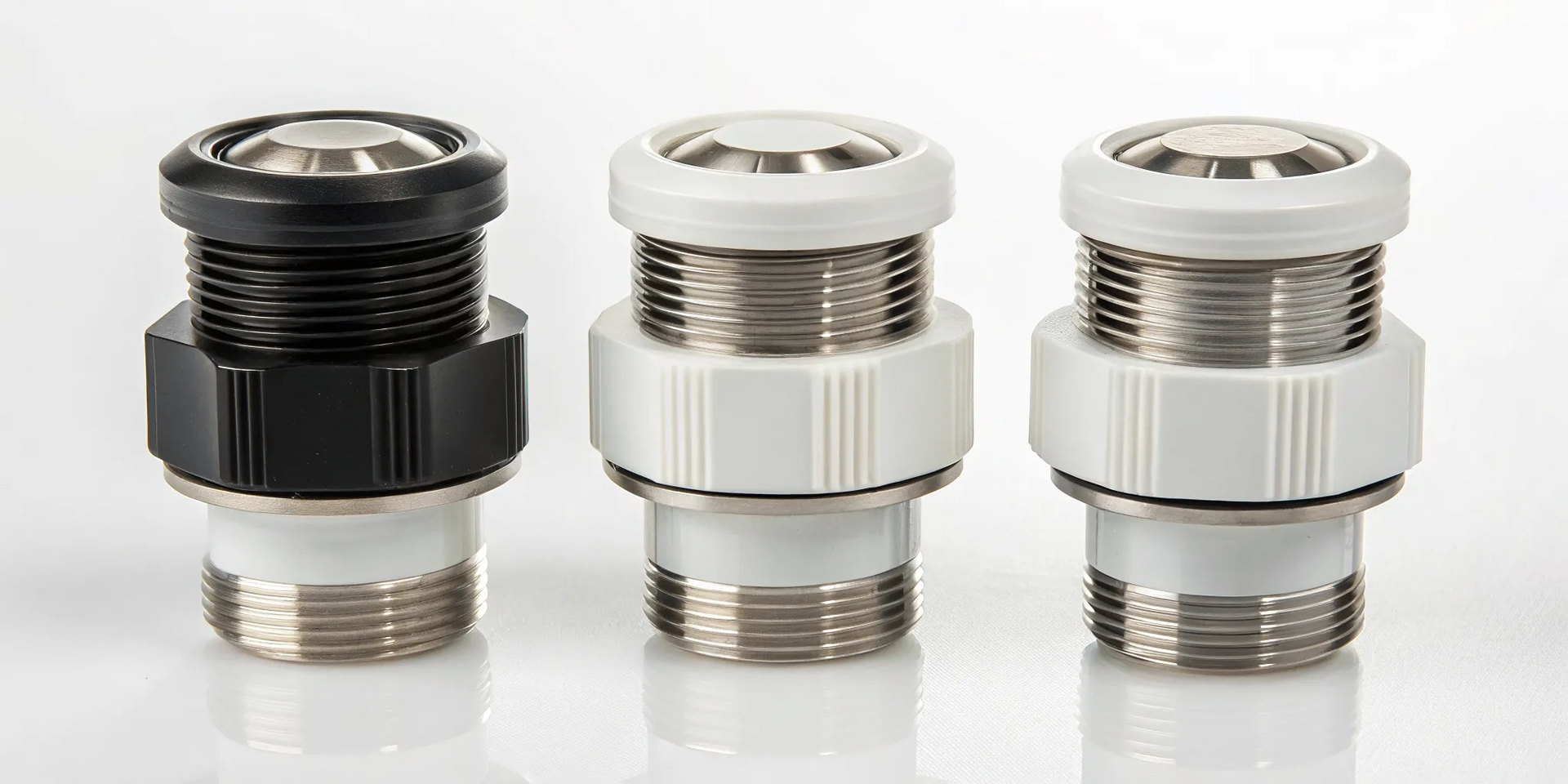
The seal is the most critical component of an AAV. Its entire purpose is to create an airtight barrier against sewer gas. While a standard AAV uses a single seal, a dual seal design provides an essential layer of extra protection. Think of it as having a backup. This design significantly improves the valve's ability to keep gases contained and also helps protect plumbing system traps. Tuuber’s patented AAV is the only one on the market with a dual seal and triple flow passage, offering a more robust and reliable solution for venting your plumbing system and preventing foul odors from escaping.
Why Tuuber's dual seal AAV is the professional's choice
For plumbing professionals, reliability is everything. A failed valve can mean an unpleasant and costly callback. This is why so many pros choose Tuuber’s dual seal AAV. It offers twice the sealing capability of standard single-seal valves, which translates to long-term peace of mind for both you and your clients. This superior design ensures sewer gas and odors are securely contained for the lifetime of the product. When you need to terminate a vent pipe and guarantee a durable, reliable seal, choosing a patented dual sealing valve is the smartest move for a successful installation and a job done right the first time.
Related Articles
- TUUBER™ Dual-Seal 20 Vent Air Admittance Valve AAV
- TUUBER Air Admittance Valve AAV Vent
- TUUBER™ air admittance valve instructions
- TUUBER™ air admittance valve technical specifications
- AAV Limited Lifetime Warranty
Frequently Asked Questions
What makes a dual-seal AAV better than a standard single-seal one? Think of it as having a built-in backup plan. The main job of an AAV is to block sewer gas, and the seal does all the work. While a single seal is usually fine, it's a single point of failure. Over time, debris or wear could compromise it. With a dual-seal valve, a second seal is always ready to provide a secure barrier. This extra layer of protection gives you confidence that the system will remain airtight for the long haul, preventing any unpleasant odors from escaping.
How long do AAVs last, and will I know if it stops working? A well-made AAV, like one certified to ASSE standards, is designed for a long service life. However, since it is a mechanical part, it will not last forever. If a valve fails, you will likely notice symptoms like gurgling drains or, in a worst-case scenario, sewer odors, which means the seal is no longer working. This is why installing the valve in an accessible location, like under a sink or behind an access panel, is so important. It makes inspection and replacement a quick and simple job when the time comes.
Do air admittance valves make noise when they operate? This is a great question. When an AAV activates, it can sometimes make a faint "swoosh" or hissing sound as it draws in air to equalize the pressure in the pipe. This is completely normal and just means the valve is doing its job. The sound is usually very quiet and brief, so you are unlikely to notice it during regular use. If you hear a constant gurgling from your drains, that might point to a different plumbing issue, not the AAV itself.
How do I know what size AAV I need for my project? Choosing the right size depends on the number and type of fixtures you need to vent, which is measured in Drainage Fixture Units (DFUs). A small AAV might be perfect for a single sink, while a larger one is needed for a branch venting multiple fixtures, like a full bathroom. The valve's packaging or manufacturer's specifications will tell you the maximum DFU rating it can handle. Always match the valve's capacity to your system's needs to ensure it can provide enough air for proper drainage.
Are AAVs approved for use everywhere? Air admittance valves are widely accepted and included in major plumbing codes like the IPC and UPC, so you can use them in most places. However, some local jurisdictions have their own specific amendments or rules about where and how they can be installed. For example, some areas might have different height requirements or limit the number of AAVs in a system. It is always a smart move to confirm with your local building department to ensure your project is fully compliant from the start.