Sewer Gas Smell Kitchen Drain AAV: How Failed Seals Let Odors Into Your Home
Kitchen sinks that smell like raw sewage often have an air admittance valve with a broken internal seal. While P-traps usually get the blame, a leaking valve under the cabinet is a common source of gas leaks. Checking this specific part is the fastest way to clear the air.
Need a reliable solution? Call (877) 788-8237 or shop Tuuber's patented Dual-Seal 20 AAV today.
A sewer gas smell kitchen drain aav failure occurs when a plumbing vent valve loses its airtight seal. This failure lets bad methane smells escape into your sink cabinet, where they can linger and cause a health risk to your family. While these valves should block gas, standard single-seal models often wear out from age or harsh cleaners; this leaves your home unprotected from foul odors. Fixing this bad smell requires replacing the worn part with a high-quality valve that follows ASSE 1051 rules and provides a much stronger, airtight seal. Upgrading to a patented dual-seal design provides a second backup seal that prevents leaks even if the first seal fails, keeping your kitchen fresh and safe.
Finding the exact source of a sewer leak is the first step toward fixing your kitchen plumbing. While most homeowners check for a dry P-trap, there are several other broken parts that allow bad air to get past your drain seals. The path to a fresh kitchen begins with the answers to: Why Does My Kitchen Drain Smell Like Sewer Gas?
Sewer Gas Smell Kitchen Drain Aav: Why Does My Kitchen Drain Smell Like Sewer Gas?
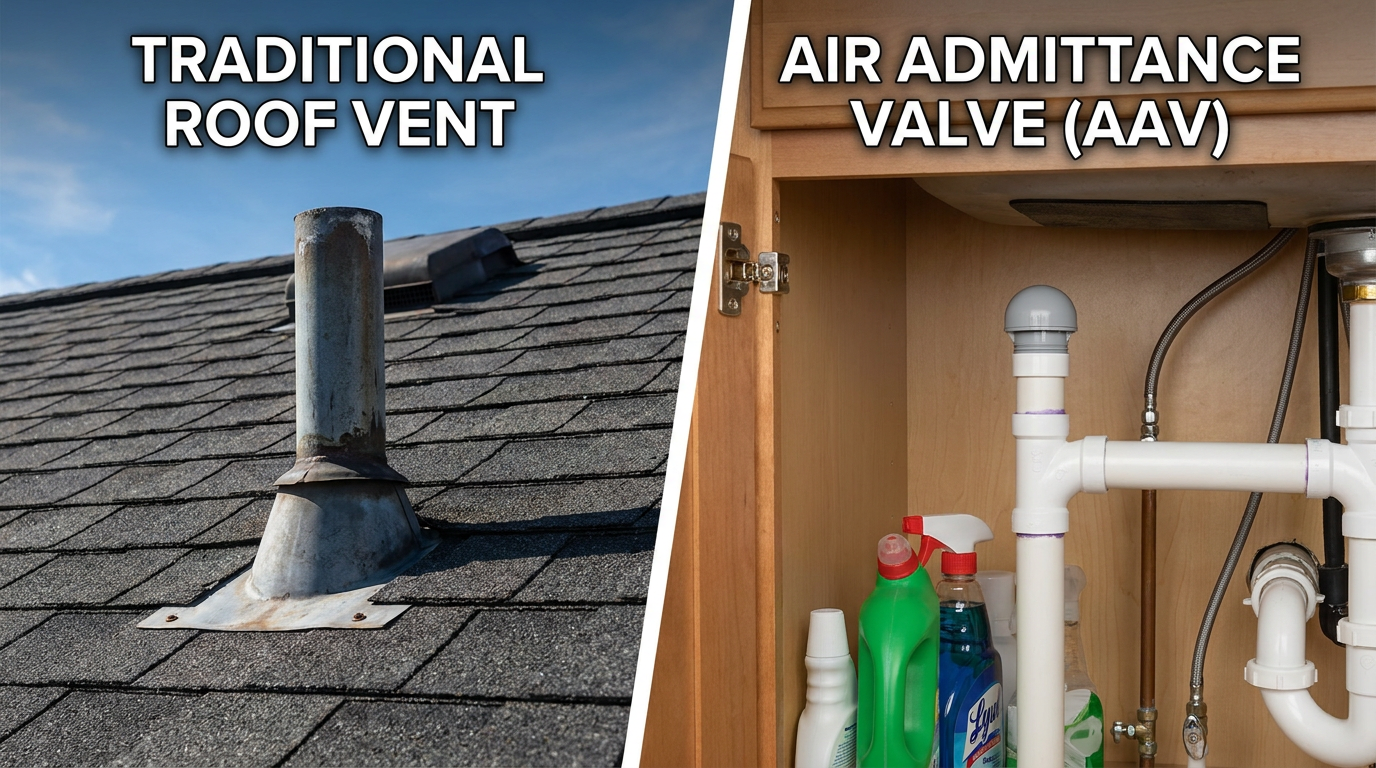
A sewer gas smell in your kitchen drain often means there is a gap in your pipes. While many people think of dry traps or clogged vents first, a failed air admittance valve (AAV) is a plain cause that people miss. These valves are key for venting sinks where a common pipe cannot reach the roof. If the valve fails, it can let foul air from the sewer line into your home.
Failed Air Admittance Valves
An AAV uses a small seal to let air into the pipes while keeping odors out. When you run water, the valve opens to let air in so the drain flows well. Once the water stops, the seal should drop back into place to block gas. But those seals can wear out or get dirty over time. Many single-seal AAVs have a 15% to 20% failure rate within ten years of use. When this seal stops working, it lets sewer gas leak out from under your sink. You can learn more about these parts in our air admittance valve code guide.
Dry P-Traps and Clogged Vents
The P-trap is the U-shaped pipe under your sink. It holds a small pool of water that blocks gas from the sewer. If you do not use the sink for a few weeks, that water can dry up. Without the water, nothing stops the smell from rising into the room. Roof vents can also cause this problem. If a nest or ice blocks the vent on your roof, the pressure can change. This can pull the water out of your trap as you drain the sink. This leaves the path open for sewer gas in your home to spread.
Cracked Pipes and Loose Fittings
Sometimes the smell comes from a real break in the line. A small crack in a PVC pipe or a loose nut on a joint can let gas escape. Even a tiny hole can create a big smell because sewer gas is strong. If your trap is full and your AAV is new, check the joints for signs of leaks. You may need to tighten a slip nut or use a glue to close the gap. Fixing these small leaks can stop the odor and keep your air clean and safe.
How a Failed Air Admittance Valve Allows Sewer Odors to Enter
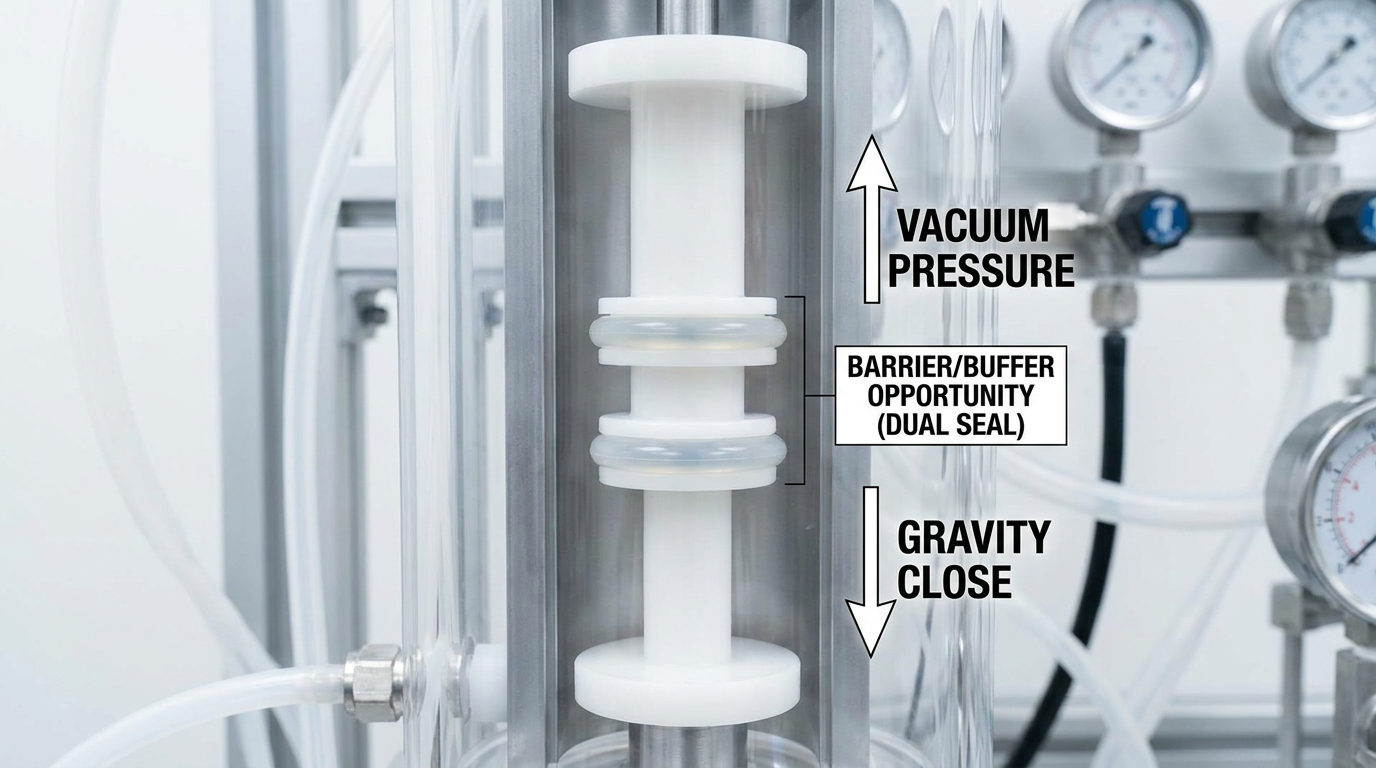
An air admittance valve (AAV) acts as a one-way door. It lets air into the drain pipes but keeps sewer gas out. When the valve works, it stays shut unless there is suction from moving water. If the seal inside the unit fails, that one-way door stays slightly open. This allows a sewer gas smell kitchen drain aav issue to fill your home with foul air.
Common ways a single seal fails
Most AAVs use a single seal design. This means just one piece of rubber or plastic stops sewer gas from escaping. Over time, this thin part wears out. The Environmental Protection Agency (EPA) notes that sewer gas can contain methane and hydrogen sulfide, which are both smelly and toxic. In single seal units, a few things lead to failure:
- Fumes from drain cleaners dry out and crack the seal.
- Dust or grit gets stuck in the valve and stops it from shutting tight.
- Mechanical wear causes the seal to warp after years of use.
Data shows that single seal valves have a 15% to 20% failure rate within ten years. When the seal fails, gas leaks out every time the air pressure changes in your pipes. You can learn more about how these parts work in our air admittance valve code requirements guide.
The dual seal failsafe design
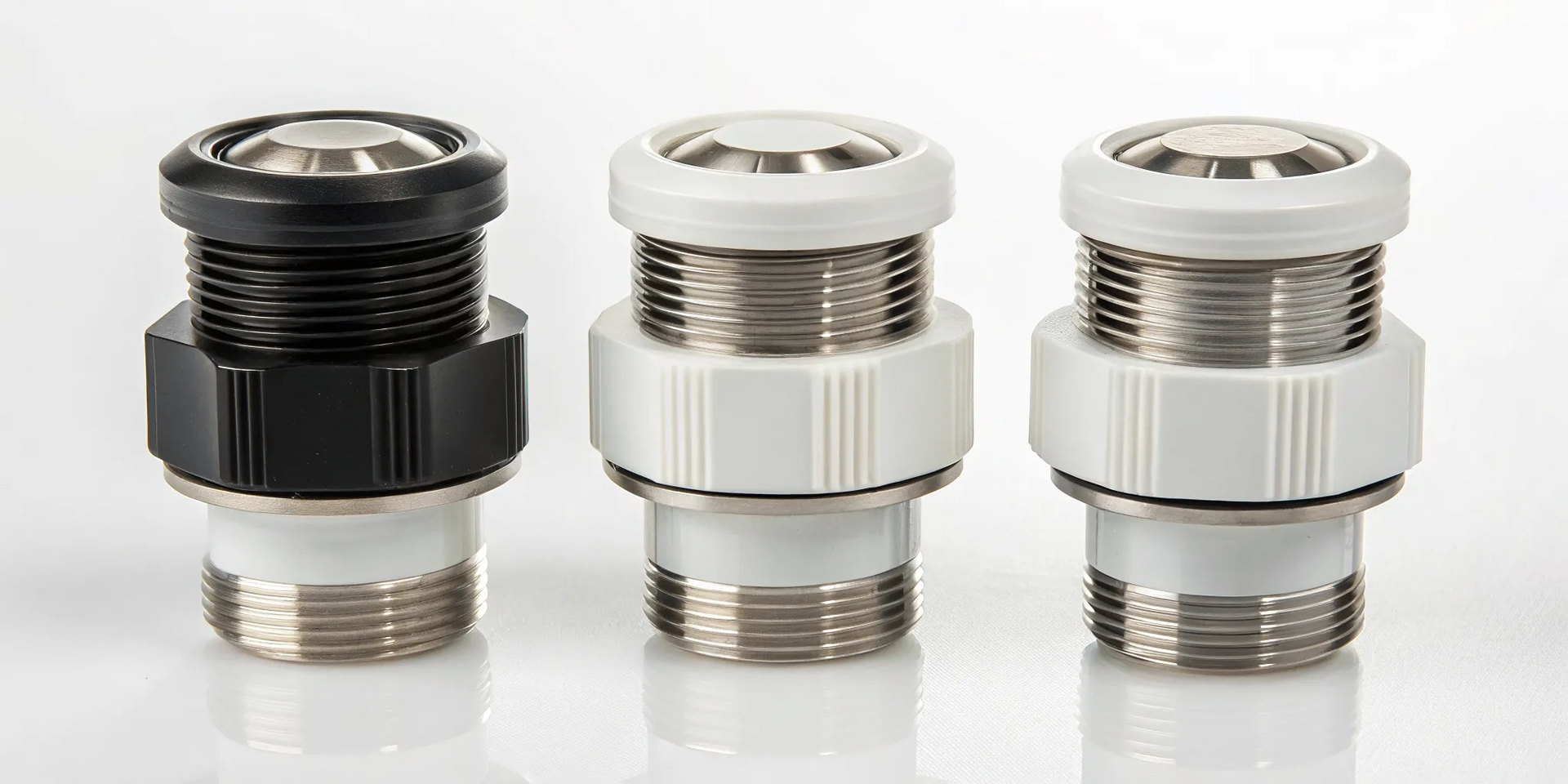
A failed valve is a risk to your comfort and safety. To solve this, the Tuuber Dual-Seal 20 AAV uses two seals that work on their own. If the first seal gets dirty or wears down, the second seal acts as a backup. This stop odors even if one part fails. This design helps you avoid the gas leaks seen in single seal models.
Tuuber valves also use a more sensitive trigger. While most valves need a lot of suction to open, these units start at just -0.01 psi of pressure. This ensures the pipes vent well without letting any gas escape back into the room. All Tuuber products show full compliance with ASSE 1051 standards for residential drain venting.
Diagnosing Whether Your AAV Is the Source of the Smell
When you find a sewer gas smell kitchen drain aav issue, you must act fast. This foul smell often comes from a worn seal inside the air admittance valve. A small leak here can let bad smells into your home all day and night. Finding the source of the leak is the first step to fixing your kitchen sink problems.
Why does my kitchen drain smell like sewer gas?
Your kitchen sink uses a P-trap to hold water. This water block keeps sewer odors out of your house. But a failed air admittance valve lets these gases bypass the trap. If the valve seal is dry or cracked, it stays open. This lets sewer air flow right into your room instead of going up the vent. Most of the time, the seal fails when the rubber parts get old and stiff.
Step-by-Step AAV Test Guide
Follow these steps to find out if your air admittance valve is the source of the sewer smell in your kitchen sink.
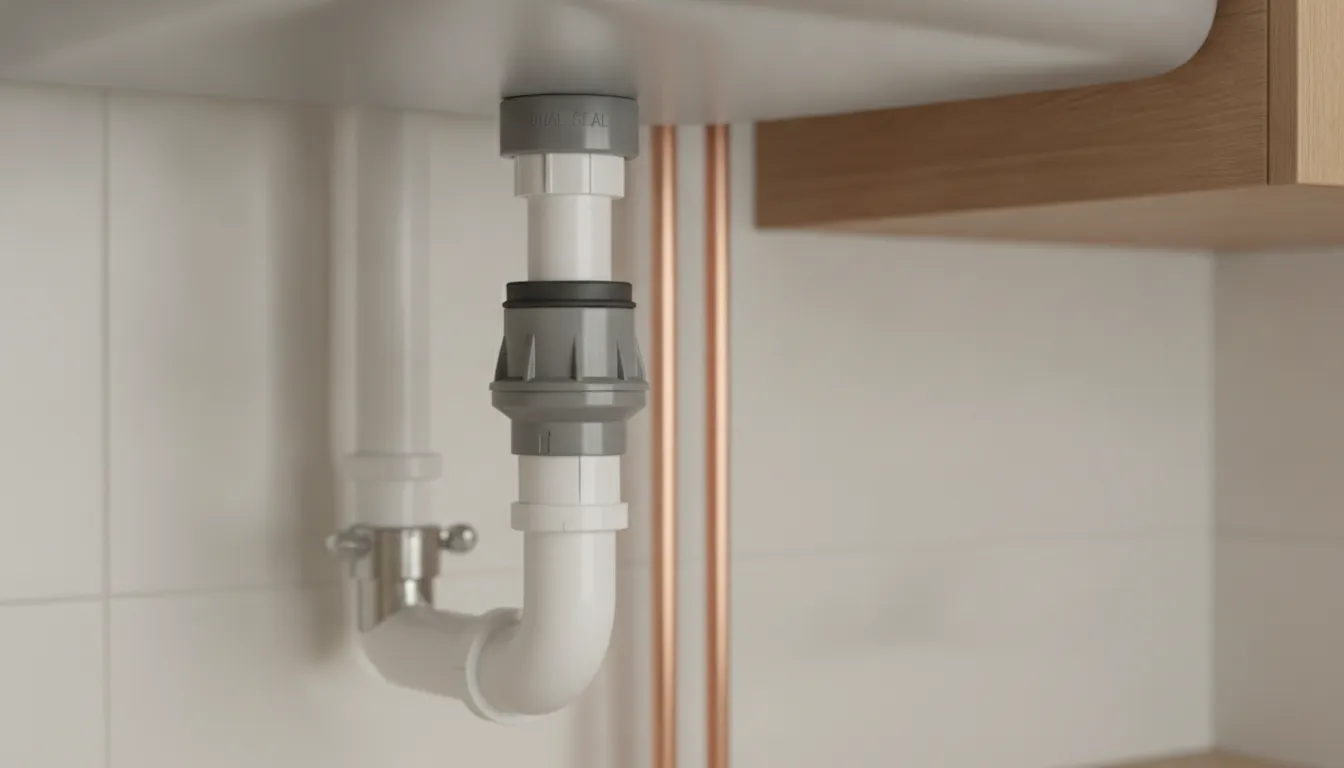
- Locate the AAV under your kitchen sink. It usually sits on an upright pipe near the back of the cabinet.
- Perform a smell test by putting your nose close to the top of the valve cap. If the scent is strong here, the inner seal is likely leaking.
- Check the unit for clear cracks, dirt, or signs of wear. Even a small bit of hair or dust can stop the seal from closing all the way.
- Find the age of the unit. Many single-seal valves only last about 10 years before the rubber parts get too hard to form a good seal.
- Listen for a soft hissing or whistling sound when you drain the sink. This sound shows that air is leaking past a weak or broken seal.
Where should my air admittance valve be placed?
Proper height and placement are key for a good seal. The unit must be in a spot that you can reach easily for checks and repairs. Most plumbing rules require the valve to sit at least 6 inches above the sink's flood level or any attic fill. This height ensures the seal stays dry and free from debris. For more on these rules, read our AAV code rules guide. Keeping the valve high prevents water from backing up into the unit and causing it to fail.
Single-Seal AAV Failure vs Dual-Seal AAV Protection
Most common air admittance valves (AAVs) use a single-seal design to block odors. Brands like Oatey and Studor rely on one thin part to keep sewer gas out of your kitchen. If this one part fails, there is no backup to stop the smell from entering your home. Tuuber solves this problem with its dual-seal build. It uses two separate seals to provide safe, long-term use.
The risks of single-seal failure
Single-seal valves have a high failure rate over time. Data shows that about 15% to 20% of these valves fail within 10 years of use. This often happens as the seal wears down from age or strong cleaners. When the seal fails, it stays open or leaks. This lets harmful sewer gases like hydrogen sulfide enter your home. These gases can cause health issues, as noted by the National Institutes of Health.
Redundant protection with dual seals
Tuuber Dual-Seal 20 valves use a new way to keep your home safe. Instead of one seal, these valves use two. If the first seal fails, the second seal stays shut to keep your air clean. This dual-seal AAV technology gives you peace of mind. It helps you avoid the cost and mess of changing valves every few years.
Comparing AAV designs and safety
Picking the right valve depends on how much you care about trust. While single-seal parts are easy to find in stores, they lack a backup plan. Tuuber also offers a Limited Lifetime Warranty for home use. This is much better than the 5 to 10 years offered by most other brands.
FeatureSingle-Seal AAVsTuuber Dual-Seal AAVSealing PartsOne membraneTwo separate sealsBackup PlanNoneDual-seal protectionFailure Rate15-20% in 10 yearsLow (patented build)Flow RateStandard30% higher flowWarranty5-20 yearsLimited Lifetime How to Fix a Sewer Gas Smell Caused by a Worn-Out AAV
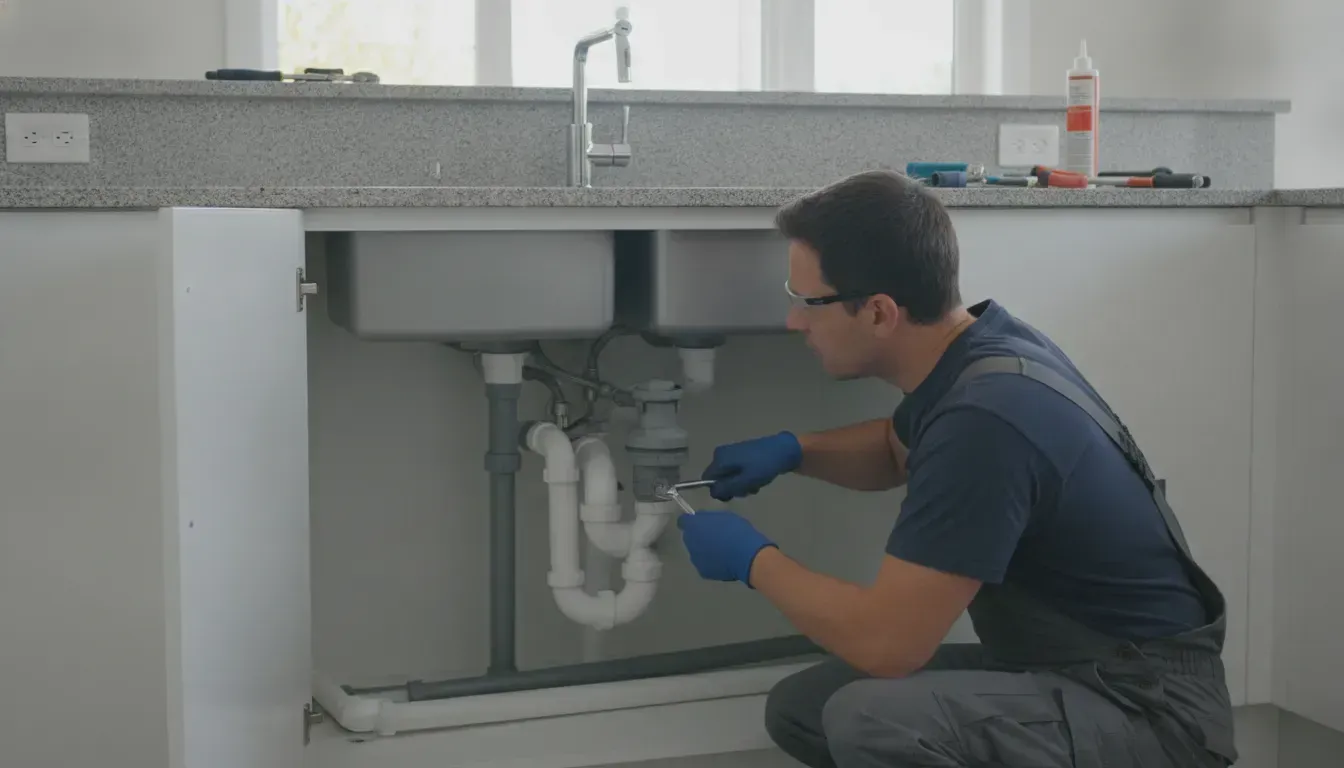
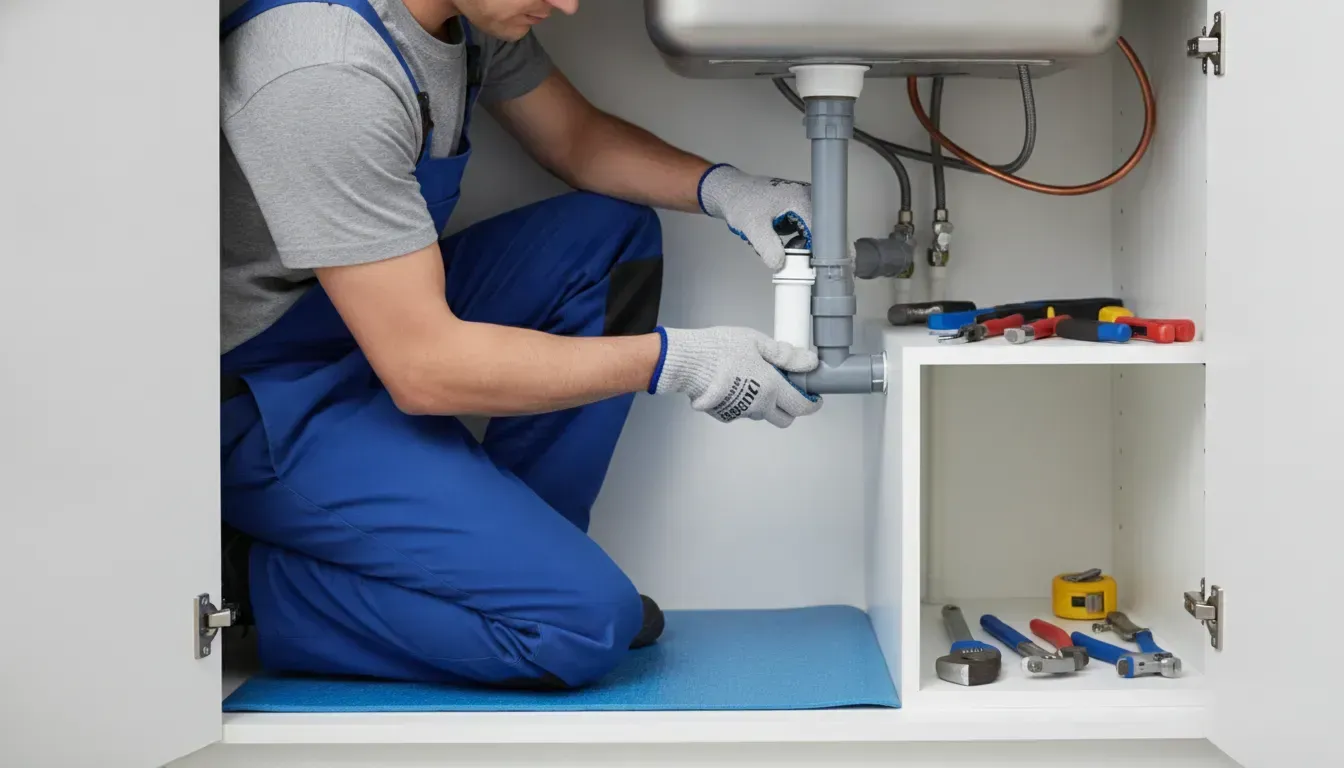
Fixing a sewer gas smell kitchen drain aav issue is a simple DIY task. Most air admittance valves last for years, but a worn seal will eventually leak odors. If you find your old valve has failed, you can replace it in just a few minutes with basic tools.
Gather your tools and parts
You do not need many tools for this fix. Most valves unscrew by hand. You might need a pair of channel lock pliers if the old part is stuck. You will also need a new valve. Tuuber offers 1.5 inch and 2 inch models to fit common pipe sizes. If your current setup uses old rubber boots, consider a flexible coupling kit for a better seal. The EPA (Environmental Protection Agency) suggests keeping plumbing seals tight to prevent sewer gas leaks in your home.
Remove the old air admittance valve
Start by clearing the space under your kitchen sink. You do not need to shut off the main water supply for this job. Locate the valve, which is usually at the top of a vertical pipe near the drain. Grasp the valve and turn it counter-clockwise to unscrew it. If it is tight, use your pliers gently. Once it is off, wipe the pipe threads with a damp cloth to remove any old debris or tape. Inspect the pipe for any cracks that could also let gas escape.
Install the new Tuuber AAV
Take your new Tuuber Dual-Seal 20 valve and check the threads. Apply a small amount of pipe thread tape or sealant if the maker recommends it. Screw the new valve onto the pipe by hand. Turn it clockwise until it is snug. Do not over-tighten it, as this can crack the plastic. The valve must sit straight and upright to work. A straight fit lets the dual-seal AAV technology open and close correctly with every flush. This simple fix should stop the smell right away.
Frequently Asked Questions
How long does a kitchen air admittance valve last?
Most single-seal air admittance valves last about ten years before the seal starts to fail. Industry data shows that 15% to 20% of these valves fail within ten years. When the seal wears out, it allows sewer gas to enter your home through the drain. Tuuber valves solve this problem with a dual-seal design. They also come with a limited lifetime warranty for home use.
Are air admittance valves legal for use under a kitchen sink?
Yes, air admittance valves are legal for kitchen drains in most places. These valves must comply with ASSE 1051 rules for branch vents. Most states follow the IPC or IRC codes, which permit these devices in homes. You should still check with your local building office. They can tell you if there are any special rules for your city or county.
Can a homeowner replace a failed air admittance valve?
Most homeowners can replace a bad air admittance valve with basic tools. These valves usually screw onto a pipe under the sink. You just unscrew the old, smelly valve and screw on the new one by hand. If your old valve is glued on, you might need a tee adapter kit. This kit makes it easy to install the new valve without leaks.
Does an air admittance valve require regular maintenance?
Air admittance valves do not need regular cleaning. However, you should keep them where you can reach them. This makes it easy to check them if you smell sewer gas. Since these valves use seals that can wear out, they will one day need to be replaced. Choosing a valve with a limited lifetime warranty helps if the part fails later.
Are you ready to stop the foul sewer gas smell in your kitchen for good today?
Leaving a failed valve in place lets foul odors and sewer gases flow into your home every time you use your sink or kitchen drain. If you wait to fix the leak, the smell will only get worse as the old seal continues to break down inside your home. Putting in a new dual-seal valve right now stops the odor right away and keeps your air clean for many years to come.
Ready to browse Tuuber's patented Dual-Seal 20 AAV products? Call (877) 788-8237 to talk to a pro and find the right dual-seal valve for your home right now and for the years ahead.