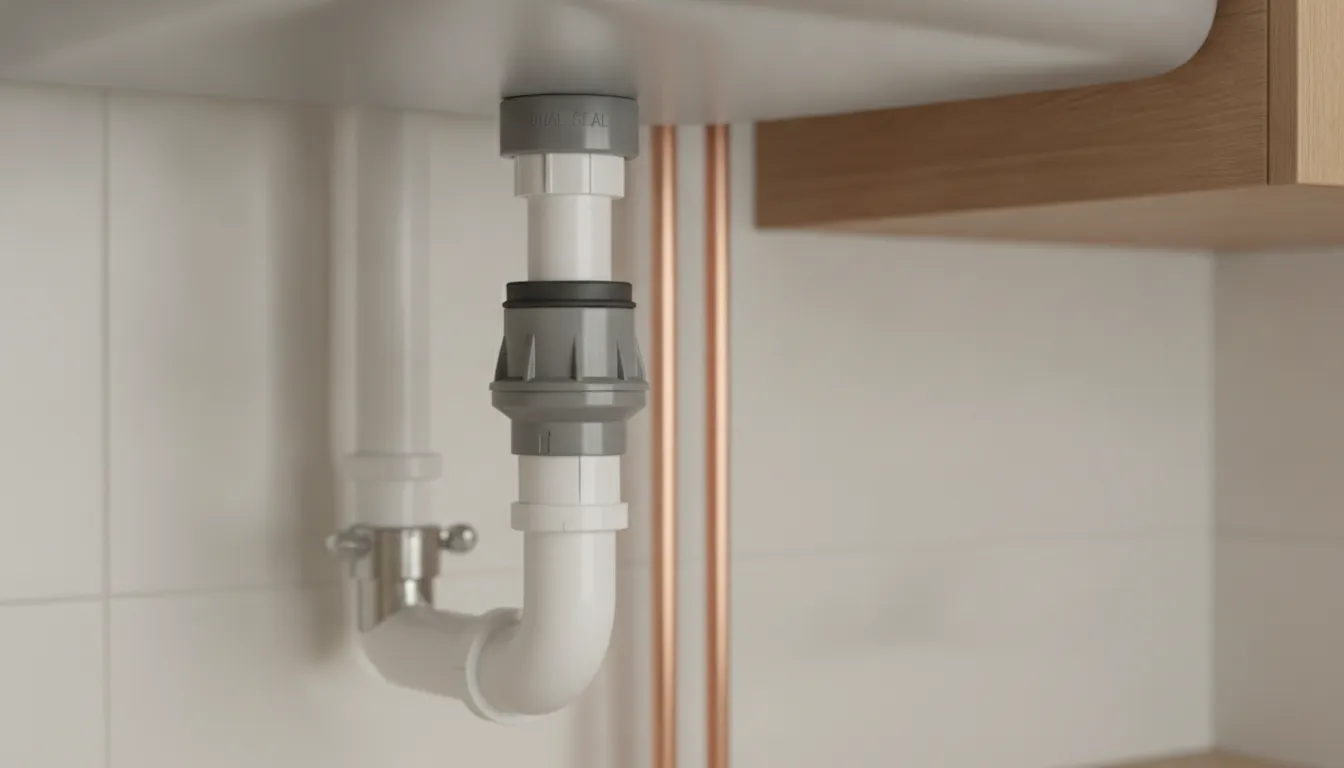
Air Admittance Valve for Toilet: Code & Installation Guide
A gurgling toilet bowl after a flush indicates a serious venting problem in your home. Correcting this pressure issue usually requires running expensive pipe through your ceiling and roof. Fortunately, mechanical valves can provide a simpler local solution if your plumbing inspector allows them.
An air admittance valve for toilet venting can serve as an approved option in many new residential drainage systems. However, local plumbing codes restrict its use because toilets create massive air displacement during each flush cycle. These mechanical, one-way valves open to admit air when negative pressure occurs in your drain pipes. This simple pressure control prevents siphoning, which protects trap seals and blocks sewer gas from entering your living spaces. To satisfy codes, the valve must stand upright at or above the flood level rim and remain fully accessible. Before starting your project, you must check local codes and read our detailed guide on reaching code compliance for toilet venting.
Many homeowners and plumbers wonder if a mechanical vent is safe enough for a high-flow toilet. To answer this, we must look at what national codes say about water flow and pressure. Let us address the big question: Can You Use an Air Admittance Valve for a Toilet? Here's how.
Can You Use an Air Admittance Valve for a Toilet?
Yes, you can use an air admittance valve for toilet venting in many areas. Under the International Plumbing Code, these vents are a great way to clear air without running heavy pipes through your roof. But you must check your local guidelines first. Because a toilet moves a lot of water very fast, local codes often have strict rules for these valves.
How the Valve Helps Vent Your Toilet
To see how this setup works, you must look at how water moves. When you flush, a large rush of water flows down the drain pipe. This fast movement creates suction behind the water. Without a proper vent, this negative pressure can pull water right out of the toilet trap. This trap siphoning can lead to a dry bowl, which lets sewer gas flow into your bathroom.
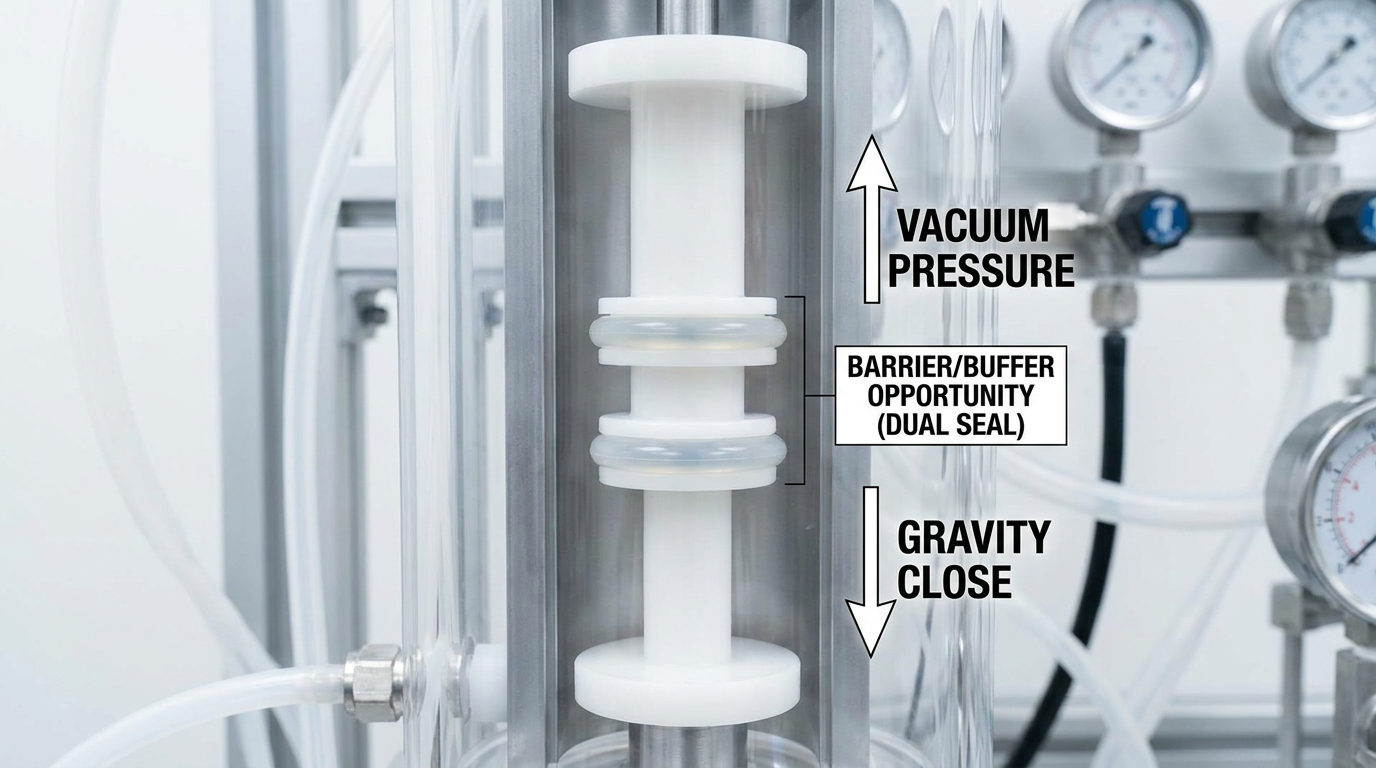
An air admittance valve solves this pressure issue. To see this in detail, you can read about how an AAV opens and closes. In simple terms, the valve stays closed when there is no water flow. But when you flush, the negative pressure in the pipe lifts a seal inside the device. This lets fresh air rush in to protect the trap seal. Once the flow stops, gravity pulls the seal shut to block any bad smells.
The Challenge of Toilet Venting and Code Limits
While these valves work great for sinks, a toilet is the hardest fixture to vent in your home. A single flush moves up to 1.6 gallons of water in just a few seconds. This sudden surge displaces a huge volume of air. If your vent is too small or reacts too slowly, the strong suction will pull water from your trap before the valve can even open. This is why plumbers are often very cautious about using these valves on a toilet.
Because of this high air demand, you must check your local plumbing rules. While national codes allow these vents, local cities have the final say on vent code details for toilets. Some states restrict their use on toilets or require a special permit. For example, Massachusetts plumbing rules often block these vents unless you get special permission from the state board. Always consult a local plumber to make sure your project is safe and legal.
How an Air Admittance Valve for a Toilet Works with Your Drainage System
A home waste system needs two things to work well: gravity to pull waste down and airflow to keep air pressure steady. When waste moves through a pipe, it pushes air ahead and pulls air behind it. If no air can get in, a vacuum forms. To keep waste moving, you must know how a one-way AAV balances air pressure in a home plumbing system.
The Role of Gravity and Airflow
Plumbing pipes rely on gravity to carry waste away from your home. But gravity alone is not enough to keep the water flowing smoothly. As waste rushes down a pipe, it leaves a space that needs air to fill the void, or it will create negative pressure. Without a vent, this suction will pull water out of nearby traps.
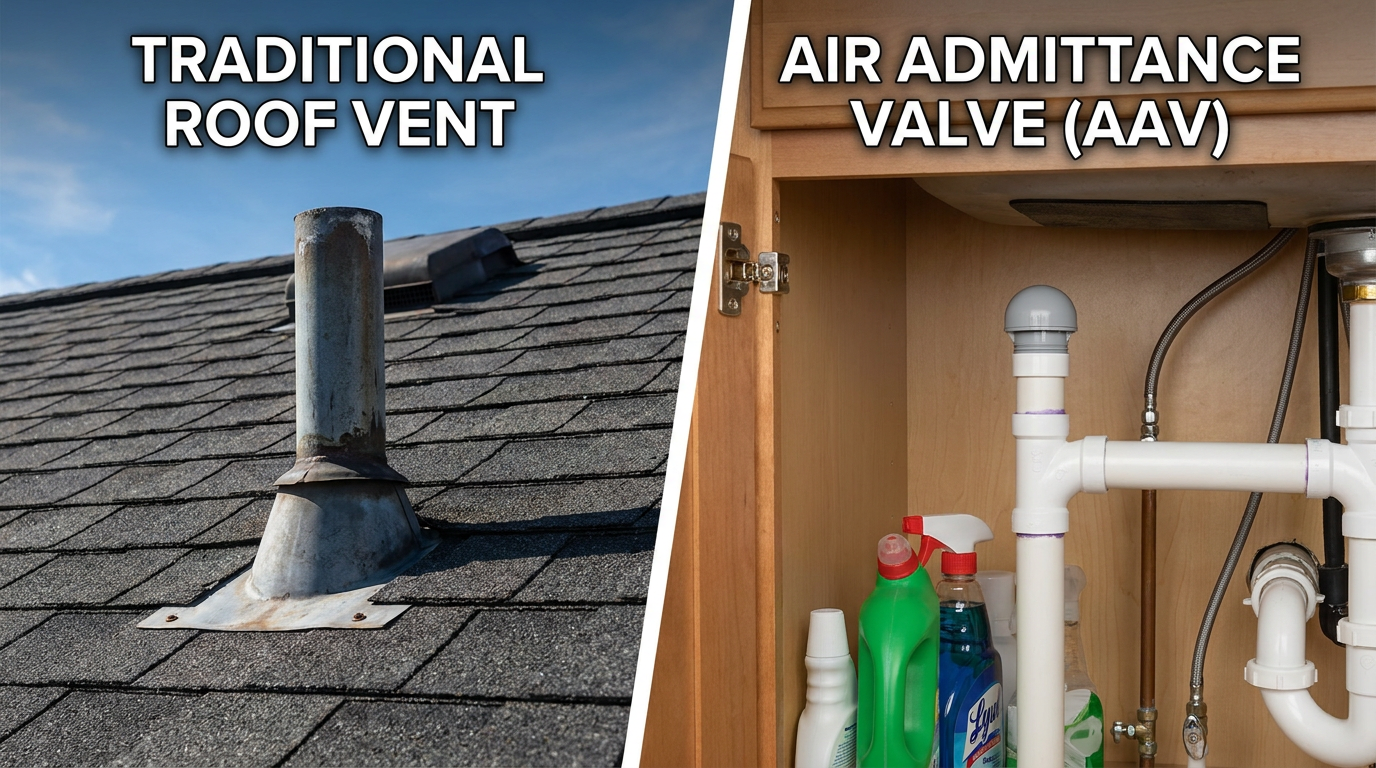
Old homes use a long vent stack that runs up to the roof to balance the pressure. An air admittance valve does this work right at the fixture instead. It is a local, demand-based venting device that does not need a hole in your roof. It sits on the drain pipe and waits for the pressure to drop.
How the One-Way Valve Opens and Closes
An air admittance valve is a one-way valve that reacts to pressure changes. Inside the unit, a light seal rests on a seat to keep sewer gas from leaking into your home. This seal stays closed when no water is running. The valve stays shut until you flush a toilet or run a sink.
When a toilet flushes, the heavy rush of water creates negative pressure in the pipe. This suction pulls down on the valve seal so air can rush in. Once the air pressure is equal, the seal drops back onto its seat. Gravity keeps it tight so no bad smells can get out.
Why Toilets Need Strong Venting
Toilets are a unique challenge for home plumbing systems because they dump a large volume of water in a few seconds. This sudden discharge moves fast and takes up the whole pipe. As it drops, it pulls a strong siphon behind it. If the air supply is too slow, the suction will drain the toilet trap.
When a trap loses its water seal, sewer gas can enter your bathroom. A failed vent system often makes a distinct gurgling sound. This noise happens because the system is gasping for air through the toilet bowl itself. If you hear this gurgle, it means your plumbing is under strain and needs better airflow.
Because toilets create such a high vacuum, local rules are very strict about using these valves. For example, some states do not allow them for toilets without special board approval. In Massachusetts, you cannot use air admittance valves without special permission, as outlined in the Cornell Law School library. Always check your local plumbing laws before you start.
Code Rules: IPC and IRC Guidance on Toilet AAV Venting
Model plumbing code allowances
Model plumbing codes give clear rules for using these valves. The International Plumbing Code (IPC) and the International Residential Code (IRC) both permit air admittance valves for many venting jobs. These model codes recognize that a mechanical vent can save time and pipe. But using an air admittance valve for toilet venting requires that you follow certain rules on fixture limits and sizing. Under the International Plumbing Code venting rules, you must size each valve for the drainage load of that branch.
The code requires you to mount the valve in an accessible spot. Air must be able to flow freely into the valve. You cannot seal an AAV inside a finished wall without a way to reach it. If you put the valve inside a wall cavity, you must use a vented wall box or an access panel. This ensures the valve can get fresh air and lets you service or replace the unit when needed.
State and local amendments
Even though model codes allow these valves, local rules have the final say. State and local plumbing codes often adapt or change the model codes. Some local areas allow AAVs on almost all fixtures. Other places put strict limits on their use, especially for high-flow fixtures like toilets. To ensure approved AAV venting rules, you must always consult your local inspector first.
In fact, some states do not allow AAVs at all for standard residential work. For example, Massachusetts plumbing rules generally ban these automatic vents. Homeowners and contractors there cannot install them unless they secure special permission from the plumbing board. This shows how much rules can vary from one state to another. You should never assume an air admittance valve for toilet installation is legal without checking local amendments.
Pressure limits and height rules
Plumbing codes also set strict physical rules for how you install these valves. The vent system must keep the air pressure inside your drain pipes stable. Standard code rules require that this pressure stays within one inch of water column to protect trap seals. If pressure shifts too much, sewer gases can enter your home. An AAV helps maintain this balance by opening the moment negative pressure starts to build.
To satisfy plumbing codes, you must install the valve at the correct height. Most codes require the AAV to sit at least four inches above the trap weir of the fixture. For a toilet, you must usually place the valve above the flood level rim of the bowl. Finally, you must follow the manufacturer's own instructions alongside local codes to ensure full venting and AAV compliance.
 DFU Load Requirements for Toilet Venting with an AAV
Every plumbing fixture in your home sheds waste at its own rate. To manage this flow, code groups use a simple scaling system. This system helps keep your pipes clear and free of sewer gas.
Understanding drainage fixture units
Plumbing codes measure drain waste in drainage fixture units, or DFUs. One DFU is about seven and a half gallons of water flow per minute. When you plan a vent system, you must add up the DFUs for all fixtures on the line. This total sum dictates the size of the vent pipe or valve you must install. It is a simple way to make sure your home plumbing works well.
An AAV is rated by the total load it can support. If you learn how these one-way vents operate in a system, you can size them with ease. Standard home units can vent up to 160 units on a branch. This means one valve has more than enough power to vent a home toilet.
Toilets need strong venting because they flush a large volume of water at one time. This rapid rush of water pushes a lot of air down the pipe. If the vent is too small, the rushing water can pull water out of nearby traps. This leads to bad sewer smells in your home. Venting is the only way to stop this from happening.
Plumbing FixturePrivate Use DFU LoadPublic Use DFU LoadPrivate Toilet (1.6 GPF)3 DFUsNot ApplicablePublic ToiletNot Applicable4 DFUsBathroom Group (Toilet, Tub, Sink)5 DFUs6 DFUsIndividual Sink2 DFUs2 DFUsWashing Machine3 DFUs3 DFUsBathtub with Shower2 DFUs2 DFUs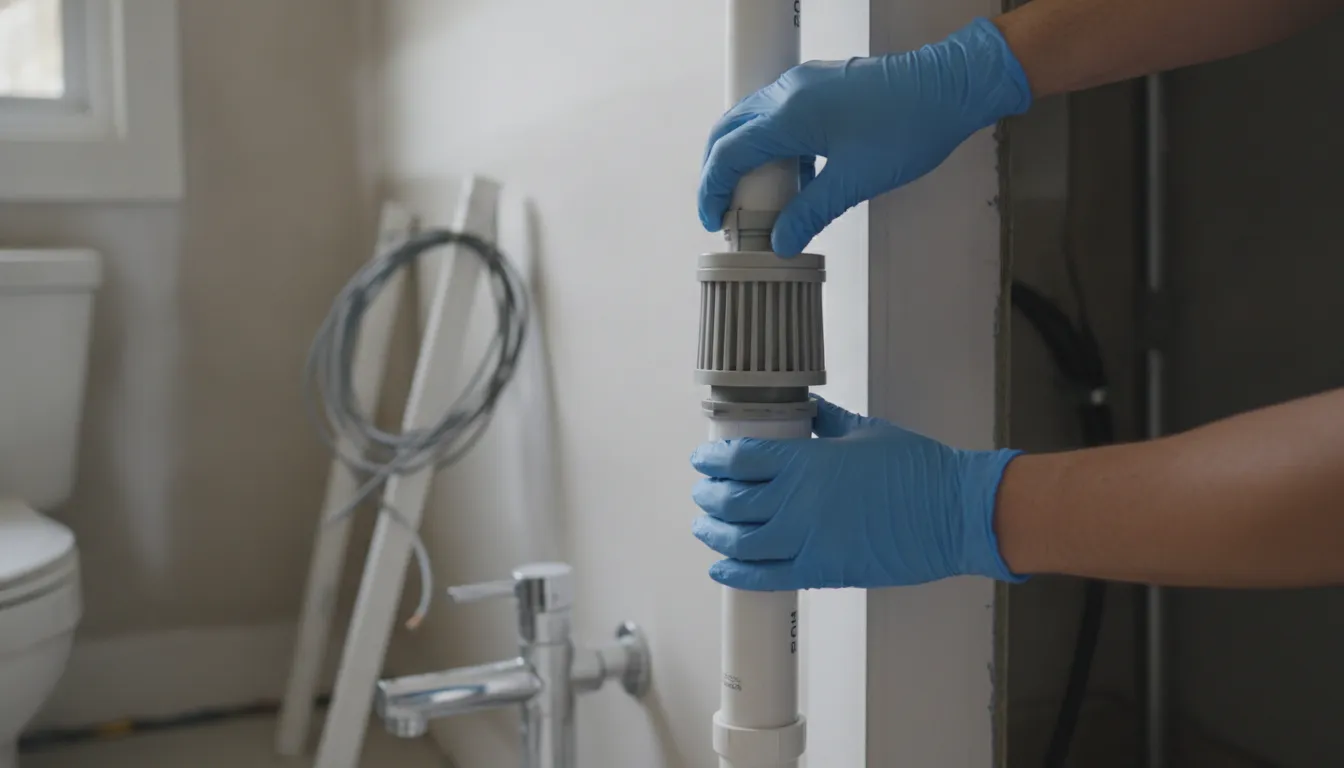 Branch capacity and multi-valve sizing
A standard home AAV is rated to vent up to 160 DFUs on a horizontal branch pipe. This rating is huge. It means one valve can vent many bathroom fixtures at once. But you must always add up the total load on the branch. A single valve may fail to vent a large branch if the fixture load is too high.
When you plan a bathroom layout, you must think about state plumbing regulations. Most local codes follow national rules. But some states have strict laws that you must follow. For instance, you can check the Massachusetts plumbing rules to see how some boards limit these devices. Always check with local rules before you start your project.
If a waste branch has too many fixtures, you can add more valves to handle the extra load. This helps when the combined DFU load exceeds the limit of one unit. Each valve must go in a place that has plenty of fresh air. This setup keeps air pressure equal to prevent slow drains and bad smells. So, check the load of every fixture first. Taking this step saves you time. It ensures your plumbing works without a hitch.
How to Install an AAV for a Toilet in a Basement Bathroom
Pre-installation planning
Adding a new bathroom in a basement can be a hard job. Standard venting needs you to run pipes up through the roof of your home. This process needs a lot of labor and can damage finished walls.
Using an air admittance valve for toilet venting can solve this problem. Using this valve can cut down on the pipe, fittings, and work you need for the job. This is a great choice for basement retrofits where a roof stack is hard to reach. But you must follow the correct steps to make sure your system works well.
The step-by-step process
- Check local codes. First, you must check if your local plumbing code allows you to use an air admittance valve for toilet venting. Some states, like Massachusetts, ban these automatic vents without special board approval according to state plumbing rules.
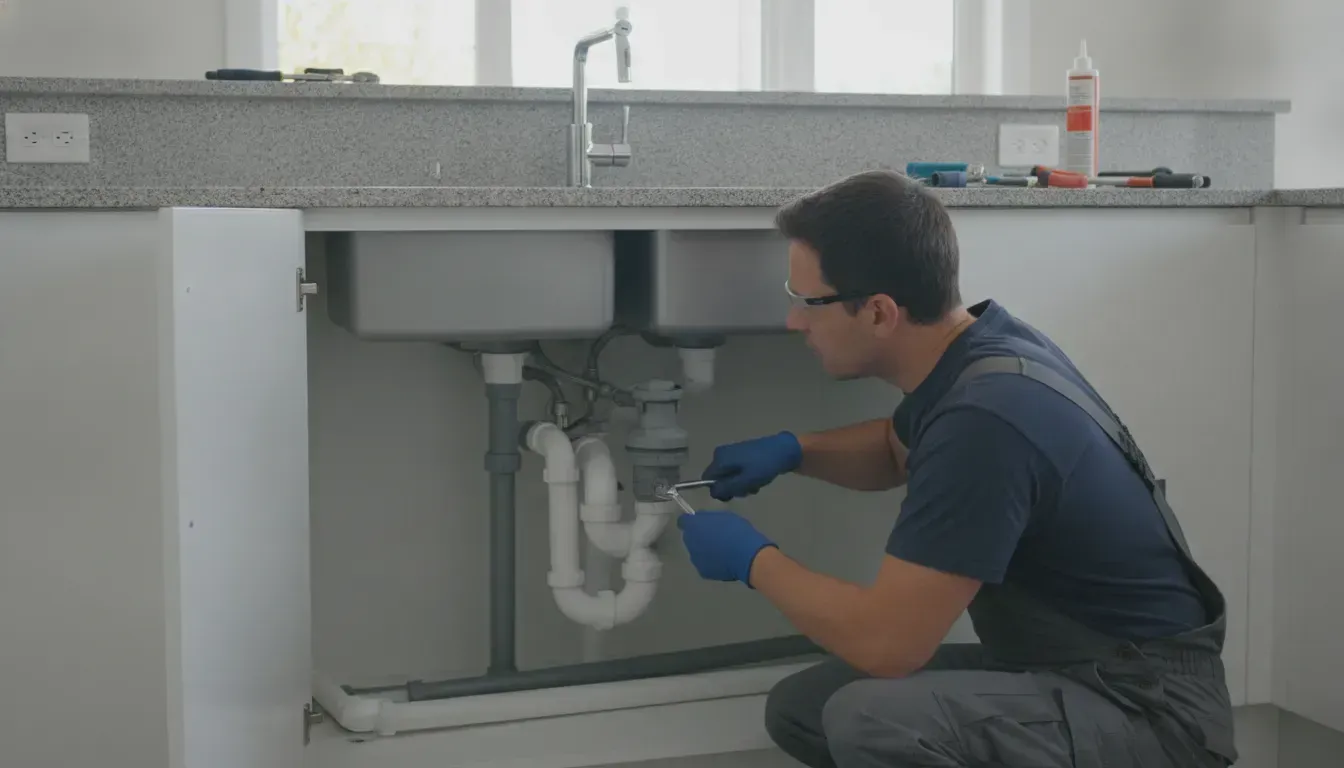
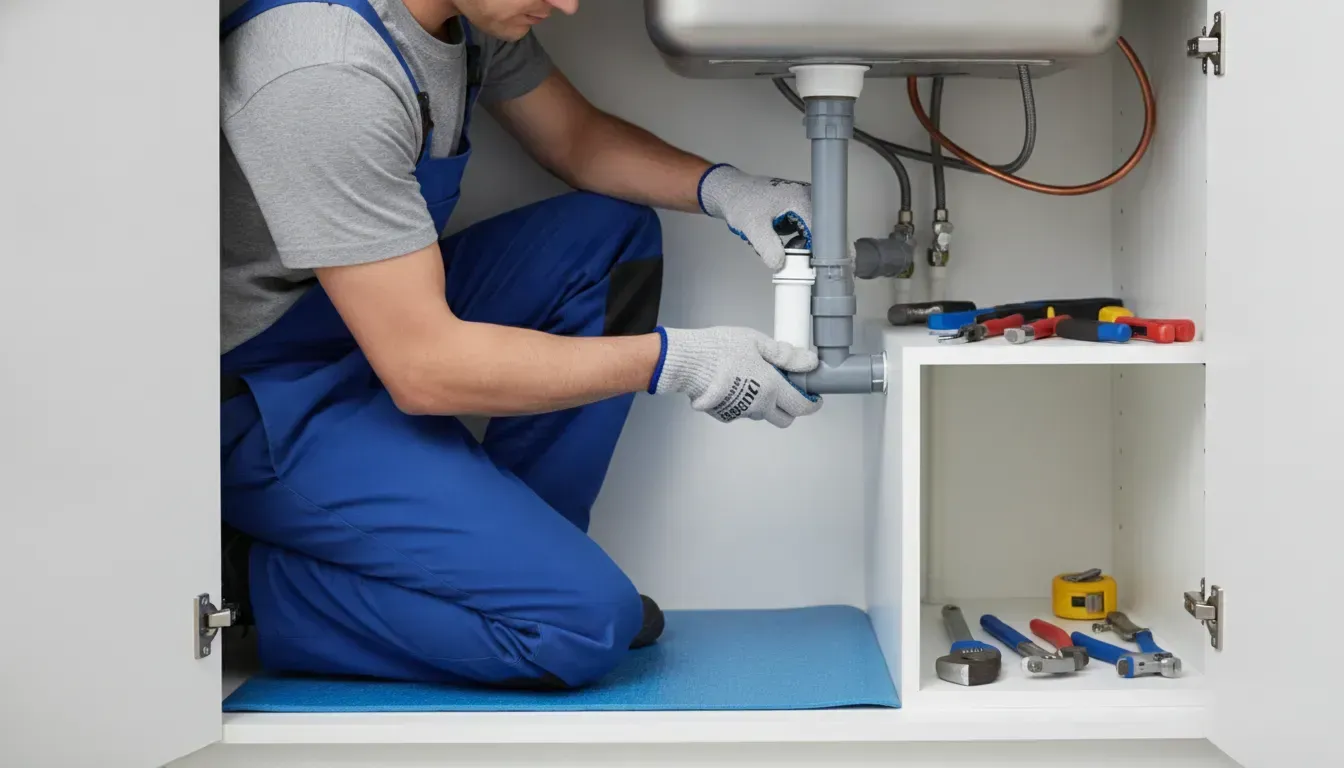
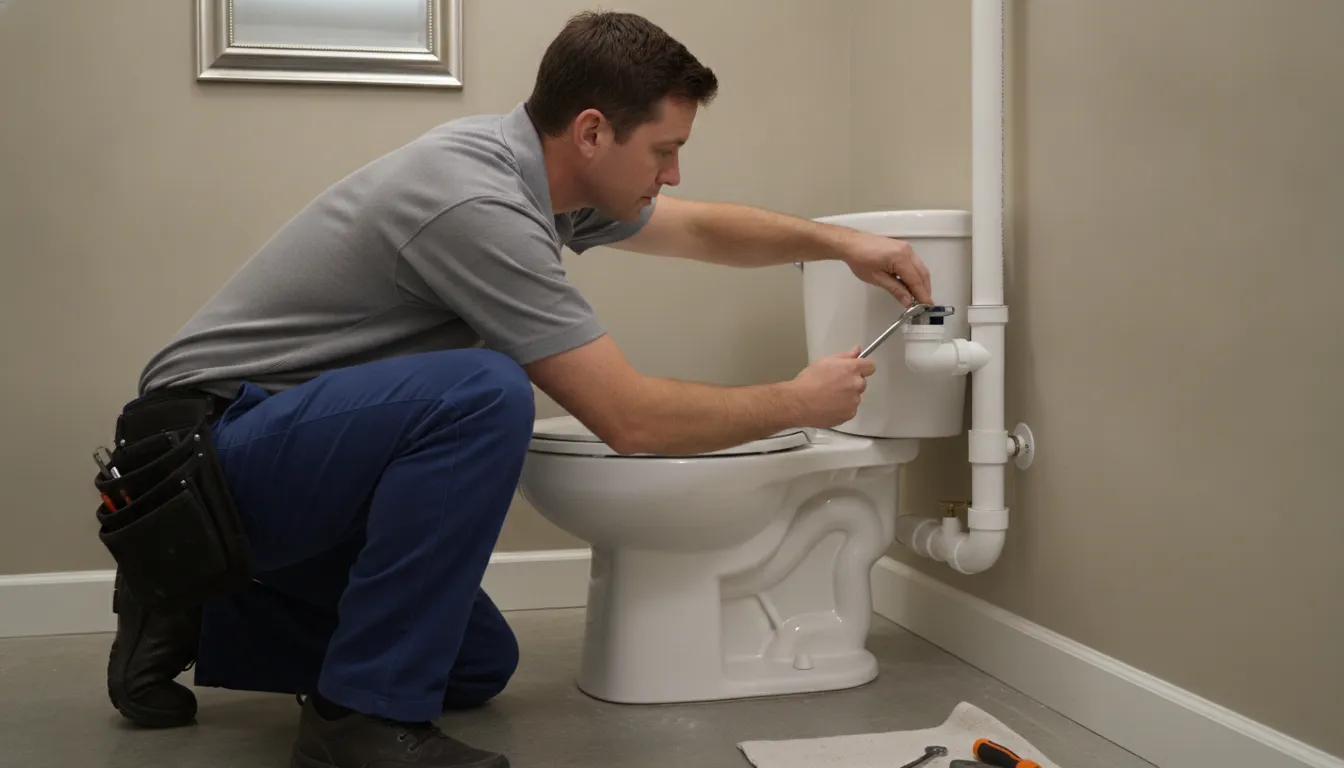
- Consult a professional. We strongly recommend that a licensed plumber do this work to ensure your project follows the code. An expert knows how to lay out the pipes so your toilet drains without leaks or bad smells.
- Find the valve height. You must place the valve at a set height above the trap weir, as defined by local code. For a toilet, the valve must be placed at or above the flood level rim of the fixture. This height keeps the valve safe from backup water if the drain gets clogged.
- Mount the valve upright. Always install your valve in a vertical position. An air admittance valve needs gravity to seal. If the valve is tilted, it might fail to close well and could let sewer gas into your home.
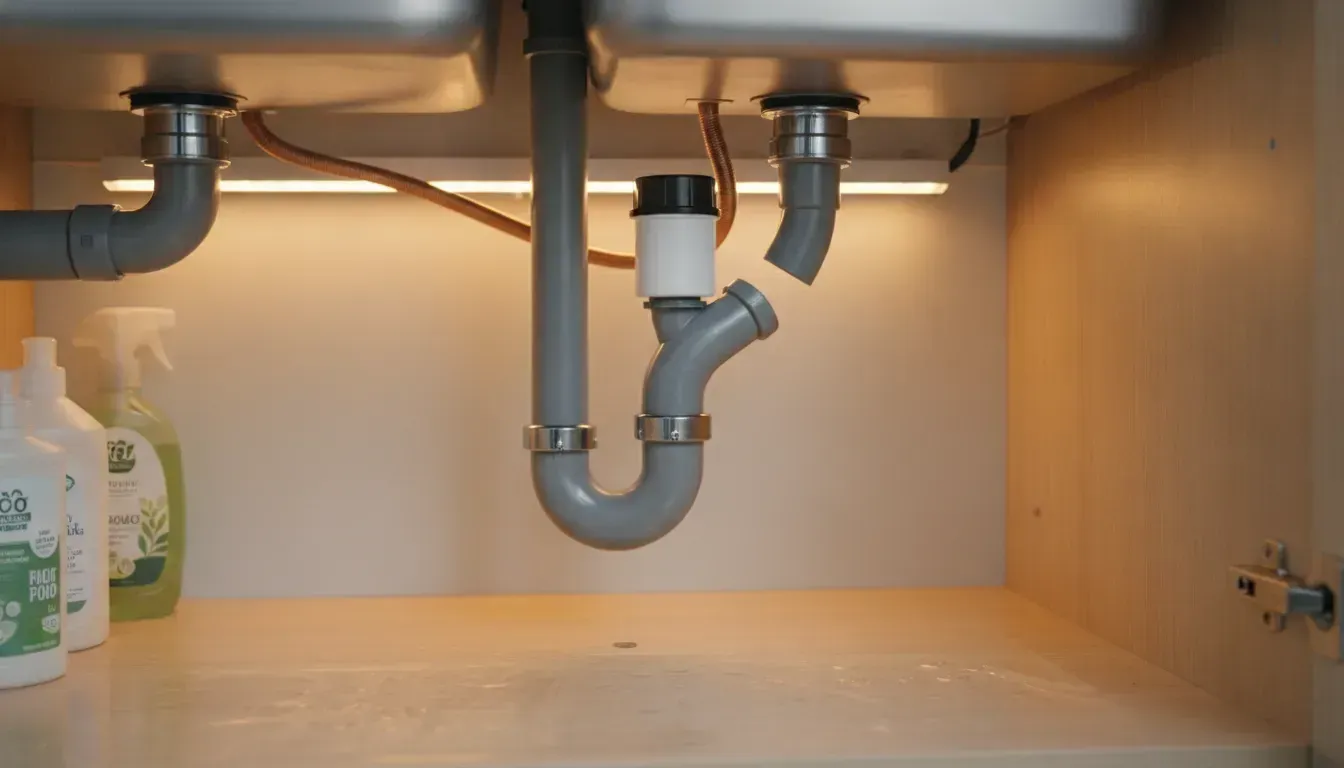
- Keep the valve easy to reach. The valve must stay in a place where you can easily reach it for service. If you install the valve behind a finished wall, you must use a vented wall box or an access panel. This lets the valve get fresh air while keeping it hidden from view.
- Follow maker rules. Always follow the maker's guide when you put the parts together. To help you with the work, you can read our step-by-step AAV installation guide. It has the tips you need to finish the job well.
Access and care
Basement bathrooms often have finished drywall that blocks plumbing. It is key to plan for long-term care before you seal the pipes behind the wall.
Air admittance valves have moving parts that can wear out over time. You should check the valve once a year to make sure it works. Placing it in a vented wall box makes it easy to replace when needed.
When You Cannot Use an AAV for Toilet Venting and Must Run a Stack
Using an air admittance valve for toilet venting can save work, but it is not always the right choice. Some plumbing setups still need a standard open vent pipe that goes through your roof. If you do not follow these rules, your system can fail, and an improper setup can lead to trap seal loss. You must check code-approved venting guidance to keep your home safe.
Local plumbing codes and state bans
Many states and cities do not permit these valves. You must check your local rules before you buy parts. For example, some states have strict laws that stop you from using them. In Massachusetts, you cannot use these valves without special permission from the board.
This rule is listed in the Massachusetts plumbing code. Even when local codes allow them, you must follow the manufacturer instructions and local plumbing rules to maintain compliance. Always check your local plumbing code to see what is legal in your town. If your local code bans these valves, you must install a classic stack through the roof.
High fixture load and heavy drain flow
Toilets displace a huge volume of water during a single flush. This action creates a strong rush of air and water in the drain pipes. Because of this high air displacement, using an air admittance valve for toilet venting is subject to strict rules. A single valve might not be able to vent a complex bathroom branch.
Sizing must account for the total Drainage Fixture Unit (DFU) load of your plumbing system. If your bathroom group exceeds the limit of a single valve, you may need a standard vent stack. An oversized group will cause slow draining and pull water out of the trap. Knowing the mechanics of an air admittance valve can help you prevent this issue.
Physical space limits and mechanical lifespan
There are also physical limits to where you can place these valves. You should not install them in plenum spaces unless the valve is listed for that use. This is because these spaces move air for heating and cooling, and a leak could let sewer gas spread. A standard roof vent is the safest choice for these locations.
Also, keep in mind that these valves have moving parts. These mechanical devices can wear out and will need to be replaced over time. Because they have a limited lifespan, you must install them where they are easy to reach. If you cannot provide clear access, you must run a standard vent stack through the roof.
Frequently Asked Questions
Can you install an air admittance valve horizontally?
You must install an air admittance valve in an upright, vertical spot. Most plumbing codes, such as the International Plumbing Code, need these valves to be within 15 degrees of vertical. Placing a valve on its side or at an angle will stop the seal from closing. This can let sewer gas leak into your home. As shown by Tuuber, a bad angle will make the valve fail.
Can you seal an air admittance valve inside a finished wall?
No, you should never seal an air admittance valve inside a solid wall. These valves have moving parts and need clean air to work. If you put a valve behind drywall, you must use a vented box with a grate. This grate lets fresh air in and allows you to reach the valve for quick service. Under the Tuuber guide rules, you must keep the valve easy to reach.
How long do air admittance valves last before needing replacement?
Air admittance valves can last a long time, but they do have a limited life. Since they are mechanical parts, they will in the end need replacement. You should inspect your valve once a year to look for dirt, blockages, or wear. If you hear gurgling sounds from your drain pipes, it may mean your valve is stuck shut. As stated by Tuuber, yearly checks help find valve failures before they cause leaks.
Can you use an air admittance valve for a toilet in Massachusetts?
No, not without special board approval. In the state of Massachusetts, you cannot use automatic vents or air admittance valves in any plumbing setup unless you get state permission first. This local rule is much stricter than national codes that allow these valves for home venting. Under Massachusetts Law, you must send a written request to the state board to use these valves.
Find the Right AAV for Your Toilet Venting Setup
Leaving your bathroom toilet poorly vented can lead to slow-draining bowls, loud gurgling noises, and toxic sewer gases leaking directly into your clean family home. Installing a dependable dual-seal air admittance valve today protects your family from bad odors and avoids the heavy cost of fixing water trap damage later. Getting this plumbing project finished right now ensures complete residential AAV code guide and gives you a fully functional bathroom without any further delay.
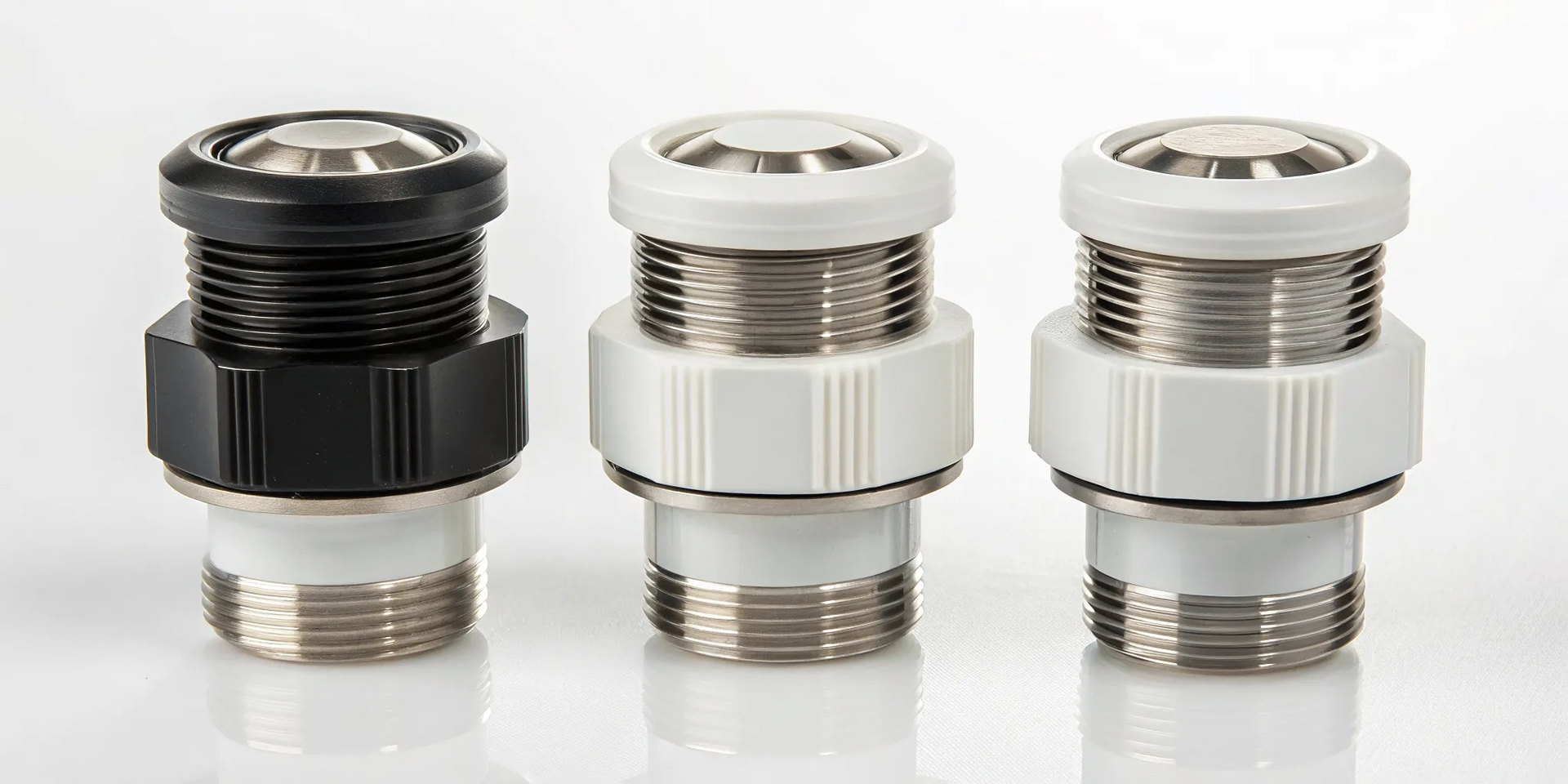
Browse our patented Dual-Seal 20 air admittance valves to find the right dual-seal air admittance valve for your exact toilet venting setup.

The body content of your post goes here. To edit this text, click on it and delete this default text and start typing your own or paste your own from a different source.